
Lieferung heute & morgen

Qualitätsgarantie

Willkommens-Angebote freischalten: KOSTENLOSE Lieferung | Bis zu 80 % RABATT | Kostenlose 30-Tage-JoyPlus-Testphase
App herunterladen
The selection of coconut milk in stores can be overwhelming. Different fat contents, origins, and packaging formats raise the question: which product is best suited for your planned dish? Whether you're preparing a creamy Thai curry, elevating a vegan dessert, or simply looking for a shelf-stable ingredient for your pantry, the right choice is crucial for the success of your coconut milk recipes.
This guide offers you a framework for finding the perfect coconut milk for your specific needs. We will introduce various options and explain their characteristics so you can make an informed decision.
To select the right product for your kitchen, a few objective criteria are helpful. Instead of being swayed by marketing claims, you can focus on the following features:
Fat content is one of the most important indicators of the consistency and flavour of coconut milk for cooking. Products can be broadly divided into two categories:
Coconut milk is available in various forms, each offering specific advantages:
A look at the label reveals the quality. A short ingredient list, consisting mainly of coconut extract and water, is often a good sign. Some products contain stabilisers (e.g., guar gum) to prevent the separation of fat and water. This is harmless, but purists often prefer products without additives. For health-conscious consumers, there is also organic coconut milk, which comes from certified organic farming. The origin, such as Thai coconut milk, can be an indicator of a specific flavour profile preferred for authentic Asian dishes.
Based on the criteria mentioned, we have compiled a selection of products suitable for different culinary projects.
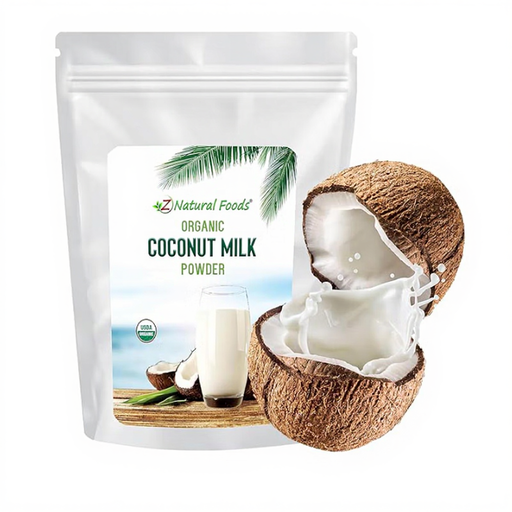
What makes this product stand out This coconut milk powder from MAGGI offers maximum flexibility and a long shelf life. It is made from fresh, ripe coconuts and can be mixed into a creamy or light coconut milk as needed. The 1 kg package is particularly suitable for the food service industry or for households where coconut milk is used regularly.
Advantages
Who it's for This product is ideal for home cooks and professionals who value a flexible and long-lasting ingredient. It's perfect for anyone who likes to control the creaminess of their dishes and wants to avoid food waste.
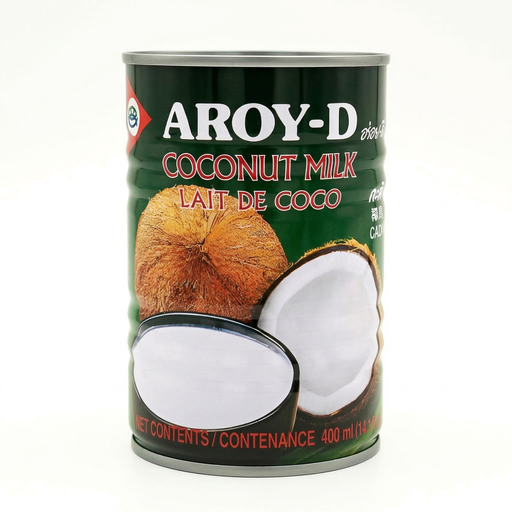
What makes this product stand out AROY-D coconut milk is specially designed for preparing desserts. With a high coconut extract content of at least 60%, it delivers a particularly rich and luxurious texture that enhances sweets, puddings, and drinks. As an authentic Thai coconut milk, it brings the taste of Southeast Asia directly to your kitchen.
Advantages
Who it's for Perfect for dessert lovers looking for an especially creamy and flavour-intensive vegan coconut milk. It is the right choice for preparing puddings, ice cream, or rich dessert sauces. Note: This product is only available for sale in France, Belgium, and Luxembourg.
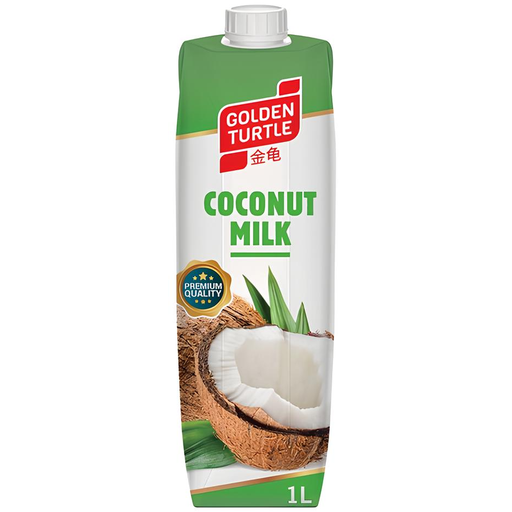
What makes this product stand out This coconut milk in a 1-litre Tetra Pak is tailored to the needs of frequent cooks and the food service industry. With a fat content of 17–19%, it offers the ideal creaminess for curries and other Asian dishes. The practical screw cap allows for easy portioning and resealing.
Advantages
Who it's for This product is aimed at anyone who regularly uses coconut milk for curry in larger quantities. It is an excellent choice for families, ambitious home cooks, and professional kitchens that value quality and practical handling.
If you are looking for a ready-to-drink version or another specialty, you may find the right product in our broader selection.
? Discover more coconut milk drinks and products here
1. What is the difference between coconut milk and coconut water? Coconut water is the clear liquid from the inside of young, green coconuts. It is low in fat and often consumed as a refreshing drink. Coconut milk, on the other hand, is made from the pressed flesh of ripe, brown coconuts. It is significantly thicker, higher in fat, and is primarily used for cooking and baking.
2. How do I store opened coconut milk? After opening, liquid coconut milk should be immediately transferred to a sealable, non-metallic container (e.g., glass or plastic). Stored in the refrigerator, it is typically good for 2–3 days. It is normal for the solid fat mass to separate from the watery phase; by gently heating and stirring, the two will recombine.
3. Can you use coconut milk as a milk substitute in coffee? Yes, full-fat coconut milk in particular can serve as a creamy, vegan substitute for milk or cream in coffee. It gives the coffee an exotic note. Be aware that it can sometimes separate when it comes into contact with hot, acidic liquid. Products specifically labelled as "Barista Edition" are often more stable.