
Lieferung heute & morgen

Qualitätsgarantie

Willkommens-Angebote freischalten: KOSTENLOSE Lieferung | Bis zu 80 % RABATT | Kostenlose 30-Tage-JoyPlus-Testphase
App herunterladen
Choosing the right coconut milk can make or break a recipe. But the supermarket aisle is filled with products whose labels often promise more than they deliver. From watery curries to flavourless desserts, many home cooks and even professional chefs fall into common traps. So, before you grab the next can or carton, it's crucial to know the key quality indicators.
This guide will help you separate marketing hype from fact. We'll show you the most common pitfalls when buying coconut milk and explain which parameters truly matter, so you can make the perfect choice for any dish—from an authentic Thai curry to a light smoothie.
Many products are not suitable for every purpose, even if the packaging suggests otherwise. Pay attention to these three points to avoid disappointment:
To find the right coconut milk for cooking, you should focus on objective criteria rather than marketing promises.
This is the most important indicator of flavour, texture, and intended use. The fat content determines how rich and creamy the coconut milk is.
The packaging affects not only handling but also shelf life and potentially the taste.
Instead of making a one-size-fits-all recommendation, we have selected products for specific user profiles.
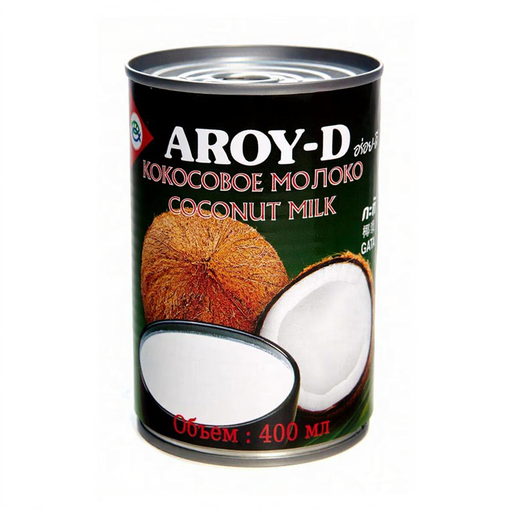
Why This Fits Their Persona: For cooks seeking the authentic, full-bodied flavour of Thai cuisine. The high fat content ensures a perfect, creamy consistency that won't "split" in a curry.
Sidesteps the "creamy" trap by delivering genuine high fat content (19%) and 70% coconut extract instead of relying on thickeners.
Very high creaminess for rich dishes. Short ingredient list for a pure coconut flavour.
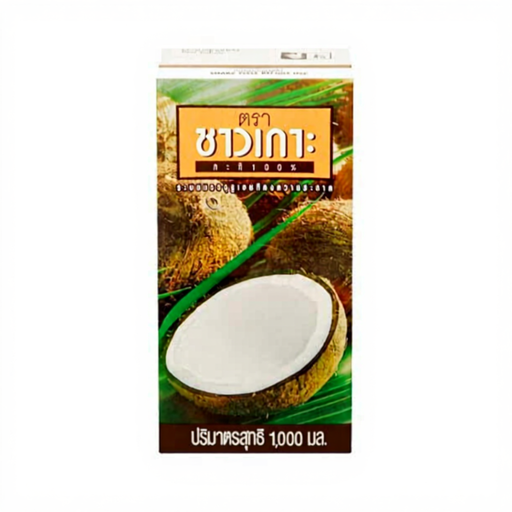
Why This Fits Their Persona: Ideal for home cooks who use coconut milk regularly and need a practical, resealable solution. The 1-litre carton is economical and versatile.
The Tetra Pak packaging prevents a metallic aftertaste and is easy to store. Its 18% fat content makes it a solid all-rounder, not a watery, low-fat version.
Practical 1-litre bulk size. Resealable and easy to portion. Versatile for curries, soups, and desserts.
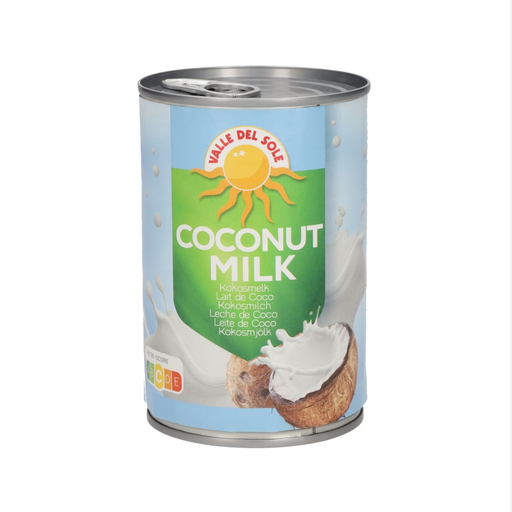
Why This Fits Their Persona: Perfect for health-conscious consumers looking for a low-fat, plant-based alternative for smoothies, cereals, or light soups without sacrificing coconut flavour.
Solves the "low-fat" dilemma by being clearly positioned for a specific purpose. It doesn't pretend to be a rich cooking coconut milk, but is an honest, light option.
Very low fat content of 6%. Ideal as a lower-calorie, dairy-free alternative in drinks and light dishes.
We have compiled a complete, up-to-date list of products that fully meet these strict selection criteria and German food regulations.
The separation of the solid coconut cream and the watery part is a natural process, especially at cooler temperatures. It is often a sign of quality, indicating minimal use of stabilisers and emulsifiers. Shake the coconut milk can vigorously before opening, or gently heat the contents in a pot and stir to create a homogeneous liquid again.
In most cases, this is not recommended. Cooking coconut milk from a can or Tetra Pak has a high fat (10–22%) and coconut extract content, which is essential for the creamy consistency of sauces and soups. Coconut drinks from the refrigerated section are primarily intended for drinking. They are heavily diluted with water (often only 1–5% fat), frequently sweetened, and are not suitable for achieving the desired richness in cooking.
Always transfer leftovers from an opened can into a clean, airtight container made of glass or plastic. Stored in the refrigerator, the coconut milk should be used within 2 to 3 days. Coconut milk from a Tetra Pak can be resealed directly in the carton and also kept in the refrigerator for 2 to 3 days.