
Lieferung heute & morgen

Qualitätsgarantie

Willkommens-Angebote freischalten: KOSTENLOSE Lieferung | Bis zu 80 % RABATT | Kostenlose 30-Tage-JoyPlus-Testphase
App herunterladen
Whether you're preparing authentic Asian dishes or seeking a plant-based cream alternative, the supermarket aisle can be overwhelming. Choosing the right coconut milk is more complicated than it seems. The wrong product not only leads to disappointing culinary results but also to unnecessary expense. This guide will help you avoid the common pitfalls and make an informed decision.
Many products on the market take advantage of ambiguous labelling. Before you make a decision, you should be aware of these three common issues that often lead to a poor purchase.
To find the right coconut milk for your needs, you should focus on two objective parameters rather than relying on marketing claims.
This is the most important indicator of creaminess and flavour. The fat content determines its suitability for different dishes.
A short ingredient list is often a sign of quality. Ideally, the product consists of only coconut extract and water. Products labelled as organic coconut milk also avoid the use of pesticides in cultivation.
Additives like guar gum (E412) or xanthan gum (E415) are thickeners and stabilisers. They prevent the coconut fat from separating and rising to the top. This is a matter of personal preference. A solid layer of fat in the can is not a defect but a natural process that can be reversed by shaking vigorously or gently heating.
Instead of making a blanket recommendation, we have matched products to specific use cases and user profiles.
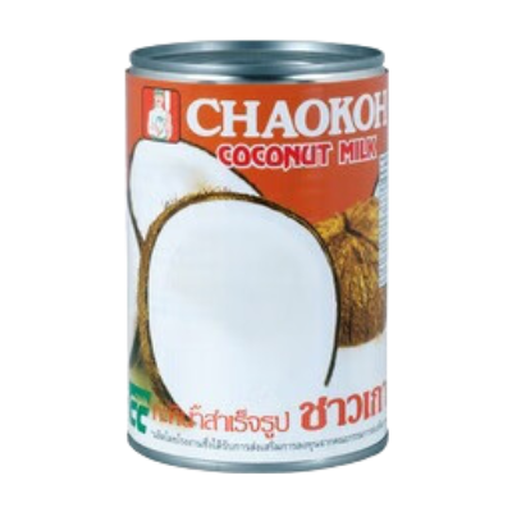
Why This Fits Their Persona: Anyone aiming for the full, creamy flavour of a Thai curry needs a high-fat coconut milk. This product is an established standard in Asian cuisine.
With a fat content of 18%, this product bypasses the "fat content trap," delivering the necessary richness that light versions can't provide.
High creaminess for authentic sauces. The ingredient list is short and functional, containing coconut extract, water, and citric acid as an antioxidant.
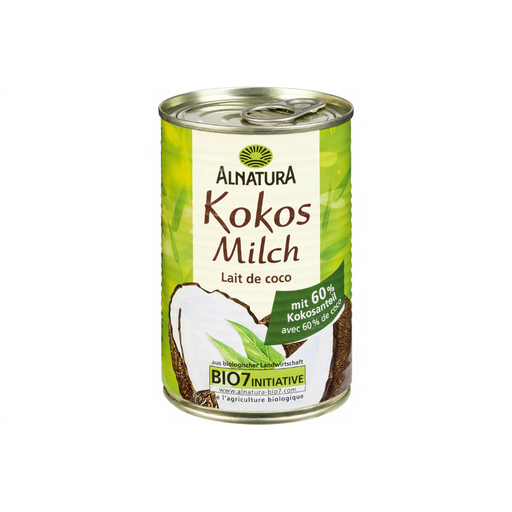
Why This Fits Their Persona: For consumers who value organic farming and a minimal ingredient list. Ideal for anyone who avoids additives and seeks a pure coconut flavour.
This product consistently avoids the "additive jungle." The ingredient list consists solely of organic coconut (60%) and water, with no stabilisers.
Very high fat content of 22% for maximum creaminess. The organic certification guarantees that no chemical-synthetic pesticides were used in cultivation.
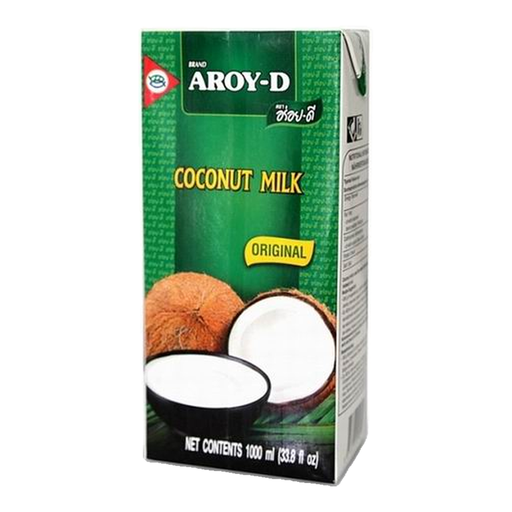
Why This Fits Their Persona: Ideal for those who use coconut milk regularly and prefer practical, resealable packaging. The bulk size is often more economical.
The resealable Tetra Pak solves the "impractical packaging" problem. No need to transfer from a can, and it allows for easy storage in the refrigerator.
The 18% fat content makes it a versatile all-rounder for curries and soups. The 1-litre carton is practical for larger quantities or regular use.
We have compiled a complete, up-to-date list of products that fully meet these strict selection criteria and food safety standards.
The main difference lies in the ratio of coconut extract to water and the resulting fat content. Coconut cream contains a higher proportion of coconut extract and typically has a fat content of over 20%. It is thicker and richer. Coconut milk is more liquid and has a lower fat content, which can vary significantly between products.
This is a natural process, especially in cooler temperatures. The coconut fat separates from the water and forms a solid layer on top. This is often a sign that few or no stabilisers have been used. Before use, shake the can vigorously or gently heat the contents in a pot over low heat, stirring to restore its creamy consistency.
After opening, coconut milk, especially from a coconut milk can, should be transferred to a clean, airtight, non-metallic container (e.g., a glass jar). When stored in the refrigerator, it generally lasts for 3 to 7 days. Always follow the specific instructions from the manufacturer on the packaging. Products in a Tetra Pak can be stored directly in their original carton in the fridge.