
Lieferung heute & morgen

Qualitätsgarantie

Willkommens-Angebote freischalten: KOSTENLOSE Lieferung | Bis zu 80 % RABATT | Kostenlose 30-Tage-JoyPlus-Testphase
App herunterladen
The selection of coconut milk on the shelf can be overwhelming. Whether for a creamy curry, a frothy coffee, or as a vegan milk alternative, the differences in fat content, ingredients, and consistency are crucial for the success of your culinary creation. This guide will help you understand the different options and make an informed decision on which coconut milk is best for your specific needs.
To buy the right coconut milk, a few objective criteria are helpful. Instead of being swayed by packaging design, you can make your choice based on facts.
Fat content is one of the most important indicators for how to use coconut milk. It significantly influences the texture and mouthfeel of your dishes.
A look at the ingredients reveals the product's purity.
Not every coconut milk is equally suitable for every purpose.
Based on these criteria, we have compiled a selection of products that cover a range of needs.
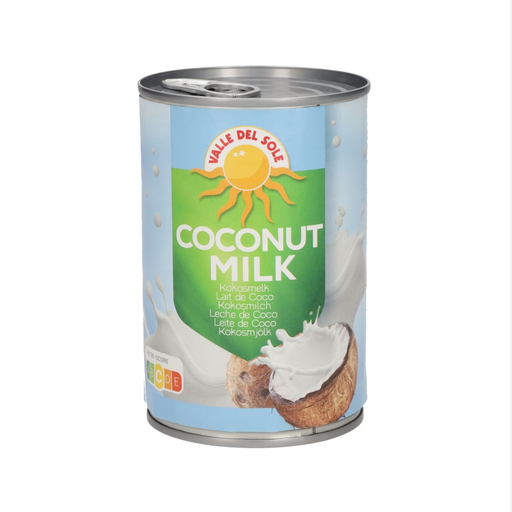
Why it stands out: With a fat content of just 6%, this coconut milk is a lighter alternative for daily use. It's great for adding a mild coconut note to dishes without making them too heavy.
Key Features:
Best for: Health-conscious consumers looking for a lower-calorie option for smoothies, cereals, light soups, or for thinning out richer sauces.
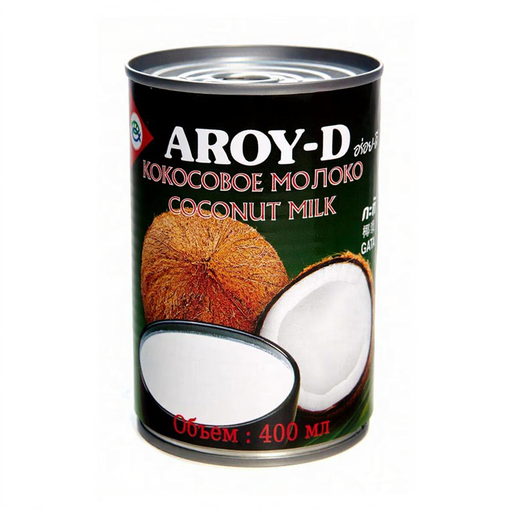
Why it stands out: With its high fat content of 19% and a 70% coconut extract content, this coconut milk is a favourite for authentic Asian cuisine. It delivers the necessary richness and creaminess for curries and stews.
Key Features:
Best for: Home cooks who value an exceptionally creamy and rich base for their Thai or Asian dishes and are looking for an authentic coconut milk for cooking.
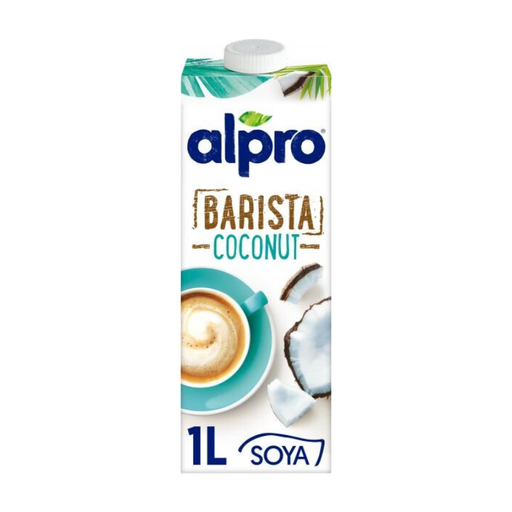
Why it stands out: As a specially developed barista coconut milk, this product is designed to perform in coffee drinks. The formula, with pea protein and stabilisers, allows for good frothing and prevents curdling in hot beverages.
Key Features:
Best for: Coffee lovers seeking a plant-based, frothy alternative for their cappuccino or iced coffee. Also for anyone who prefers a ready-to-drink vegan milk alternative with a coconut flavour.
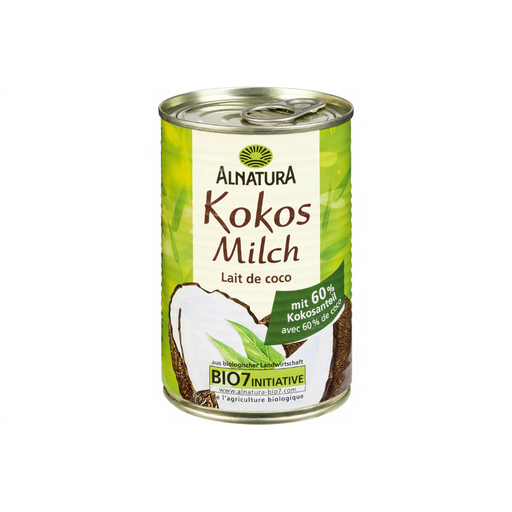
Why it stands out: This organic coconut milk is completely free of additives. With 60% coconut content and a fat content of 22%, it offers a natural and rich base for a variety of dishes.
Key Features:
Best for: Consumers who prefer a pure, natural product without stabilisers or emulsifiers and want to use a high-quality organic coconut milk for preparing curries, soups, desserts, or cocktails.
The products featured here already cover a wide spectrum. However, if you are looking for other varieties, package sizes, or specific brands, you will find an even larger selection in our full category.
Discover the entire range of coconut milk here
No, not all coconut milk froths well. Standard canned coconut milk often has too high a fat content and lacks the proteins necessary for a stable foam. For best results, you should use a special barista coconut milk whose formula is optimised for this purpose.
Canned coconut milk is generally thicker, has a higher fat content, and is primarily intended for cooking and baking. Coconut milk in a carton is usually designed as a drinking milk or milk alternative. It is thinner, has a lower fat content, and is often fortified with vitamins and minerals.
Opened coconut milk should never be stored in the metal can. Transfer the leftovers to an airtight container made of glass or plastic and store it in the refrigerator. The coconut milk will typically last for another 2 to 3 days. Please refer to the manufacturer's specific instructions on the packaging.