
Lieferung heute & morgen

Qualitätsgarantie

Willkommens-Angebote freischalten: KOSTENLOSE Lieferung | Bis zu 80 % RABATT | Kostenlose 30-Tage-JoyPlus-Testphase
App herunterladen
When you're shopping for coconut milk, you face a vast selection: from cans and Tetra Paks to powders. Making the right choice is crucial, as it significantly impacts the flavour and consistency of your dishes. However, not every product delivers on its promise. Many shoppers fall into traps that lead to disappointing culinary results or unnecessary food waste. This guide will help you identify the most common pitfalls and make an informed decision.
To avoid the traps mentioned above, you should check three core parameters before buying. These will give you a reliable indication of the product's quality and suitability for your intended use.
The fat content determines the primary use for coconut milk. Pay attention to the following distinctions:
High-quality coconut milk requires very few ingredients. Ideally, the list should only contain coconut extract and water. Small amounts of stabilisers like guar gum (E 412) or xanthan gum (E 415) are acceptable and widely used to prevent the separation of fat and water. However, be wary of products with added sugar, maltodextrin, or artificial flavours, unless you are specifically looking for a sweetened product.
Each packaging type has specific pros and cons that suit different needs:
Based on the criteria above, we have put together a selection of products suitable for different user profiles.
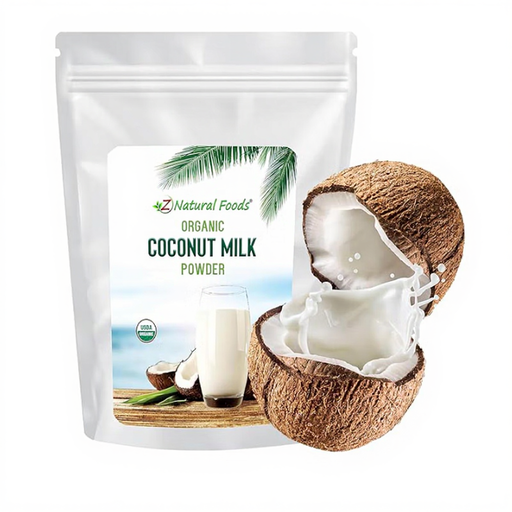
Why it's a great fit: Ideal for those who cook regularly and value flexibility. This powder can be mixed to create a light coconut milk for drinks or a rich cream for curries, depending on your needs. The bulk pack is also very economical.
The powder format completely solves the "Packaging Trap," as you only mix the amount you need, and the rest has a long shelf life. You control the concentration, thereby avoiding the "Fat Content Trap."
Maximum flexibility in dosage and consistency; very long shelf life for easy pantry storage.
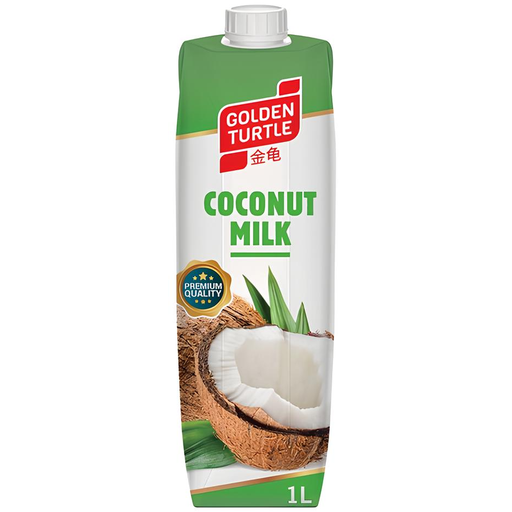
Why it's a great fit: For lovers of authentic Asian cuisine who need an uncompromisingly creamy base. The high fat content ensures a perfect result in curries and soups.
The clearly declared high fat content of 17–19% prevents the "Fat Content Trap." The ingredients list is minimalist (coconut extract, water), avoiding the "Additive Trap."
High fat content for maximum creaminess; the resealable Tetra Pak makes it easy to handle.
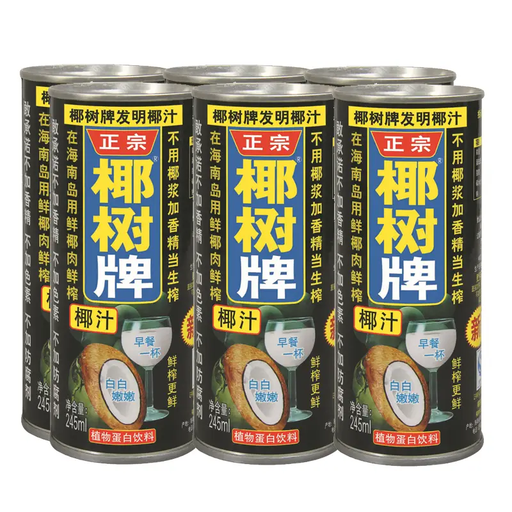
Why it's a great fit: Perfect for those who only cook occasionally or need small portions. The 6-pack of 245ml cans ensures you always have a fresh portion on hand without creating leftovers.
The small portion sizes are the direct answer to the "Packaging Trap." They effectively prevent food waste, as one can is usually sufficient for a single dish.
Convenient portion sizes for less waste; the high fat content of 20% ensures a creamy result.
Coconut milk isn't always the ingredient you need. If you're looking for a classic cooking cream or a lactose-free cream, you can find suitable products as well. The Jeden Tag Lactose-Free Cream 30% is an excellent option for people with lactose intolerance who don't want to miss out on the full flavour of cream. For purely plant-based dishes without a coconut taste, Alpro Soya Cuisine is a versatile vegan cooking cream.
When baking cakes, the stability of the whipped cream is crucial. A cream stabilizer like RUF Sahnefest helps the cream hold its shape, even after several hours.
We've compiled a complete, up-to-date list of products that meet these strict selection criteria.
1. How long does opened coconut milk last? Liquid coconut milk from cans or Tetra Paks should be transferred to a sealable, non-metallic container after opening and stored in the refrigerator. It will typically last for 2 to 3 days. Coconut milk powder, on the other hand, can be stored for many months in a dry place. Always follow the manufacturer's instructions on the packaging.
2. Can you use any coconut milk for curries? Theoretically, yes, but the result will vary greatly. For an authentic, creamy curry, a coconut milk with a fat content of at least 17% is recommended. Light versions will produce a more watery result and are better suited for soups or drinks where a lighter consistency is desired.
3. What is the difference between coconut milk and a coconut drink? The main difference lies in the fat content and intended use. Coconut milk (from a can or carton) is a concentrated product made from coconut flesh and water, primarily used for cooking and baking. Coconut drinks (often found next to oat or soy drinks in the refrigerated section) are more diluted with water, have a lower fat content, and are designed as a ready-to-drink milk alternative.