
Lieferung heute & morgen

Qualitätsgarantie

Willkommens-Angebote freischalten: KOSTENLOSE Lieferung | Bis zu 80 % RABATT | Kostenlose 30-Tage-JoyPlus-Testphase
App herunterladen
For anyone looking to create authentic Asian dishes or find a plant-based alternative to cream, coconut milk is essential. However, grabbing a can from the supermarket shelf can quickly lead to disappointment. A watery curry, a grainy sauce, or an unwanted aftertaste are often the results of choosing the wrong product. So, before you buy coconut milk again, it's helpful to understand the crucial differences, which are often hidden in the fine print.
Many consumers unknowingly make mistakes that compromise their cooking. Here are the three most common pitfalls:
To avoid these issues, a closer look at the fundamental product features is essential.
Choosing the right coconut milk depends on its intended use. The following three parameters will help you make an informed decision and find the right coconut milk for cooking or other purposes.
The most important factor for consistency and flavour is the fat content, which is directly linked to the percentage of coconut extract.
The ingredients list reveals whether you are holding a pure, natural product or a stabilised version.
The classic canned coconut milk is widespread, but modern alternatives offer specific advantages.
Here are some recommendations tailored to different needs and cooking styles.
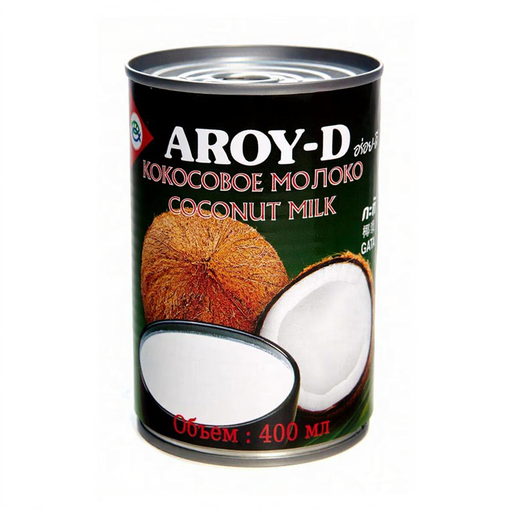
Why it's a great fit: Ideal for home cooks seeking the unadulterated flavour of a rich, creamy Thai coconut milk. The high fat content ensures a luxurious texture in curries and soups.
This product has a high fat content of 19%, eliminating the risk of a watery curry. The two-ingredient version (coconut extract, water) bypasses the pitfall of unwanted additives.
High coconut extract content (70%) for maximum creaminess and an intense, natural coconut flavour without thickeners.
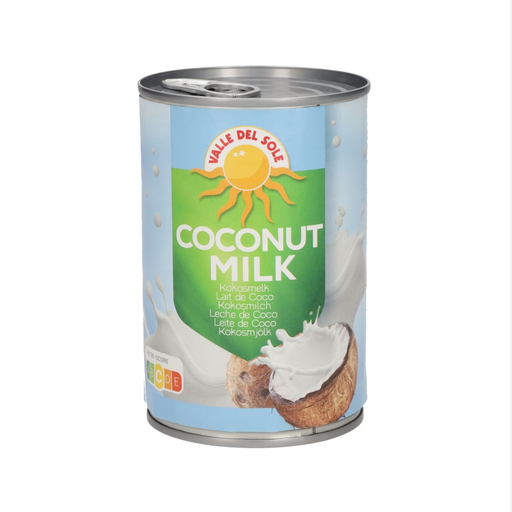
Why it's a great fit: Perfect for health-conscious consumers or vegans who need a lighter, lower-calorie alternative to cream or full-fat coconut milk for soups, desserts, or drinks.
This product specifically solves the "wrong fat content" problem by being a deliberately lighter option with 6% fat. It is clearly positioned as such, preventing mistaken purchases for rich dishes.
Reduced fat and calorie content (60 kcal per 100 g) makes it a versatile, dairy-free ingredient for light cuisine without sacrificing coconut flavour.
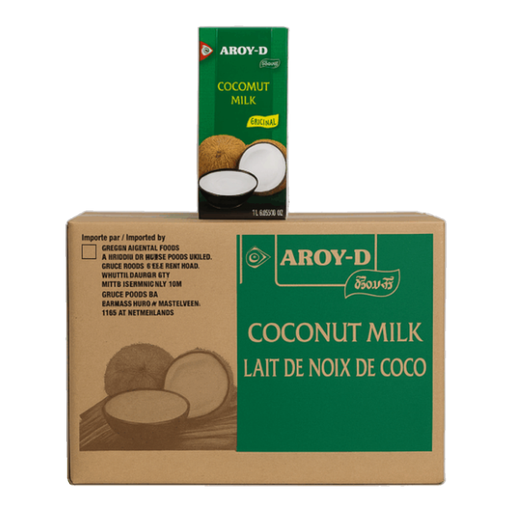
Why it's a great fit: This bulk pack is ideal for restaurants, catering companies, or families who regularly cook large quantities. The resealable carton is practical and hygienic.
Solves the "wrong quantity" problem for bulk users. Instead of buying many small cans, the 12x1L case offers an economical and efficient solution for stocking up.
Consistent, reliable quality in a large, storable quantity. UHT processing ensures a fresh taste without preservatives.
We have compiled a complete, up-to-date list of products that fully meet these strict selection criteria and comply with German food regulations.
The separation into a solid, creamy layer on top and a watery layer below is a natural process, especially at cooler temperatures. It is often a sign that the product contains no artificial stabilisers or emulsifiers. To re-homogenise the coconut milk, you can simply pour the contents of the can into a bowl and stir well, or place the closed can in warm water for a few minutes and then shake it.
Yes, the contents are suitable for the same purposes. Coconut milk in a carton is typically UHT (ultra-high temperature) processed, which gives it a long shelf life at room temperature. The consistency can sometimes be slightly more uniform than in canned products without stabilisers. Both packaging types are equally suitable for cooking, baking, and beverages.
Once opened, coconut milk should be refrigerated immediately. It is recommended to transfer the remaining contents from the metal can into a sealable, non-metallic container (e.g., glass or plastic). Stored in the refrigerator, it should be consumed within 2 to 3 days, as it quickly loses freshness and can absorb other odours. Always follow the manufacturer's instructions on the packaging.