
Lieferung heute & morgen

Qualitätsgarantie

Willkommens-Angebote freischalten: KOSTENLOSE Lieferung | Bis zu 80 % RABATT | Kostenlose 30-Tage-JoyPlus-Testphase
App herunterladen
If you want to buy coconut milk, you will find a wide range of tins, cartons and small portion packs online. The differences are not limited to price: fat content, coconut content, consistency, packaging type and shelf life after opening all affect whether a product is suitable for curry, desserts, drinks or your store cupboard.
Three common shopping traps can lead to the wrong purchase:
For a creamy curry or rich soup, products with around 17 to 19% fat are often suitable. In the product information available here, Aroy-D Coconut Milk contains 19% fat, Chaokoh 18% and Valle Del Sole 17% fat per 100 ml.
A higher fat content can contribute to a fuller consistency, but it is not necessary for every recipe. For drinks, lighter soups or lower-calorie recipes, light coconut milk with 9% fat may be an alternative. According to the product information, Renuka Coconut Milk Light contains 9 g of fat per 100 ml. The lower fat content comes with a different coconut content and a different ingredients list.
Coconut milk usually consists of coconut extract and water. Depending on the product, thickeners, emulsifiers or stabilisers may also be added. Examples from the selection include:
If you prefer a short ingredients list, check the full information on the product page or packaging. Coconut is required to be labelled as an allergen in the EU, even though many products contain none of the other 14 major allergens. If you have an intolerance, the specific allergen declaration is the decisive factor.
400 ml coconut milk is suitable for many standard recipes, such as a family-sized curry or soup. Small packs of 150 to 250 ml are useful when you only want to enrich a sauce, dessert or smoothie.
The stated shelf life after opening varies. Several products specify two to three days in the fridge. For this reason, pack size should not be chosen solely according to the price per litre.
The following products meet different requirements: small quantities, organic options, high fat content and large packs for frequent cooking.
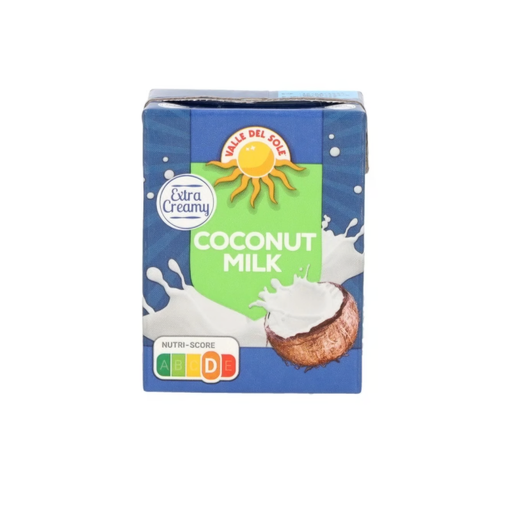
Why this product suits the profile: The 200 ml pack is suitable for trying out recipes, individual portions and households that do not use coconut milk regularly. According to the product information, it is vegetarian and vegan.
The small quantity reduces the risk of not using up a large opened pack in time. The stated fat content of 17% makes it easier to choose suitable recipes.
200 ml contents, 17 g of fat per 100 ml and, according to the ingredients information, 99.8% coconut milk made from coconut and water.
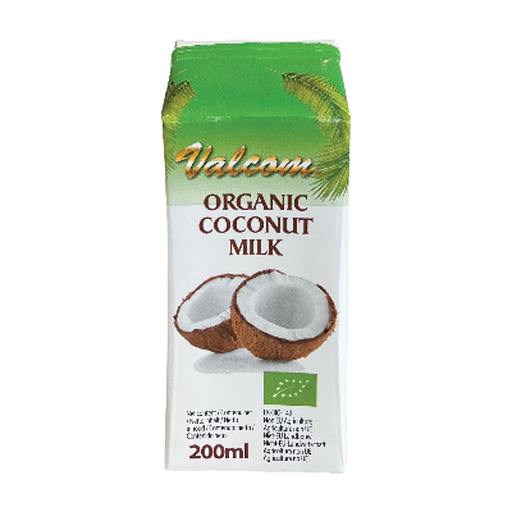
Why this product suits the profile: Its organic certification and compact pack size appeal to buyers who care about provenance but do not want to store a large quantity.
The ingredients list states 68% coconut extract and guar gum. This provides a clear, factual context for the advertised creamy consistency.
Organic coconut milk with 17.4 g of fat per 100 ml; according to the product information, no declared allergens apart from coconut, which must be labelled.
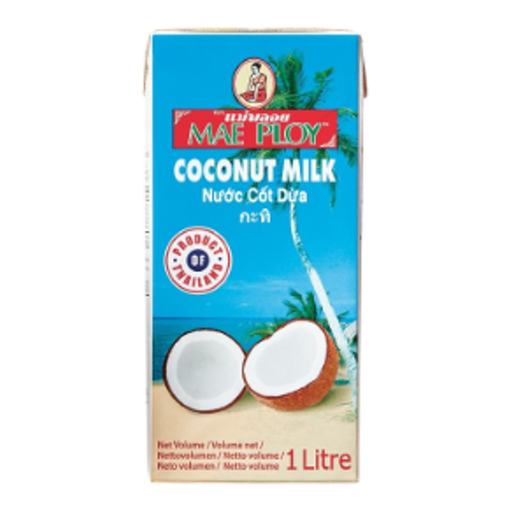
Why this product suits the profile: The 1-litre pack is aimed at households, home cooks and professional kitchens that regularly need coconut milk for curries, soups, desserts or drinks.
UHT processing and unopened storage at room temperature suit planned cupboard storage. After opening, follow the refrigeration and consumption instructions.
1 litre of contents, 19 g of fat per 100 ml and, according to the product information, 70% coconut extract; made in Thailand.
We have put together a complete, regularly updated list of products that fully meet these strict selection criteria and the safety regulations applicable in the EU.
Before opening, coconut milk should be stored in a dry, cool place away from direct sunlight. Natural separation or solidification can occur at cool temperatures. Shaking, stirring or gently warming the product can help restore an even consistency.
When using coconut milk for cooking:
If you are looking for Thai coconut milk for curry, compare the fat content, coconut content and preferred portion size above all. For desserts or drinks, a smaller pack or a product with a lower fat content may also be sufficient.
Depending on the product, manufacturers usually state two to three days in the fridge. The specific information on the tin, carton or product page is decisive. An opened pack should be sealed and should not be stored in the opened tin.
Both types of packaging have practical advantages. Tins are widely used for cupboard storage and smaller quantities, while Tetra Paks are easy to pour and can save space when buying larger packs. The decisive factors are the contents, fat content, coconut content and storage instructions.
Coconut milk is often suitable for a vegan diet. However, additives vary from product to product. Some varieties contain only coconut extract and water, while others also contain thickeners, emulsifiers or stabilisers. The ingredients list is the most reliable guide.