
Lieferung heute & morgen

Qualitätsgarantie

Willkommens-Angebote freischalten: KOSTENLOSE Lieferung | Bis zu 80 % RABATT | Kostenlose 30-Tage-JoyPlus-Testphase
App herunterladen
The popularity of Asian desserts is steadily growing, and Coconut Mochi are often in the spotlight. These small delicacies, known for their unique, soft and chewy texture and sweet flavor, come in many different varieties. But the selection can be overwhelming: should you choose a refreshing coconut mochi ice cream, traditional cook-at-home coconut sticky rice balls, or a convenient on-the-go snack?
As a Joybuy Product Recommendation Officer, my job is to provide you with clear guidance. This article introduces different types of coconut mochi and helps you find the right product for your taste and occasion, based on objective product features.
To make the right choice, it helps to understand a few fundamental differences between the products.
The form in which you buy Coconut Mochi largely determines its intended use.
The appeal of mochi lies in the combination of its chewy glutinous rice shell and the filling. For mochi with coconut filling, there are several variations. Some products contain a creamy filling based on milk or vegetable fat, while others use a firmer paste made from shredded coconut and sugar. The texture of the outer rice cake can also vary, from very soft to firmer and extra chewy.
It's always wise to check the ingredients list and nutritional information. Pay attention to the type of fats used and the sugar content. The allergen information is especially important. Many mochi products may contain traces of wheat, soy, milk, peanuts, or tree nuts, even if they are not a main ingredient in the recipe.
Here is a selection of different coconut mochi products that cater to various preferences and uses.
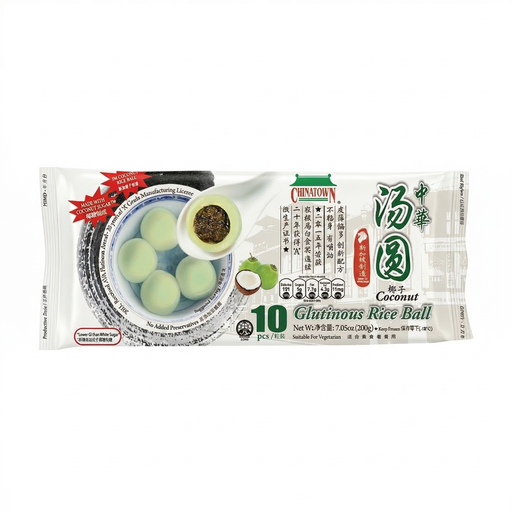
What makes it special: This product follows the traditional preparation method for Tangyuan. The frozen glutinous rice balls become soft after boiling and reveal a sweet filling of shredded coconut. They offer an authentic experience, just like classic Chinese desserts.
Pros:
Who it's for: For lovers of traditional Asian desserts who appreciate the preparation process and want to enjoy a warm, comforting dish. Ideal for anyone specifically looking to buy Tangyuan and prepare it at home.
View Product: China Town Glutinous Rice Ball
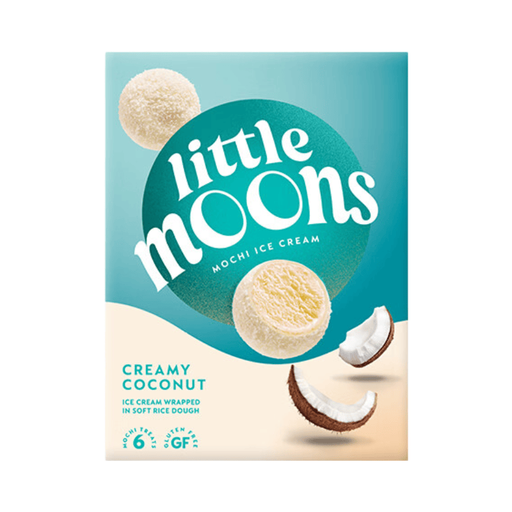
What makes it special: Little Moons combines two popular dessert components: creamy coconut ice cream and a delicate mochi dough casing. This fusion makes it a modern and internationally renowned example of Japanese sweets.
Pros:
Who it's for: For anyone looking for a simple and refreshing dessert. Especially appealing to ice cream fans and those curious about modern takes on coconut mochi ice cream.
View Product: Little Moons Mochi Ice Cream
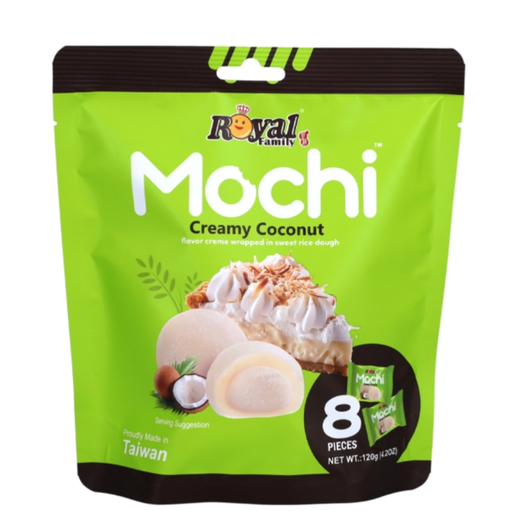
What makes it special: This product is a shelf-stable coconut rice cake snack stored at room temperature. The soft glutinous rice shell encloses a smooth, creamy coconut-flavored filling. Since no preparation is needed, it offers maximum convenience.
Pros:
Who it's for: For people with an active lifestyle looking for a simple and delicious snack. It's a great choice for a lunchbox or as a sweet reward that requires no effort.
View Product: Royal Family Mochi - Creamy Coconut
The world of coconut desserts is diverse and extends far beyond mochi. From coconut milk pudding and coconut jelly to pastries, there are countless other specialities to discover. If you want to expand your repertoire of sweet treats, you'll find a wider selection in our category.
Discover more coconut desserts here
Although both are made from glutinous rice flour, there are cultural and culinary differences. Mochi is a term strongly associated with Japanese cuisine and covers a wide range of rice cakes that can be baked, grilled, or eaten fresh. Tangyuan are specifically Chinese glutinous rice balls that typically have a filling, are boiled in water, and are often served in a sweet soup.
Storage depends on the type of product. Mochi ice cream and uncooked sticky rice balls must be stored in the freezer at -18°C or colder. Shelf-stable mochi snacks, like those from Royal Family, should be kept in a cool, dry place at room temperature and consumed promptly after opening.
The main ingredient, glutinous rice flour, is naturally gluten-free. However, some products may contain additional ingredients like wheat starch or be manufactured in facilities that also process gluten-containing products. Therefore, individuals with celiac disease or a severe gluten intolerance should always check the allergen information on the packaging carefully.