
Lieferung heute & morgen

Qualitätsgarantie

Willkommens-Angebote freischalten: KOSTENLOSE Lieferung | Bis zu 80 % RABATT | Kostenlose 30-Tage-JoyPlus-Testphase
App herunterladen
As a Joybuy Product Recommendation Officer, I see every day just how vast the selection of coconut water has become. However, not every product that promises naturalness actually delivers on that promise. Many consumers are unknowingly paying for hidden sugar or products made from concentrate. This guide will help you read labels correctly and make an informed decision that suits your needs.
The most common pitfalls when buying coconut water are:
To avoid falling into these traps, you should check three key aspects before making a purchase. These parameters will help you objectively assess the quality and find the right product for your purpose.
The most important indicator of quality is a short and clear ingredients list.
The terms are not always clearly defined, but there is a general tendency:
For athletes and health-conscious individuals, coconut water is interesting as a natural electrolyte drink. The key to this is the naturally occurring minerals.
Based on these objective criteria, we have compiled a few products for different needs and preferences.
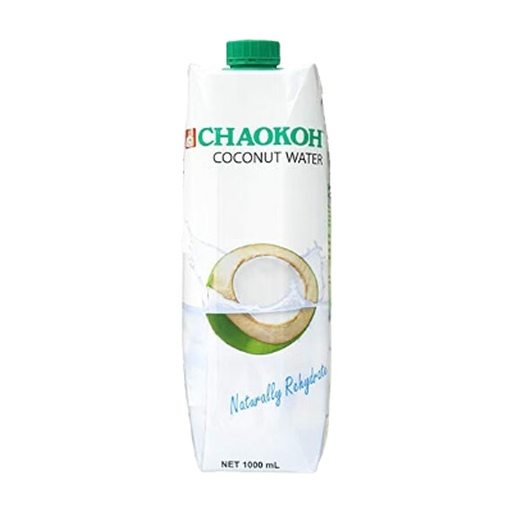
Why This Fits Their Persona: Ideal for anyone seeking a pure, unadulterated product for hydration. Perfect after sports or as a daily refreshment, without any additives.
The ingredients list consists of just one item: Coconut Water (100%). This bypasses the trap of hidden sugar or the use of concentrate.
According to the manufacturer, it naturally contains essential electrolytes like potassium (149 mg/100ml) and magnesium. The 1L coconut water pack is convenient for stocking up at home.
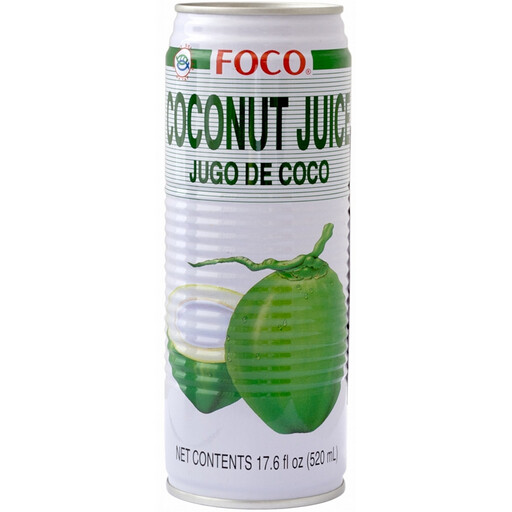
Why This Fits Their Persona: For those looking for more than just a drink. The included coconut pieces provide an additional textural experience, making the coconut juice a satisfying refreshment.
The product is transparently labelled as "Coconut Juice" and lists "Coconut Meat" in the ingredients. It doesn't create the false impression of being pure coconut water.
Offers an authentic, tropical taste experience with a bit of a bite. According to the manufacturer, the fruit content is 80% fresh coconut juice.
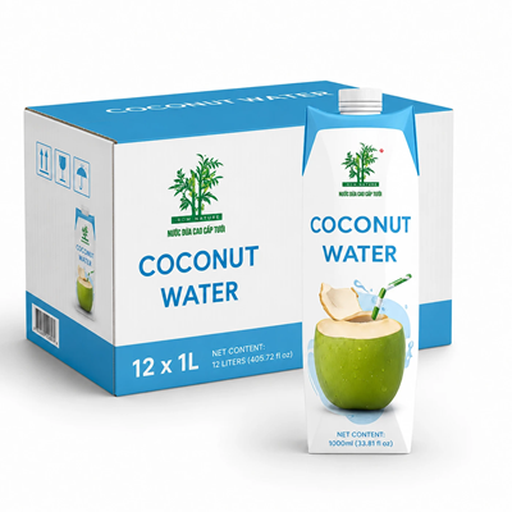
Why This Fits Their Persona: Ideal for families or individuals who regularly consume coconut water and value great value for money without compromising on quality.
Even in a bulk package, the quality remains high: it is 100% pure coconut water with no added sugar. So you're stocking up on a high-quality natural product, not a sugary soft drink.
Buying the 12-pack case significantly lowers the price per litre. The Tetra Paks are space-saving and have a long shelf life, which simplifies stocking up.
We have compiled a complete, up-to-date list of products that fully meet these strict selection criteria and German regulations.
Coconut water is the clear, watery liquid from the inside of young, green coconuts. It is naturally low in fat. Coconut milk, on the other hand, is made from the pressed white flesh of mature coconuts and has a much higher fat content and a creamy consistency.
Once opened, coconut water should be stored in the refrigerator. Most manufacturers recommend consuming it within 24 hours to 3 days, as it quickly loses its freshness and can spoil. Always follow the instructions on the packaging.
Pure coconut water can be a good natural alternative to traditional sports drinks, especially for rehydration after moderate exercise. It provides potassium and other electrolytes. However, for very intense and prolonged training, its sodium content may be lower compared to specially formulated isotonic drinks. For most recreational athletes, it is an excellent choice.