
Lieferung heute & morgen

Qualitätsgarantie

Willkommens-Angebote freischalten: KOSTENLOSE Lieferung | Bis zu 80 % RABATT | Kostenlose 30-Tage-JoyPlus-Testphase
App herunterladen
As a Joybuy Product Recommendation Officer, I see shelves filling up with coconut water every day. But not every product promising a tropical vibe is a good choice. Many consumers unknowingly fall into traps that disappoint not only their wallets but also their expectations for a natural beverage. Before you buy coconut water again, you should be aware of the typical marketing tricks and hidden downsides.
Two of the most common pitfalls are:
To make an informed decision, it's crucial to examine product labels carefully.
To avoid falling for empty promises, you should check three core parameters. These will help you objectively assess the quality of a coconut water product.
The most important indicator of quality is the ingredients list. Look for products whose only ingredient is "100% coconut water". This signals that you're getting pure coconut water with no sugar or other additives.
sugar, cane sugar, or fructose syrup. These indicate a sweetened product that contains more calories and masks the natural, slightly nutty taste of coconut water.The processing method has a significant impact on the taste.
Most shelf-stable coconut water products are UHT-treated (ultra-high temperature) to make them sterile and storable without refrigeration. This is a standard procedure and does not significantly affect the product's basic properties.
Many athletes and health-conscious individuals value coconut water as an isotonic drink because it naturally contains minerals like potassium. An electrolyte drink helps regulate the body's fluid and mineral balance, especially after exercise. The electrolyte content can vary depending on the origin and variety of the coconuts. Some manufacturers list the potassium content per 100 ml on the packaging, which can be a useful benchmark for comparison.
Instead of making a one-size-fits-all recommendation, we've selected products for different needs and preferences.
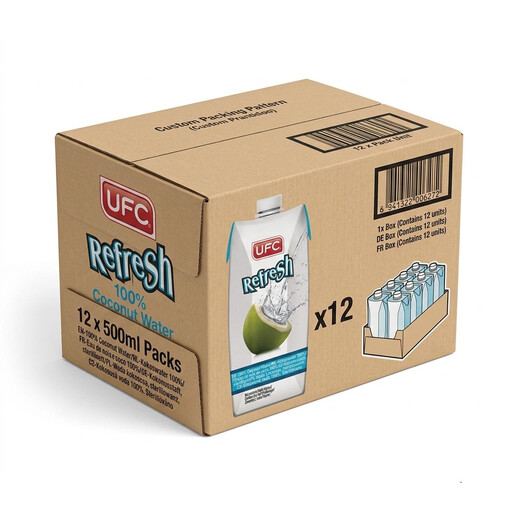
Why This Fits Their Persona: Ideal for anyone seeking a pure, unadulterated product for hydration. It's excellent as an electrolyte drink after sports or as a refreshing, sugar-free alternative for daily life.
The ingredients list has just one item: 100% coconut water. It contains no added sugar or artificial additives, thus avoiding the "coconut drink" trap.
The manufacturer specifies the potassium (211 mg/100ml) and manganese content, highlighting its suitability as a natural electrolyte drink. It is also Halal and Kosher certified.
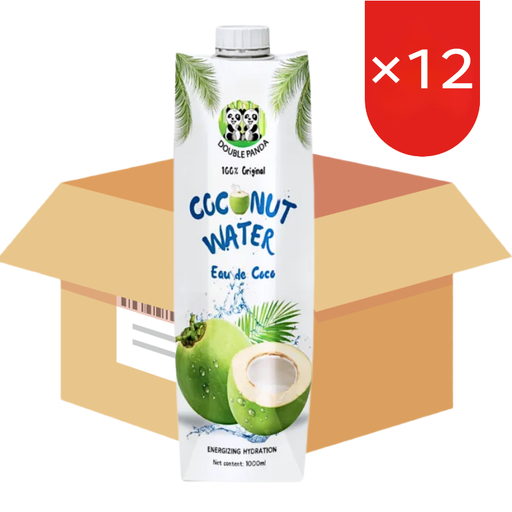
Why This Fits Their Persona: Suitable for shoppers who want to stock up and are looking for a sweet, refreshing drink. The 1L coconut water value pack is practical for families or regular consumption.
This product is transparent: the ingredients list includes cane sugar in addition to coconut water. It doesn't pretend to be a pure, natural product but clearly positions itself as a sweetened coconut beverage.
The main advantage is the value for money when buying in bulk. Its sweet taste makes it a popular alternative to traditional sodas or juices.
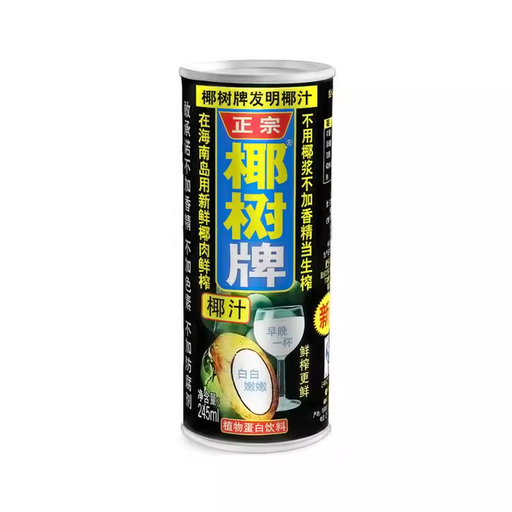
Why This Fits Their Persona: Perfect for those who love the rich, creamy taste of coconut and are looking for a beverage that is more like coconut milk than clear water. It's a dessert-like drink.
This product clears up the confusion between coconut water and other coconut products. It is labelled as "Authentic Coconut Juice" and, according to the ingredients list, is made from fresh coconut pulp juice (25%), not the water from the nut.
Offers a unique, rich, and creamy taste experience that is distinctly different from clear coconut water. The formulation without preservatives and artificial flavourings is a plus.
We have compiled a complete, up-to-date list of products that fully meet these strict selection criteria.
This is one of the most common sources of confusion.
Opened coconut water should always be stored in the refrigerator. Most manufacturers recommend consuming the product within 3 days of opening. Unopened, UHT-packaged products can be stored at room temperature for many months. Always check the information on the packaging.
Coconut water naturally has a concentration of dissolved particles (like minerals and sugar) similar to that of human blood. For this reason, it is often referred to as an isotonic drink. It can help rehydrate the body and replenish electrolytes like potassium after light to moderate physical activity. However, for intense, prolonged exercise, specialised sports drinks that also replace sodium may be more suitable.