
Lieferung heute & morgen

Qualitätsgarantie

Willkommens-Angebote freischalten: KOSTENLOSE Lieferung | Bis zu 80 % RABATT | Kostenlose 30-Tage-JoyPlus-Testphase
App herunterladen
As a Joybuy Product Recommendation Officer, I see the vast number of coconut water options available every day. However, not every product that promises tropical refreshment delivers on that promise. Many consumers seek a natural, healthy drink, only to be disappointed by hidden sugars or the confusing distinction between coconut water and coconut juice.
This guide will help you read labels correctly and avoid common purchasing pitfalls, ensuring you find the perfect coconut water to suit your needs.
Before you buy your next coconut water, be aware of these two widespread issues that often lead to the wrong purchase:
To ensure you're getting a high-quality product, focus on these three objective criteria.
The easiest way to verify quality is to check the ingredients.
The nutrition facts panel provides the proof. Pay close attention to the "of which sugars" value.
Some manufacturers also list the content of minerals like potassium. Due to its natural mineral content, coconut water is considered an electrolyte drink and is often valued as an isotonic drink for post-workout recovery.
The choice of packaging depends on how you plan to use it.
Here are a few recommendations tailored to different needs, all of which meet the quality criteria mentioned above.
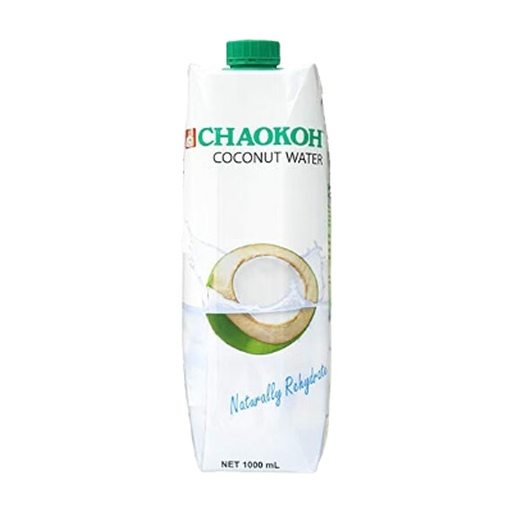
Why This Fits Their Persona: Ideal for anyone seeking an unadulterated product. It's perfect as a daily refreshing drink, a base for smoothies, or for hydration without any additives.
The ingredients list is perfectly transparent: it contains only 100% coconut water. This sidesteps the trap of hidden sugar and unnecessary additives.
Pure, authentic taste; no additives. The natural sugar content is 4.2 g/100 ml, which is typical for pure coconut water.
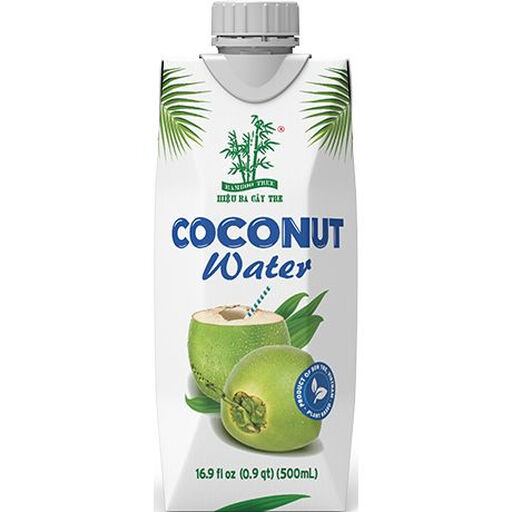
Why This Fits Their Persona: This bulk pack is ideal for people who drink coconut water regularly, whether for post-workout hydration or as part of a daily routine. The 500 ml packs are convenient for on-the-go use.
Here, too, the ingredient is exclusively 100% coconut water. It is a pure product suitable for targeted fluid and electrolyte replenishment without any unwanted additives.
Convenient bulk pack with 12 units; pure product with no additives; ideal for regular use and stocking up.
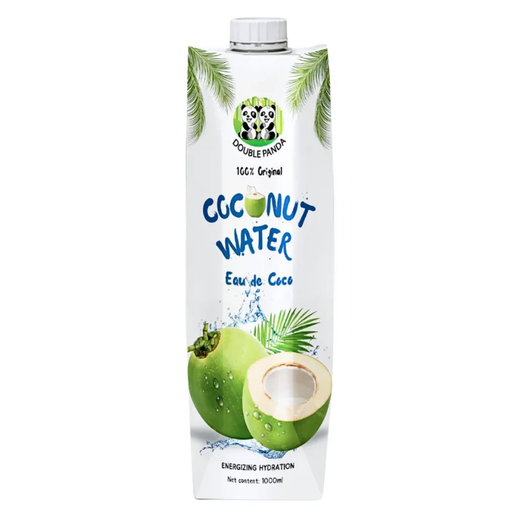
Why This Fits Their Persona: Perfect for those who enjoy the taste of coconut water but prefer a slightly sweeter option. It's a great base for mocktails or as a refreshing drink on its own.
This product is transparent: the ingredients list clearly states coconut water and cane sugar. It doesn't pretend to be pure coconut water, thus avoiding the trap of being misleading.
Lightly sweetened flavour profile for broader appeal; clear declaration of ingredients; versatile for use in drinks and mocktails.
We've compiled a complete, up-to-date list of products that fully meet these strict selection criteria and comply with German food safety regulations.
Coconut water is the clear, watery liquid from inside young, green coconuts. It is naturally low in fat and calories. Coconut milk, on the other hand, is made from the pressed flesh of mature, brown coconuts. It is creamy, rich in fat, and primarily used for cooking.
Once opened, coconut water should be stored in the refrigerator. Most manufacturers recommend consuming it within 24 to 72 hours to maintain its freshness and taste. Always follow the specific instructions on the packaging.
Yes, coconut water has a natural, subtle sweetness that comes from the sugars found within the coconut itself (mainly sucrose, glucose, and fructose). Therefore, a pure coconut water with no added sugar will still contain sugar, which is listed under "of which sugars" in the nutritional information.