
Lieferung heute & morgen

Qualitätsgarantie

Willkommens-Angebote freischalten: KOSTENLOSE Lieferung | Bis zu 80 % RABATT | Kostenlose 30-Tage-JoyPlus-Testphase
App herunterladen
Coconut water has established itself as a refreshing alternative to sugary sodas and artificial sports drinks. However, the market is crowded, and not every product that promises tropical refreshment delivers on its promise. As your Joybuy Product Recommendation Officer, I'll help you identify the common pitfalls and make an informed purchasing decision.
Many consumers reach for coconut water assuming they are buying a pure, natural product, only to fall into two common traps:
This guide will show you which objective criteria to look for to find the right coconut water for your needs.
To separate marketing promises from facts, you should check three key parameters on the label. These provide insight into the actual quality and composition of the product.
The most crucial information is on the ingredient list. Look for products whose only ingredient is "100% coconut water." This guarantees you get coconut water with no added sugar or other additives. Terms like "cane sugar," "sugar," or "fructose syrup" indicate a sweetened beverage.
A look at the nutrition facts table is also revealing. Natural coconut water contains naturally occurring sugar (typically 4–6 g per 100 ml). A significantly higher value suggests added sugar.
The label "100% coconut water" or "not from concentrate" signals that the liquid was bottled directly from young, green coconuts. Products "from coconut water concentrate" are made by first removing the liquid from the water and later adding water back. This process can affect the taste and nutrient profile.
Most shelf-stable coconut water products are UHT (Ultra-High Temperature) processed. This method ensures a long shelf life without the use of preservatives and is a common standard for ensuring food safety.
Coconut water is often prized as a natural isotonic drink because it naturally contains electrolytes like potassium, magnesium, and sodium. These minerals are important for regulating the body's fluid balance. If you buy coconut water to rehydrate after sports, a pure coconut water is a good choice. The potassium content is often explicitly listed on the nutrition table and can serve as an indicator of the product's naturalness.
Based on these objective criteria, we have compiled a few products from our range for different needs.
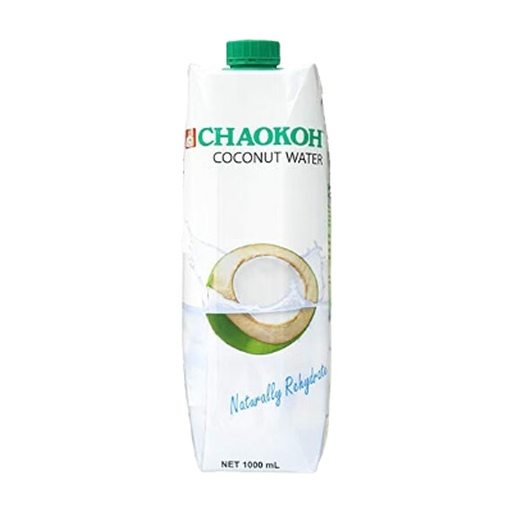
Why This Fits Their Persona: Ideal for anyone seeking the pure, authentic taste of coconut water without any additives. Its Thai origin signifies a classic, slightly sweet flavour profile.
The ingredient list contains only "Coconut Water (100%)". It thus avoids the sugar trap and the quality loss from using concentrate.
100% pure coconut water with no added sugar. Certifications like Halal and Kosher demonstrate adherence to specific production standards.
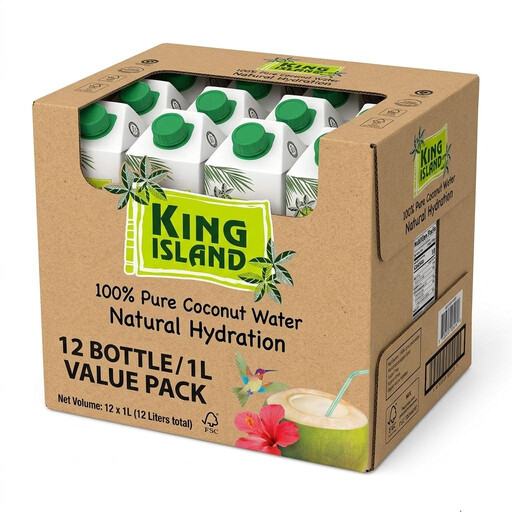
Why This Fits Their Persona: The bulk pack of 12 litres is ideal for those with high consumption, such as for daily hydration or post-workout recovery. The Coconut Water 1L cartons are convenient for stocking up.
This product offers pure, unsweetened coconut water in an economical bulk size, ensuring no hidden sugars are consumed even with regular use.
100% pure coconut water. According to the manufacturer, it contains 211 mg of potassium per 100 ml, making it a potent natural electrolyte drink.
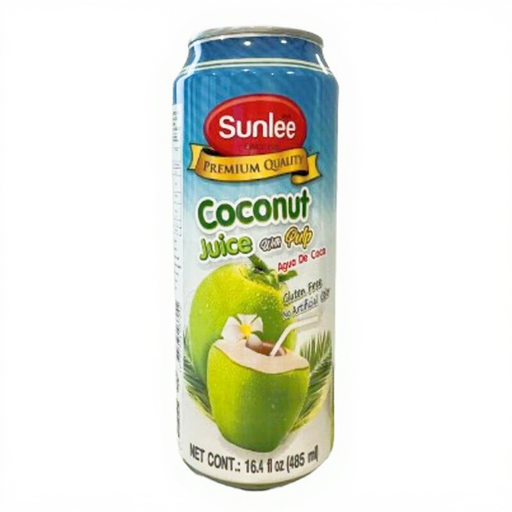
Why This Fits Their Persona: Perfect for those who prefer a tropical drink with more texture and a touch of sweetness. This coconut water with pulp offers a different drinking experience than pure water.
The product name "Coconut Juice with Pulp" and the transparent ingredient list (which includes sugar and coconut pulp) make it clear that this is an indulgent beverage, not pure coconut water.
Contains real coconut pulp for an interesting texture. Gluten-free and contains no artificial colours.
We have compiled a complete, up-to-date list of products that fully meet these strict selection criteria and current regulations.
Coconut water is the clear, watery liquid from inside young, green coconuts. It is fat-free and low in calories. Coconut milk, on the other hand, is made from the pressed, white flesh of mature coconuts. It is creamy, rich in fat, and primarily used for cooking.
After opening, coconut water should be stored in the refrigerator. Most manufacturers recommend consuming it within 24 to 72 hours to maintain its freshness and taste. Always follow the specific instructions on the packaging.
A beverage is considered isotonic if its concentration of dissolved particles (like salts and sugars) is similar to that of human blood. Pure coconut water naturally has a composition that closely resembles this profile, which is why it is often called a natural isotonic drink. It can quickly supply the body with fluids and minerals.