
Lieferung heute & morgen

Qualitätsgarantie

Willkommens-Angebote freischalten: KOSTENLOSE Lieferung | Bis zu 80 % RABATT | Kostenlose 30-Tage-JoyPlus-Testphase
App herunterladen
Coconut water is often marketed as a low-calorie refreshing drink, vegan coconut drink or natural electrolyte drink. However, products can vary considerably. Some contain 100% coconut water, while others include sugar, coconut flesh or additional flavourings. If you focus only on tropical product images and terms such as “natural”, you could easily buy a drink that is not suitable for your intended use.
Three common pitfalls are particularly important when choosing:
If you are looking for 100% pure coconut water, the ingredients list should contain only “coconut water” or another equally clear description. Vitamin C may also be added, depending on the product. For coconut water with no added sugar, the list must not include any added table sugar, syrup or fructose syrup.
The natural sugar content can still vary. The product information provided gives the following examples:
This makes it clear that a coconut drink with added sugar is not the same as pure coconut water. “Coconut flavour” or “Coconut Juice” can also indicate a recipe containing water, sugar, an acidity regulator and coconut flesh.
Coconut water contains varying amounts of energy and minerals, depending on the recipe and origin. The product data includes potassium, magnesium, calcium and manganese, among other nutrients. These values are normally stated on the label per 100 ml and can only be compared meaningfully when the products use the same reference quantity.
For example, Chaokoh lists 149 mg potassium, 6.49 mg magnesium and 11.5 mg calcium per 100 ml. UFC states 211 mg potassium per 100 ml, while King Island lists 290 mg potassium per 100 ml. These figures come from the respective product information and should not be understood as medical or therapeutic effects.
For coconut water for sport, your own drinking quantity is also relevant. A 1-litre drink can be useful to have available after training, while a 330-ml can may be better portioned for a single occasion. During intense or prolonged physical activity, coconut water is not a substitute for individual sports or nutritional advice.
Unopened coconut water in a Tetrapak can usually be stored at room temperature. Once opened, it should be kept in the fridge. Different periods apply depending on the product:
With small cans or bottles, the short period after opening is usually not a problem. A supply of 1-litre coconut water or several 1-litre bottles should only be chosen if the contents will be consumed regularly. Before opening, gently shaking the drink may be useful, as natural deposits or slight cloudiness can occur.
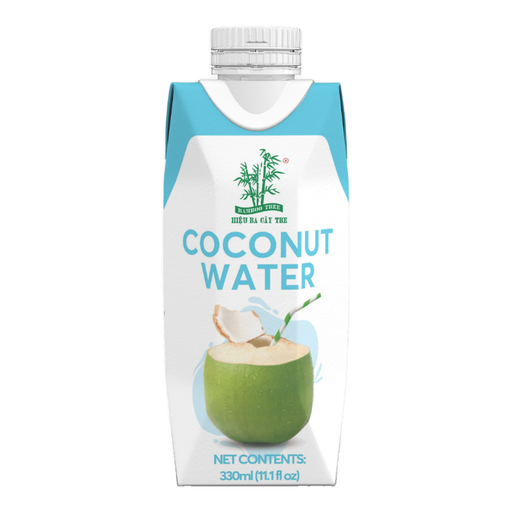
Why this product suits this profile: The small pack size is suitable for occasional consumption, so you do not need to store it for several days after opening.
According to the product information, it consists of coconut water and contains no added sugar. The ingredients list should nevertheless be checked on the item delivered.
330-ml portion, plant-based recipe and room-temperature storage before opening.
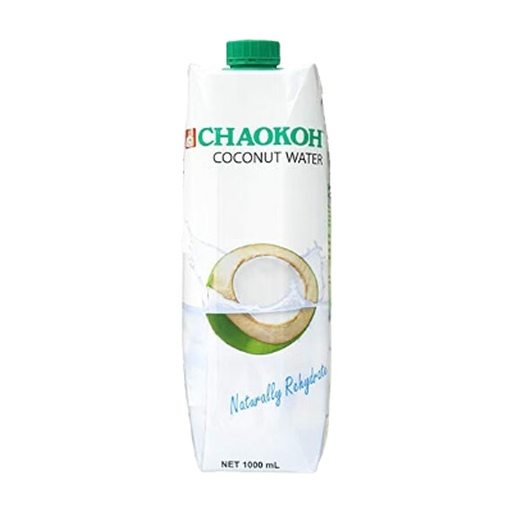
Why this product suits this profile: The product information lists Thailand as the country of origin, 100% coconut water and 1-litre Tetrapak packaging.
The ingredients information states that it contains no added sugar, preservatives or artificial additives.
Can be stored unopened for 18 months at a suitable room temperature; potassium, magnesium and calcium are stated per 100 ml.
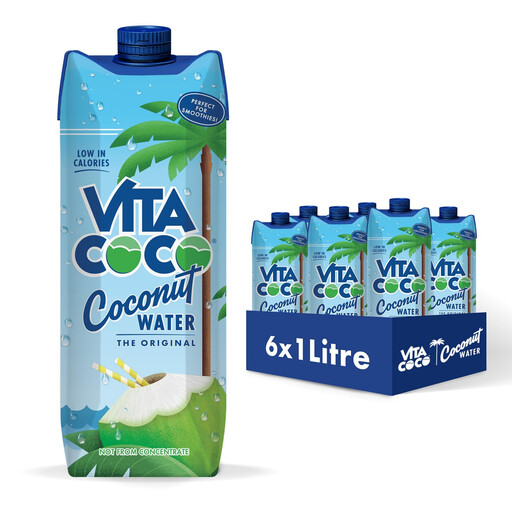
Why this product suits this profile: The multipack containing six 1-litre bottles is aimed at households, offices and people who consume coconut water regularly.
The information states 0 g fat, 13 kcal per 100 ml and no added sugar. Once opened, it must be kept refrigerated.
6 litres in total, gluten-free and lactose-free according to the product description, plus vitamin C in the ingredients list.
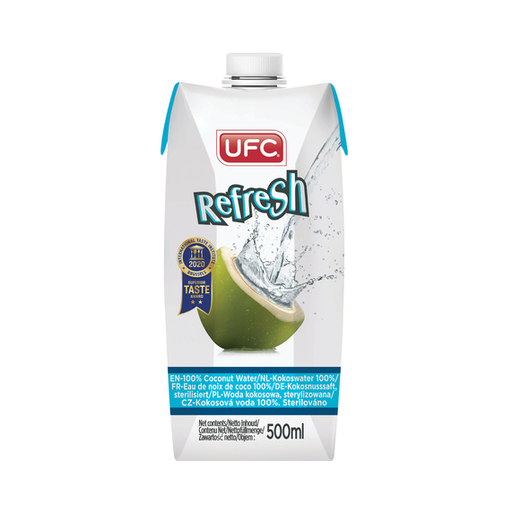
Why this product suits this profile: At 500 ml, it is easier to plan for a rucksack, the office or a single drinking occasion than a larger pack.
According to the product information, it contains 100% coconut water with no artificial additives and no added sugar.
500-ml Tetrapak, 22 kcal per 100 ml and, according to the product information, 211 mg potassium per 100 ml.
We have put together a complete, regularly updated list of products that fully meet these strict selection criteria and the safety regulations applicable in the EU.
No. No added sugar means that no additional sugar has been included. Coconut water naturally contains carbohydrates and sugar. Buyers should therefore check the nutritional information per 100 ml. Products containing sugar, fructose syrup or sweetened coconut pieces do not belong in the pure coconut water category.
This depends on the product. Many 1-litre packs must be refrigerated after opening and consumed within three to seven days. Small cans or bottles often have a shorter recommended period of around 24 hours. The specific manufacturer’s guidance on the packaging or product page is the definitive information.
Depending on the recipe, coconut water contains naturally occurring minerals such as potassium and magnesium, so it can be consumed before or after a sports session. However, it is not automatically a suitable replacement for every sports drink. During prolonged exertion, heavy sweating or when particular dietary requirements apply, your fluid and electrolyte needs should be assessed individually.