
Lieferung heute & morgen

Qualitätsgarantie

Willkommens-Angebote freischalten: KOSTENLOSE Lieferung | Bis zu 80 % RABATT | Kostenlose 30-Tage-JoyPlus-Testphase
App herunterladen
When you want to buy coconut water, you're often faced with a packed shelf of products all promising to be "natural" and "refreshing." But not all coconut water is created equal. Many consumers end up with products that don't meet their expectations, whether due to unexpected ingredients or a consistency unsuitable for their intended use.
Navigating the options can be confusing, and the biggest pitfalls are often well-hidden. These include products marketed as "coconut water" that contain a significant amount of added sugar, as well as the common mix-up between clear coconut water and creamy coconut milk or sweetened coconut juice. This guide will help you bypass these hurdles and make an informed decision.
To ensure you find the right product for your needs, you should check three key aspects: the ingredient list, the product type, and the packaging.
The most revealing information is found on the ingredient list. If you're looking for pure coconut water, the list should ideally contain only one item: "100% coconut water."
The terms are often used interchangeably, but they refer to fundamentally different products with different uses.
The choice of packaging depends on your consumption habits.
Here are some product recommendations tailored to specific needs, taking the above criteria into account.
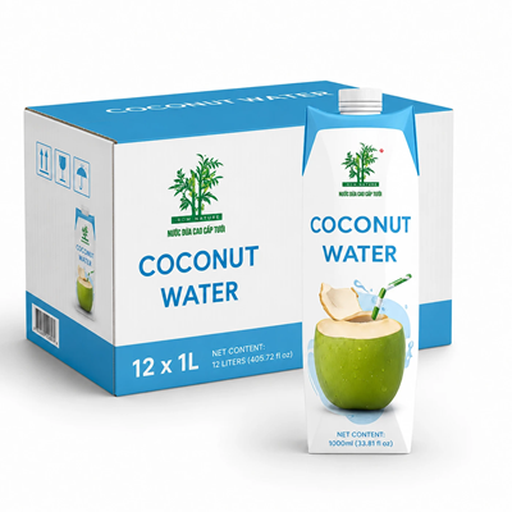
Why it's a good fit: Ideal for athletes and health-conscious consumers who need a supply of pure coconut water. The bulk pack covers daily hydration needs or serves as a base for smoothies.
The ingredient list is clear: 100% coconut water. There is no added sugar or other unnecessary additives.
The 1-litre Tetra Paks are convenient for storage and regular consumption. The bulk pack offers excellent value for money.
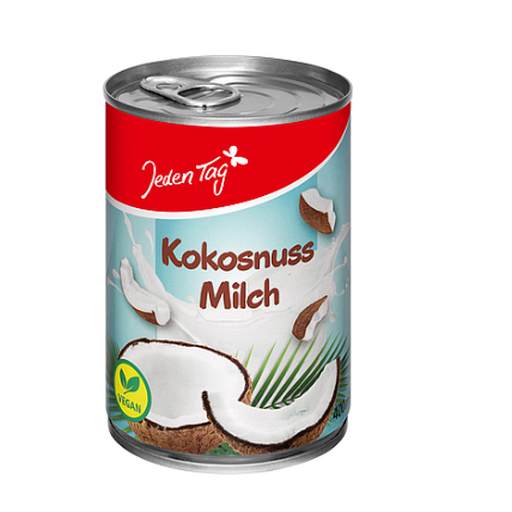
Why it's a good fit: For anyone who wants to prepare authentic Asian dishes. This coconut milk provides the necessary creaminess and full flavour for curries, soups, and desserts.
This product is clearly labelled as coconut milk, avoiding confusion with drinkable coconut water. It is designed for cooking.
The high coconut extract content of 52% ensures an intense, natural flavour. The organic certification is an additional mark of quality.
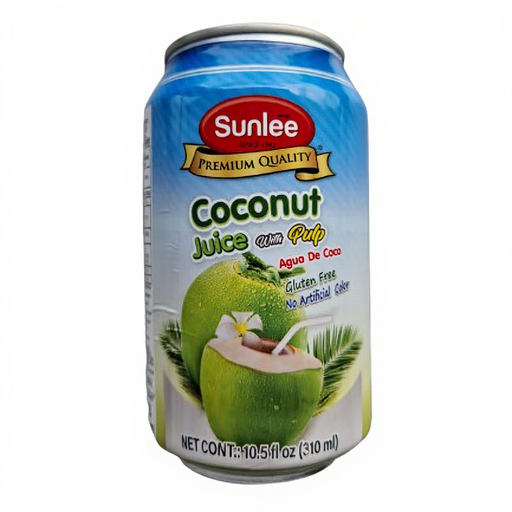
Why it's a good fit: For those looking for a refreshing drink with an extra twist. The combination of coconut juice and tender pulp pieces offers a more varied drinking experience.
The product is transparently declared as coconut juice with pulp. It is aimed at connoisseurs, not purists looking for a pure electrolyte drink. The sugar content is clearly stated in the nutritional information.
The included pulp pieces (5%) provide an interesting texture. The convenient 310 ml can is perfect for immediate enjoyment.
We've compiled a complete, up-to-date list of products that fully meet these strict selection criteria.
After opening, coconut water should be stored in the refrigerator and typically consumed within 2 to 3 days. The exact shelf life can vary depending on the product and processing (e.g., UHT treated). Therefore, always follow the manufacturer's specific instructions on the packaging.
Pure coconut water naturally contains electrolytes like potassium and has a similar concentration of solutes to human blood, making it a naturally isotonic drink. For athletes, it can be a natural alternative to many commercial sports drinks, especially if it's a product with no added sugar.
The fundamental difference lies in their origin and composition. Coconut water is the clear liquid from the inside of young, green coconuts. It is low in fat and primarily serves for hydration. Coconut milk, on the other hand, is made from the shredded and pressed flesh of ripe, brown coconuts. It is creamy, high in fat, and is mainly used for cooking and baking.