
Lieferung heute & morgen

Qualitätsgarantie

Willkommens-Angebote freischalten: KOSTENLOSE Lieferung | Bis zu 80 % RABATT | Kostenlose 30-Tage-JoyPlus-Testphase
App herunterladen
The selection of coconut drinks on the supermarket shelf can be overwhelming. From clear water and creamy juice to rich milk, the labels promise a tropical escape, but the reality in the glass often falls short of expectations. Many consumers unknowingly buy products that are unsuitable for their intended purpose, whether for pure hydration, as an ingredient in Asian cuisine, or as a refreshing treat. This guide will help you avoid the common pitfalls and make an informed decision.
Before you put a coconut drink in your shopping cart, you should be aware of the typical points of confusion that can lead to a mistaken purchase.
To find the right product, focus on three objective parameters. These will help you quickly assess the quality and suitability of a coconut drink.
The foundation for the right choice is understanding the three main categories:
A short and understandable ingredients list is often a sign of a high-quality product.
Depending on the intended use, the type and size of the packaging also play a role. Small cans or cartons (250–330 ml) are suitable for quick refreshment on the go. Those who want to buy coconut water to drink regularly will benefit from larger 1-litre packs. For stocking up for food service or family parties, multi-packs of 6 or even 24 units are a practical and often more cost-effective solution.
Here are some recommendations tailored to specific needs and use cases.
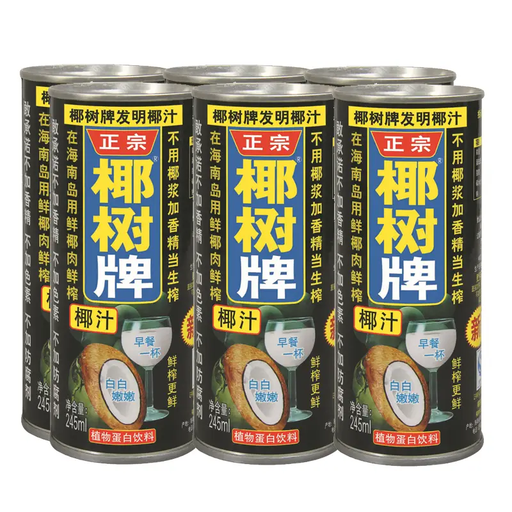
Why This Fits Their Persona: This product is specifically designed for cooking. The high fat content provides the authentic, creamy consistency that is essential for Thai curries, Vietnamese soups, or Indonesian desserts. The 6-pack is ideal for stocking the home pantry.
It is clearly labelled as coconut milk for cooking, not a beverage. This prevents the common mistake of using an unsuitable product for recipes.
High fat content of 20% for maximum creaminess; versatile for both savory and sweet dishes.
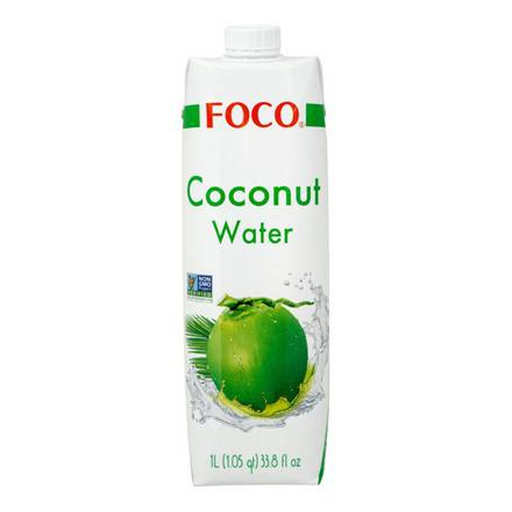
Why This Fits Their Persona: For anyone looking for a pure, unadulterated natural coconut water for hydration. Ideal after sports, as a base for smoothies, or simply as a light thirst-quencher. The 1-litre pack is practical for regular consumption at home.
The ingredients list consists of just one item: "100% Coconut Water." This completely avoids the pitfall of hidden sugar or artificial additives.
Pure coconut water with no additives whatsoever; low in calories (21 kcal per 100 ml); convenient bulk size.
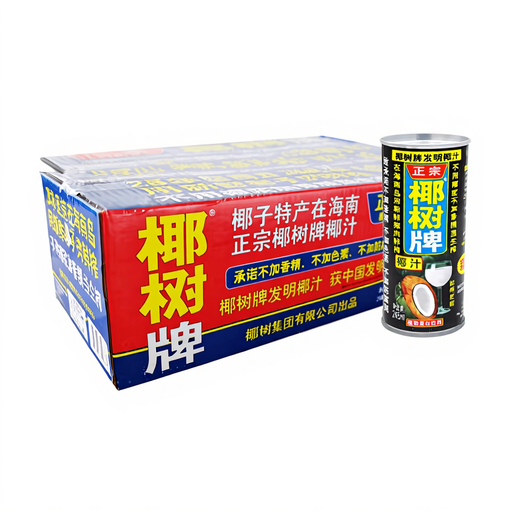
Why This Fits Their Persona: This classic coconut juice is a crowd-pleaser with a mild, creamy, and sweet flavour. The bulk pack of 24 cans is ideal for stocking up, for families, parties, or for use in food service.
The product is honestly labelled as a "Juice Drink," which makes it clear that it is a treat beverage and not pure coconut water. This manages expectations correctly.
Bulk pack of 24 cans for excellent stocking; classic, widely popular flavour.
We have compiled a complete, up-to-date list of products that fully meet these strict selection criteria and local regulations.
1. What is the exact difference between coconut water and coconut milk? Coconut water is the natural, clear liquid from the inside of young, green coconuts. It is low in fat and is consumed as a beverage. Coconut milk, on the other hand, is made from the pressed white flesh of ripe, brown coconuts. It is rich in fat and is used as an ingredient in cooking and baking to give dishes a creamy texture.
2. How long does an opened coconut drink last? The shelf life after opening varies by product and processing. Pure coconut water should be refrigerated and typically consumed within 24 to 48 hours. Sweetened juices and coconut milk often last a bit longer, usually up to 3 days in the refrigerator. Always follow the manufacturer's specific instructions on the packaging.
3. Can you cook with any coconut drink? No, that is not recommended. For cooking, especially for creamy curries or soups, you need the high fat content of coconut milk. Using coconut water or coconut juice would lead to a watery and unsatisfying result, as they lack the necessary richness and texture.