
Lieferung heute & morgen

Qualitätsgarantie

Willkommens-Angebote freischalten: KOSTENLOSE Lieferung | Bis zu 80 % RABATT | Kostenlose 30-Tage-JoyPlus-Testphase
App herunterladen
Coffee accessories range from coffee filter paper and coffee grinders to espresso accessories, drinkware and coffee-machine care products. The choice may initially seem straightforward, but some purchasing decisions can quickly lead to unnecessary expense in everyday use. The key factors are less about eye-catching design features and more about compatibility, material, capacity and cleaning requirements.
A coffee filter with the wrong shape will not fit securely in the filter holder. With pour-over coffee filters, for example, size specifications such as #01 or Size 4 are important. Espresso accessories with a diameter of 58 mm are not automatically compatible with every espresso machine either.
The same applies to water filters and descalers: a product may be intended for a particular brand or product range. Before buying, you should therefore check the instruction manual, model number and accessories approved by the manufacturer.
Descriptions such as ‘professional’, ‘particularly durable’ or ‘perfect extraction’ do not say much on their own. Verifiable details are more useful, including:
When choosing coffee accessories for travel or camping, the packed dimensions also matter. A large accessory set may be useful at home, but can take up unnecessary space when you are on the go.
A low purchase price does not automatically mean low overall costs. Disposable coffee filters or individual filter cartridges need to be bought regularly. Reusable metal filters, on the other hand, require thorough cleaning. Coffee machines also need descaler, water filters and, where applicable, seals.
Before buying, it is worth doing a simple calculation: how often will the accessory be used, which consumables will be needed and how time-consuming is cleaning?
There are various options for manual filters and traditional filter coffee machines:
Paper filters should sit against the filter holder without creasing excessively. Briefly dampening the filter before adding the ground coffee can help reduce any paper taste and stabilise the filter. The exact size must match the coffee machine or manual filter.
For coffee cups and mugs, heat-resistant materials and a secure grip are important criteria. Ceramic is widely used for everyday drinking, but it can break if knocked. Double-walled glasses have an insulating layer of air between the glass walls, which generally makes the outside more comfortable to hold when serving hot drinks.
For French presses and similar coffee pots, details about borosilicate glass and stainless steel are relevant. However, such products should not be used on the hob or in the microwave if the manufacturer advises against it.
Limescale deposits depend, among other things, on water hardness and how often the machine is used. A coffee-machine descaler should only be measured and used according to the instructions in the relevant manual. The De’Longhi EcoDecalk DLSC500 is stated in the product information to require a dosage of 100 ml per descaling cycle; the exact procedure depends on the machine programme.
A water filter for coffee machines can only be used if its design and filtration system are compatible with the machine. The JURA CLARIS Smart+ Filter Cartridge is described as being designed for automatic filter detection. Before inserting it, you should therefore check whether your JURA machine supports this cartridge.
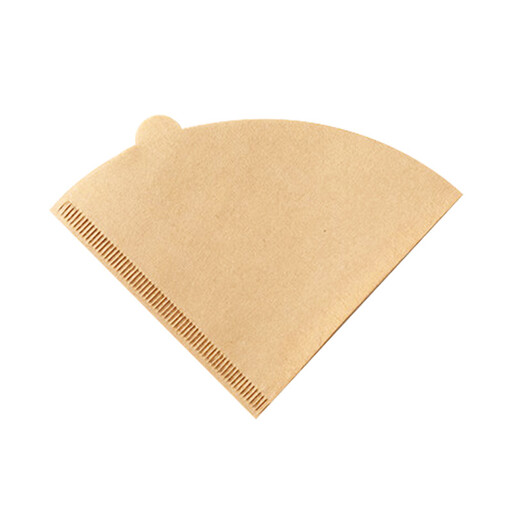
Why this product suits this profile: The pack of 100 conical paper filters is suitable for regular single- and multi-cup brewing, provided that size #01 fits your existing filter holder.
The specific #01 size and the stated quantity of ‘100 pieces’ make it easier to assess fit and supply levels than an imprecise universal description.
Unbleached wood-fibre paper, an adhesive-free design and 100 filters per pack.
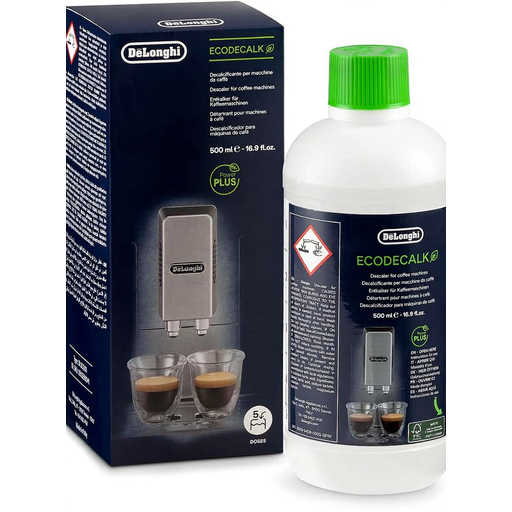
Why this product suits this profile: According to the manufacturer, this original care product is intended for De’Longhi coffee machines and includes a dosing aid on the bottle.
The brand and dosage information reduce the risk of using an arbitrary cleaner incorrectly. The machine manual remains the definitive source.
500 ml contents, stated in the product information to be sufficient for up to five descaling cycles; follow the safety instructions after use.
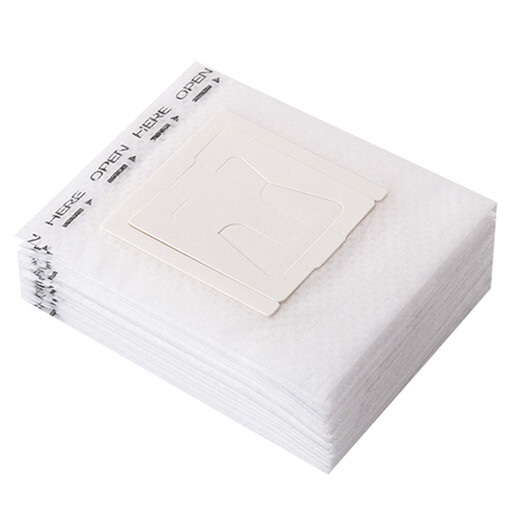
Why this product suits this profile: The disposable bags do not require a coffee machine and can be used with ground coffee in the office, while travelling, when camping or in small kitchens.
They are designed for individual servings, so there is no need to buy additional equipment. At the same time, disposable waste remains a visible ongoing cost and resource factor.
50 pieces per pack, support arms for different cups and easy preparation with hot water.
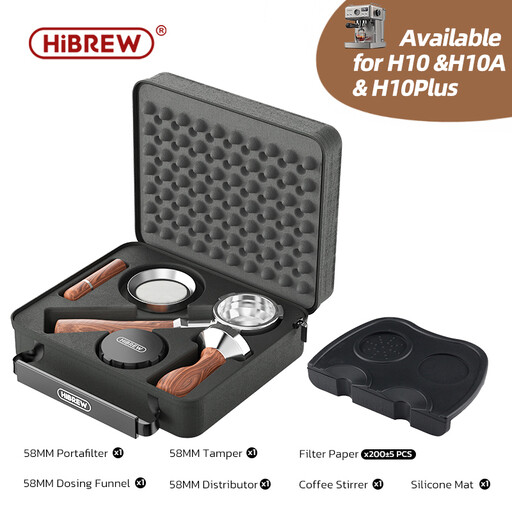
Why this product suits this profile: The set brings together several tools for preparing espresso and, according to the product information, is matched to the HiBREW H10A with its 58-mm system.
The stated 58-mm size and specified machine compatibility help prevent unsuitable purchases caused by incorrectly sized portafilters.
Includes, among other things, a portafilter, tamper, distributor, dosing funnel, stirrer, mat and approximately 200 paper filters.
We have put together a complete, regularly updated list of products that fully meet these strict selection criteria and the safety regulations applicable in the EU.
Depending on your preferred brewing method, additional products may be useful:
For filter coffee, you need at least a suitable filter holder or filter coffee machine, coffee filter paper, ground coffee and water. Portable filter bags can be an alternative when you are out and about. Always check the shape and size of paper filters, such as #01 or Size 4.
This depends on water hardness, frequency of use and the manufacturer’s instructions. Many machines indicate automatically when descaling is required. Use the specified descaler at the stated dosage, then carry out the recommended rinsing cycles with fresh water.
A reusable filter can reduce the need to buy coffee filter paper regularly. However, it requires thorough cleaning after every use. Paper filters are generally more convenient and retain coffee grounds and fine particles. Which option is better depends on how often you use it, your taste preferences and the amount of cleaning involved.