
Lieferung heute & morgen

Qualitätsgarantie

Willkommens-Angebote freischalten: KOSTENLOSE Lieferung | Bis zu 80 % RABATT | Kostenlose 30-Tage-JoyPlus-Testphase
App herunterladen
The right coffee accessories affect more than just the look of your coffee station. Size, material, compatibility and cleaning requirements all influence whether a product is genuinely practical for everyday use. If you focus only on colours, high pressure ratings or supposed barista features, you can easily end up with accessories that are not suitable for your existing machine or your drinking habits.
This guide explains which details matter before you buy and which options may suit different households, offices and home baristas.
An espresso cup with a capacity of 80 or 120 ml is designed for espresso, ristretto or small speciality drinks. Cappuccino and latte macchiato, on the other hand, are better served in larger coffee cups or double-walled glasses holding around 240 to 350 ml. A large cup is not automatically more versatile if the espresso quickly loses heat inside it.
With coffee filter paper, the shape and size are crucial. A size #1 filter will not automatically fit a size 4 holder. Conical filters and basket filters also differ. Before ordering, you should therefore check the specifications of your coffee machine or existing filter holder.
Glass, ceramic and stainless steel have different properties. According to the product specifications, borosilicate glass is designed to withstand certain temperature changes, but it can break if knocked. Ceramic is food-safe, but it is not unbreakable either. With double-walled glasses and French presses, it is also important to check whether they are suitable for the dishwasher, microwave or hob.
Use the typical serving size as your guide:
With an espresso machine, you should also check whether you use ground coffee, capsules or a particular basket size. For example, a 58 mm espresso accessory set is not automatically compatible with a 51 mm or 54 mm basket.
Three points are relevant when choosing coffee filters:
According to the product description, Maxcook size #1 filters are designed for 1 to 2 cups and conical filter holders. The Melitta Round Coffee Filter Original 1 is described as having a diameter of 94 mm. The 100 paper filters for standard machines, on the other hand, are specified as size 4. These products should therefore not be swapped without checking them against your own machine.
Look for specific cleaning instructions. Some products are dishwasher-safe, while hand washing is recommended for others. Bamboo capsule holders, for example, must not be soaked in water. Glassware should be protected from sudden changes in temperature and should not be used if it has cracks or chips.
Storage space and organisation also matter for everyday use. A capsule holder with 32 slots can be a practical choice for a household or small office, provided the capsules you use fit the designated compartments.
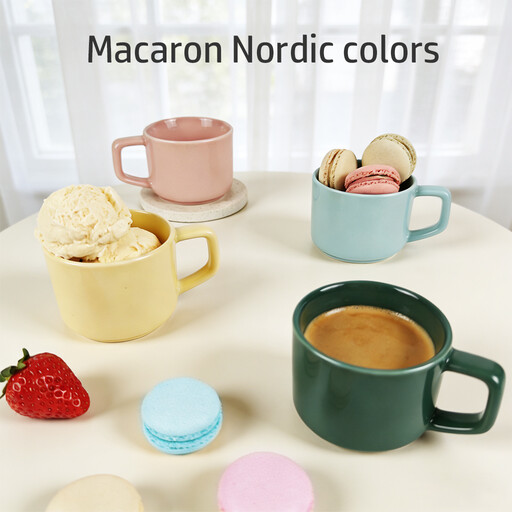
Why this product suits this profile: Four small ceramic cups, each holding 120 ml, are suitable for espresso, Turkish coffee, tea or small desserts. The set covers several individual servings while taking up little cupboard space.
The stated capacity makes the serving size clear. This prevents a small espresso cup from accidentally being treated as a large coffee cup.
Food-safe ceramic, four colours and compact dimensions. According to the product specifications, hand washing is recommended.
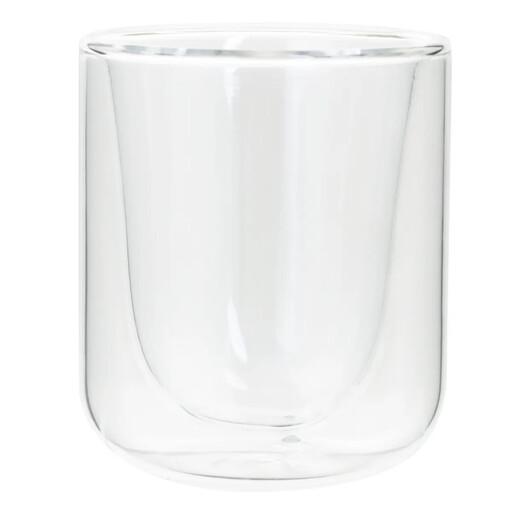
Why this product suits this profile: The 8-cl double-walled borosilicate glass showcases the espresso’s colour and crema. It is aimed at users who consider material specifications, a clear design and precise dimensions.
The specifications state a capacity of 80 ml, a diameter of 6 cm and a height of 7 cm. They also warn against extreme changes in temperature.
Dishwasher- and microwave-safe according to the product description; not suitable for use in the oven.
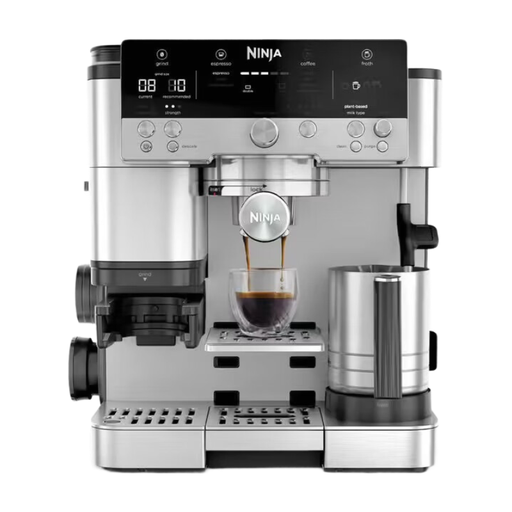
Why this product suits this profile: This coffee machine combines espresso, cold brew and filter coffee. An integrated grinder with 25 settings and a milk frother with four programmes make it a good choice for households that enjoy several brewing methods.
The features are clearly specified: a 1.5-litre water tank, 1,650 watts, 25 grind settings and four frothing programmes. Before buying, check that you have enough space available.
Integrated grinder, milk frother and accessories for preparing espresso. Cleaning and descaling must be carried out regularly in accordance with the instructions.
For filter coffee, a manual coffee maker, a suitable filter holder and the right coffee filter paper are often all you need. A French press, on the other hand, does not require paper filters; it uses a glass or stainless steel plunger filter. The French press set with double-walled glass and a matching cup is an appealing option for users who want to combine preparation and serving.
For cappuccino and latte macchiato, a suitable milk frother, a stainless steel jug and larger cups are useful additions. If you want to practise latte art, look for a jug with a well-controlled pouring spout and a capacity that matches the amount of milk you use. With a portafilter espresso machine, a coordinated espresso accessory set with a tamper, dosing funnel and silicone mat can help keep your work area organised.
We have put together a complete, regularly updated list of products that fully meet these strict selection criteria and the safety regulations applicable in the EU.
For filter coffee, you need a coffee grinder or ground coffee, a suitable filter holder, coffee filter paper and a cup. For espresso, add an espresso machine and small espresso cups. A milk frother is only necessary if you regularly prepare cappuccino or latte macchiato.
Their lifespan depends on the material, use and care. Glass and ceramic can break if dropped. Stainless steel parts should be dried thoroughly after cleaning. Paper filters are disposable products. With machines, descaling, cleaning the water tank and maintaining the grinder and milk system all affect long-term operation.
With reusable solutions, the main costs are for coffee, water and cleaning. Paper filters, capsules and disposable filter bags create regular ongoing costs. Before buying, it is therefore worth comparing the purchase price, consumables and your actual daily requirements.