
Lieferung heute & morgen

Qualitätsgarantie

Willkommens-Angebote freischalten: KOSTENLOSE Lieferung | Bis zu 80 % RABATT | Kostenlose 30-Tage-JoyPlus-Testphase
App herunterladen
Coffee accessories range from the right cup to a fully equipped espresso machine. This extensive choice is precisely what makes the decision difficult: a high bar rating may sound impressive, but on its own it says little about how the machine actually performs. Unclear capacity information, delicate materials or missing care instructions can also lead to unnecessary costs later on, whether you are choosing coffee cups or double-walled glasses.
Three typical buying patterns deserve particular attention:
Before buying, you should decide which drinks you will prepare in your everyday routine. A larger cup or coffee mug makes sense for traditional filter coffee. Espresso and moka coffee require smaller vessels. Cappuccino and latte drinks benefit from more capacity, giving the coffee and milk foam enough room.
| Drink or application | Practical guide | |---|---| | Espresso or ristretto | around 7–10 cl | | Moka coffee from a moka pot | depends on the pot’s serving size, for example around 130 ml with a 3-cup pot | | Cappuccino | often around 150–200 ml | | Latte or milky coffee | often around 250–350 ml | | Coffee on the go | compact travel mug with a secure closure |
When choosing a moka pot, you should also check whether it is compatible with your hob. According to the product details, the Bialetti Moka Express in the 3-cup version is suitable for gas, ceramic and electric hobs. It should be cleaned by hand and is not intended for the dishwasher. The safety valve must not be blocked during use.
For drinking vessels, borosilicate glass, ceramic and stainless steel are typical materials, each with different properties. Double-walled borosilicate glasses are designed to insulate heat and are often more comfortable to hold on the outside when filled with hot drinks. They are still breakable and should not be exposed to sudden changes in temperature.
According to the product description, the Cléa espresso cups are suitable for use in the microwave and dishwasher; use in an oven is not permitted. The Bialetti FIRENZE glasses are also described as microwave- and dishwasher-safe, although limits apply to the temperature and duration of microwave use. The manufacturer’s instructions should always take precedence.
Stainless steel is particularly suitable for a milk frother or a travel coffee mug. Check the capacity, handle or lid and recommended cleaning method. A 350-ml milk jug is well suited to individual cappuccinos and simple latte art practice, but it does not replace an electric frothing function.
Anyone buying a Nespresso coffee machine must distinguish between Nespresso Original and other capsule systems. According to the product data, the Nespresso Essenza Mini EN85.B is designed for Nespresso Original capsules. It offers two programmable cup sizes, a 0.6-litre water tank and a stated heat-up time of 25 seconds.
A capsule machine is practical when drinks need to be prepared quickly with minimal preparation. A portafilter espresso machine, by contrast, requires more involvement: ground coffee, dosing, tamping and cleaning the steam wand all form part of the routine. According to the product description, the IAGREEA CM3050-2 has a 1.5-litre water tank, a manual steam frother and a removable drip tray grate.
Coffee oils, milk residue and limescale build up regardless of whether you use a capsule machine, bean-to-cup machine or portafilter machine. However, cleaning tablets should not be used indiscriminately in every appliance. According to the product details, the Siemens TZ80001A coffee cleaning tablets are intended for certain Siemens EQ models and built-in appliances. Before use, the model number must match the instructions for use.
You should also look for:
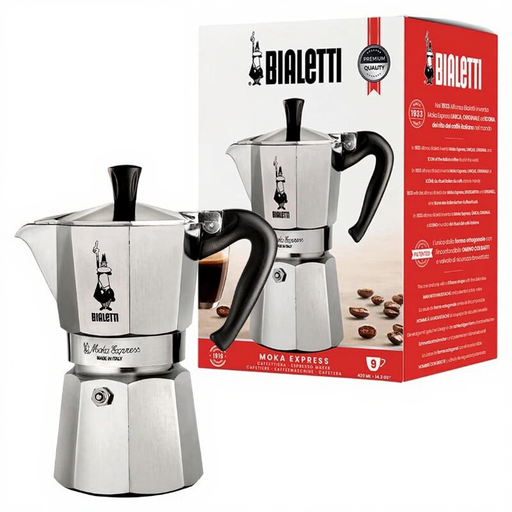
Why this product suits this profile: The moka pot does not require a power connection and is specified as suitable for gas, ceramic and electric hobs. With a capacity of around 130 ml, it is suitable for smaller servings.
The serving size is clearly stated. Hand washing is also specified, so you know about the care requirements before buying.
Aluminium housing, 3-cup version and compatibility with several stated hob types.
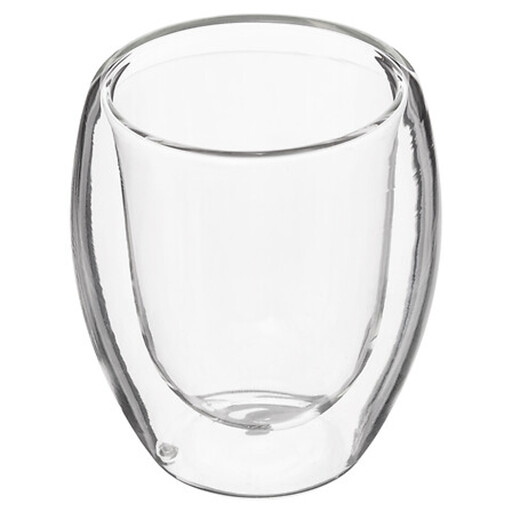
Why this product suits this profile: According to the product details, the transparent glasses are made from double-walled borosilicate glass and each holds 7 cl or 80 ml.
The precise capacity prevents confusion with larger latte glasses. Instructions on temperature changes and careful handling are also provided.
Set of 2, 80 ml capacity and stated dishwasher and microwave suitability.
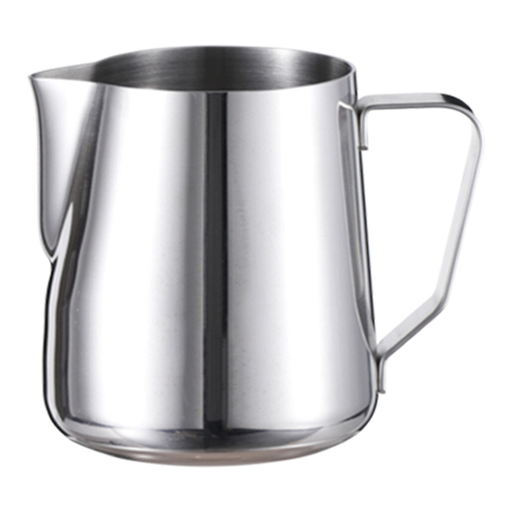
Why this product suits this profile: The jug is designed for frothing and pouring milk, with a 350 ml capacity for cappuccino, latte and simple latte art applications.
The material and capacity are clearly specified. This makes it easy to check whether the jug is suitable for your existing steam frother or milk frother.
Stainless steel construction, 350 ml capacity and compact dimensions according to the product data.

Why this product suits this profile: According to the product description, the tablets are intended for selected Siemens EQ bean-to-cup and built-in appliances, supporting appliance-specific cleaning.
The compatibility list limits where the tablets can be used. This helps prevent them from being used in an appliance for which they are not intended without checking first.
10 tablets per pack, with an odourless, chlorine-free formula according to the product data.
We have put together a complete, regularly updated list of products that fully meet these strict selection criteria and the safety regulations applicable in the EU.
A coffee gift should be compatible with the recipient’s existing system. Small espresso cups are ideal for espresso lovers, such as a set of double-walled glasses or ceramic cups. If the recipient already owns a coffee machine, a suitable milk frother, milk jug or compatible cleaning tablets can add practical barista accessories.
Care is particularly important with gift sets featuring gold decoration: according to the product description, the Wedgwood set with espresso cup and saucer is dishwasher-safe but not suitable for microwave use. Before buying, you should also check whether the cup is stackable and how much space is available in the kitchen cupboard.
Small espresso cups holding around 7 to 10 cl are standard for espresso. An 80 ml cup or a 7-cl glass provides space for espresso and ristretto. For cappuccino, larger cups with a capacity of approximately 150 to 200 ml are a sensible choice.
This depends on the appliance, water hardness and frequency of use. Parts that come into contact with milk should be cleaned after every use. With bean-to-cup machines, the manufacturer’s indicators and recommended intervals are decisive. Coffee cleaning tablets should only be used if they are compatible with the specific model.
A capsule machine can be a sensible choice if easy preparation, a short heat-up time and consistent serving sizes are the priorities. You should also consider ongoing capsule costs, the available system options and how used capsules are disposed of. For anyone who wants to control the grind size and extraction themselves, a portafilter espresso machine offers greater flexibility, but requires more time and care.