Joybuy Insights

Coffee Buyer’s Guide to Avoiding Costly Purchasing Mistakes

The range of coffee accessories can be overwhelming. From a simple filter paper to a specialised barista tool, every product promises a better coffee experience. However, ill-considered purchases often lead to frustration and unnecessary expense. Before you invest, it's wise to understand the most common pitfalls, which are often hidden behind glossy marketing.

This guide focuses on the objective criteria that truly matter, helping you identify products that will reliably serve their purpose.

Common Pitfalls When Buying Coffee Accessories

  1. The Compatibility Trap: A common problem is buying an accessory that doesn't fit your existing equipment. A water filter for the wrong brand, a coffee press with a hard-to-find replacement carafe, or coffee filters in the wrong size are classic examples. The result is useless accessories and wasted money.
  2. The Material Fallacy: Many products look high-quality at first glance but reveal their weaknesses only with use. A French press made of thin-walled glass can crack with temperature changes, and low-grade plastic parts on a coffee machine can quickly become brittle. A product's longevity is directly dependent on the quality of the materials used.
  3. Feature Overload: Some devices advertise a multitude of "pro features" that are irrelevant for daily use. A complex aroma selection or special brewing programs drive up the price but are rarely, if ever, used by most people.

What Really Matters When Making a Choice

To avoid these mistakes, you should focus on a few crucial technical parameters. These form the basis for an informed purchasing decision.

Core Parameter 1: Material Quality and Precision Fit

Choosing the right material and verifying the dimensions are critical for the functionality and lifespan of your accessories.

  • For Coffee Makers: With a French press, look for borosilicate glass. This material is more resistant to thermal shock than conventional glass. The frame and the plunger assembly should be made from rust-proof stainless steel (e.g., 18/10 stainless steel) to prevent corrosion.
  • For Drip Coffee: The size of the coffee filters must precisely match your drip coffee machine or your pour-over coffee set. Common sizes are 1x4 or size 2. Unbleached filter paper can be a good choice to minimise any potential paper taste in the coffee.
  • For Bean-to-Cup Machines:Water filters for fully automatic coffee machines are model-specific. Before purchasing, check carefully whether the cartridge is compatible with your machine (e.g., as a replacement for Krups F088 or DeLonghi DLSC002). A compatible filter protects the machine from limescale buildup.
  • For Espresso Lovers: Specialised barista accessories like a puck screen must be precisely matched to the diameter of the portafilter. For example, a 58.5 mm puck screen is designed for professional 58 mm portafilters.

Core Parameter 2: Brewing Method and Capacity

The preparation method and the size of the device should match your drinking habits and the number of people in your household.

  • Flavour Profile: A drip coffee machine with a paper filter produces a clean, nuanced coffee, as the paper retains oils and fine particles. A French press, on the other hand, uses a metal mesh filter, which results in a fuller-bodied, more robust coffee.
  • Capacity: A single-person household can often make do with a coffee maker with a 350 ml capacity. For families or the office, a machine with a capacity of 1.2 to 1.5 litres (approx. 10–14 cups) is a more practical solution.

Recommended for Your Needs

Here are some product suggestions tailored to specific use cases and the quality criteria mentioned above.
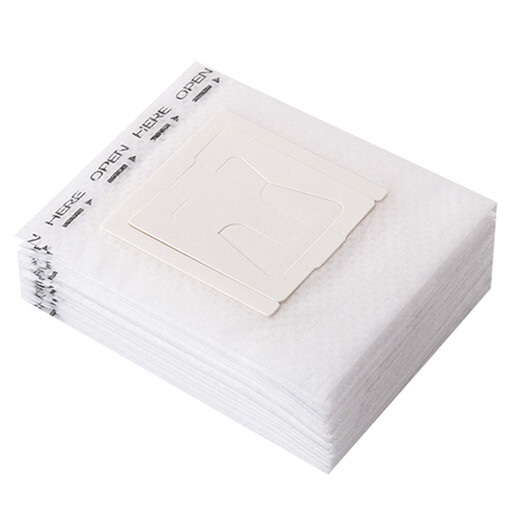
MATCH FOR: The On-the-Go Lifestyle
Maxcook 50pcs Portable Drip Coffee Filter Bags with Hanging Ear, Single Serve Disposable, Perfect for Travel, Camping, Home & Office

Maxcook 50pcs Portable Drip Coffee Filter Bags with Hanging Ear, Single Serve Disposable, Perfect for Travel, Camping, Home & Office

Why This Fits Their Persona: A practical solution for those who don't want to give up freshly brewed coffee while travelling, in the office, or camping, without having to carry a machine.

How It Avoids the Trap

Completely bypasses the compatibility trap. The hanging-ear design fits most standard cups and mugs, so no special equipment is needed.

Key Advantage & Pros

Extremely compact and easy to transport. The non-woven fabric material ensures an even extraction of the coffee grounds.
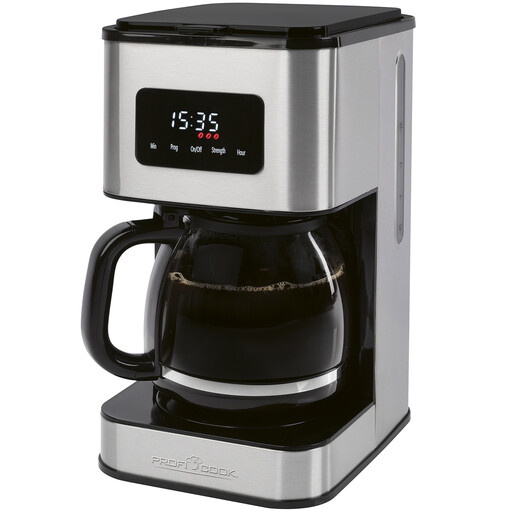
MATCH FOR: Classic Drip Coffee Enjoyment
ProfiCook Filter Coffee Machine with Glass Jug, for up to 14 Cups of Coffee, Aroma Selection, Drip Stop, with Time Display, with Stainless Steel Housing, 900W, PC KA 1299

ProfiCook Filter Coffee Machine with Glass Jug, for up to 14 Cups of Coffee, Aroma Selection, Drip Stop, with Time Display, with Stainless Steel Housing, 900W, PC KA 1299

Why This Fits Their Persona: Suitable for households or offices that regularly prepare larger quantities of classic drip coffee and value convenience and reliability.

How It Avoids the Trap

Avoids feature overload by focusing on useful functions like a programmable timer and a three-level aroma selection. The stainless steel housing counteracts the material fallacy.

Key Advantage & Pros

Large capacity of approx. 1.5 litres. The programmable timer allows for freshly brewed coffee right after waking up.
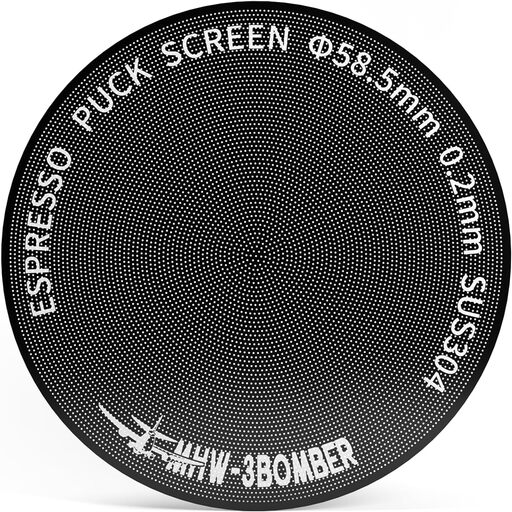
MATCH FOR: The Home Barista
【buy 2 get 45% off】MHW-3BOMBER Puck Screen 58.5 mm - 0.2 mm Ultra Fine Titanium Coated Espresso Strainer, Reusable Metal Filter for 58 mm Portafilters, Espresso Accessories for Baristas, Model: FG5642-OS

【buy 2 get 45% off】MHW-3BOMBER Puck Screen 58.5 mm - 0.2 mm Ultra Fine Titanium Coated Espresso Strainer, Reusable Metal Filter for 58 mm Portafilters, Espresso Accessories for Baristas, Model: FG5642-OS

Why This Fits Their Persona: A specialised tool for espresso enthusiasts who want to optimise their extraction and keep their espresso machine cleaner.

How It Avoids the Trap

Addresses the material fallacy by using durable, titanium-coated stainless steel. The precise 58.5 mm fit for 58 mm portafilters solves the compatibility issue for standard espresso machines.

Key Advantage & Pros

Promotes even water distribution and reduces channelling. Keeps the brew group cleaner and simplifies cleaning.
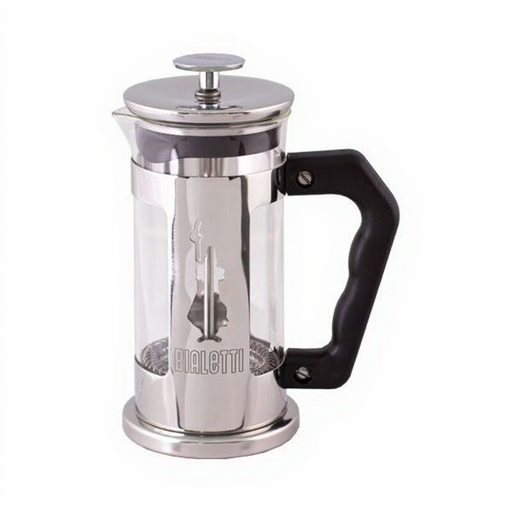
MATCH FOR: The Purist's Choice
Bialetti Preziosa Coffee Press, French Press Filter for Coffee or Tea, Stainless Steel Housing and Borosilicate Glass Container, Dishwasher Safe, 350ml, for 3 Cups.

Bialetti Preziosa Coffee Press, French Press Filter for Coffee or Tea, Stainless Steel Housing and Borosilicate Glass Container, Dishwasher Safe, 350ml, for 3 Cups.

Why This Fits Their Persona: Ideal for coffee drinkers who prefer the full-bodied taste of French press coffee and appreciate a manual, controlled brewing process without electronics.

How It Avoids the Trap

Tackles the material issue with a robust construction of 18/10 stainless steel and heat-resistant borosilicate glass. The simple, mechanical design is durable and free of fragile electronics.

Key Advantage & Pros

Produces a strong, aromatic coffee. The carafe is dishwasher-safe, making it easy to clean.

Looking for More Options?

We have compiled a complete, real-time list of products that fully satisfy these strict selection criteria and UK safety regulations.

Frequently Asked Questions (FAQ)

What is the right coffee filter size for my machine?

The most common size for most household drip coffee machines is size 4 (often labelled as 1x4). For pour-over methods or smaller machines, cone filters in sizes #1, #2, or #4 are also common. The correct size is crucial for optimal extraction. Checking your coffee machine's user manual will provide a reliable answer.

How often should I change the water filter in my bean-to-cup machine?

Most manufacturers recommend changing the water filter every two months or after a specific volume of water has been used (e.g., 50 litres). This largely depends on your local water hardness. Regular replacement is important as it protects the machine from limescale buildup, extends the device's lifespan, and contributes to a consistent coffee taste.

What is the taste difference between coffee from a French press and a drip coffee machine?

The main difference lies in the filtration system. A French press uses a metal mesh filter that allows coffee oils and the finest suspended particles to pass through. The result is a coffee with a full body and a rich texture. A drip coffee machine uses a paper filter, which absorbs these oils and particles. This makes the coffee clearer, cleaner, and often more nuanced in flavour, allowing finer aromas to stand out.