
Lieferung heute & morgen

Qualitätsgarantie

Willkommens-Angebote freischalten: KOSTENLOSE Lieferung | Bis zu 80 % RABATT | Kostenlose 30-Tage-JoyPlus-Testphase
App herunterladen
As a Joybuy Product Recommendation Officer, I see the passion coffee enthusiasts pour into crafting their perfect espresso every day. Yet, the path to perfection is often paved with unnecessary expenses and frustration. Many well-intentioned purchases turn out to be impractical, either because they don't fit the user's machine or are made from low-quality materials. This guide is designed to help you navigate the most common pitfalls and make informed choices, selecting the coffee accessories that will genuinely elevate your at-home coffee experience.
The three most common mistakes when buying coffee accessories:
To avoid these mistakes, you should check a few fundamental technical parameters before making a purchase. These are more crucial than any marketing promise.
The most critical measurement for any espresso machine owner is the inner diameter of the portafilter. This determines whether accessories like tampers, dosing rings, or distribution tools will fit. The most common sizes are:
Before purchasing, always check your machine's user manual or the manufacturer's specifications online to determine the correct diameter. An ill-fitting tamper leads to uneven extraction (channelling), and a dosing ring that's too small won't serve its purpose.
For any accessory that comes into direct contact with coffee grounds, water, or milk, the choice of material is critical. Look for products made from food-grade stainless steel. This material is rust-proof, flavour-neutral, and durable. A milk frothing pitcher made of polished stainless steel not only allows for hygienic cleaning but also aids in creating fine-pored microfoam thanks to its thermal conductivity. With a coffee tamper, a solid stainless steel base provides the necessary weight and a flat surface for even pressure.
Regular and proper cleaning is not an optional step but the foundation for consistently great coffee and a long-lasting machine. Coffee oils and residues build up in the brew group and turn rancid over time, spoiling the taste of every subsequent espresso. Limescale buildup can block heating elements and water lines. Use cleaning and descaling agents that are recommended by your machine's manufacturer or are explicitly formulated for coffee machines. Aggressive household cleaners can damage seals and metal parts.
Based on these objective criteria, we have identified several products that are a valuable addition for specific user profiles.
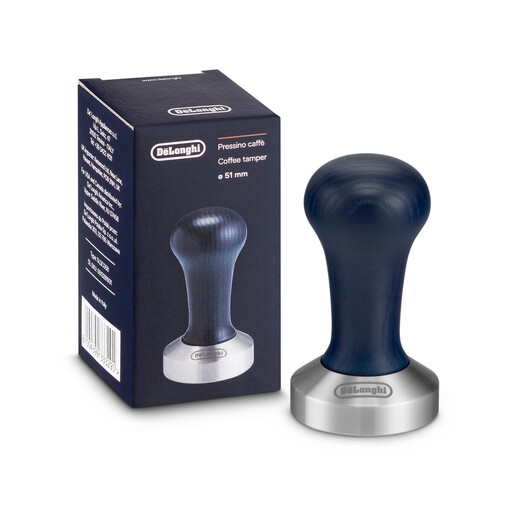
Why This Fits Their Persona: Ideal for owners of common entry-level machines with 51 mm portafilters. It replaces the often-included plastic tamper with a solid, functional tool, providing a fundamental upgrade for espresso extraction.
It sidesteps the incompatibility trap with its clearly defined 51 mm diameter. The stainless steel base and ash wood handle avoid the material trap.
Solid stainless steel base for even tamping; ergonomic wooden handle for a comfortable grip.
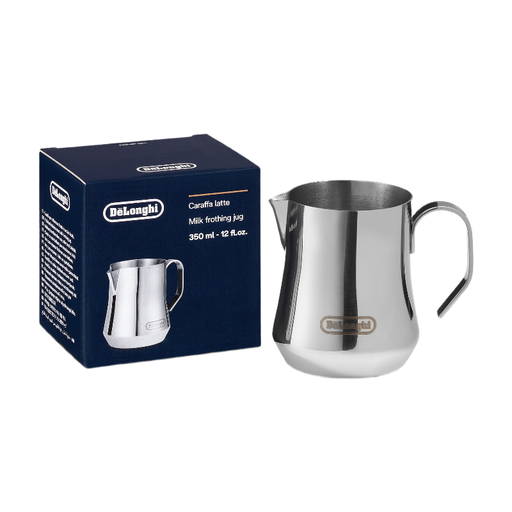
Why This Fits Their Persona: For anyone who wants to prepare cappuccinos and latte macchiatos with perfect milk foam. The shape and specialised spout are designed for creating microfoam and pouring latte art with precision.
Made from polished stainless steel, it bypasses the material trap. Its functionality isn't over-engineered but focused on a clear purpose: control during frothing and pouring.
Specialised spout for precise pouring; dishwasher-safe for easy cleaning.
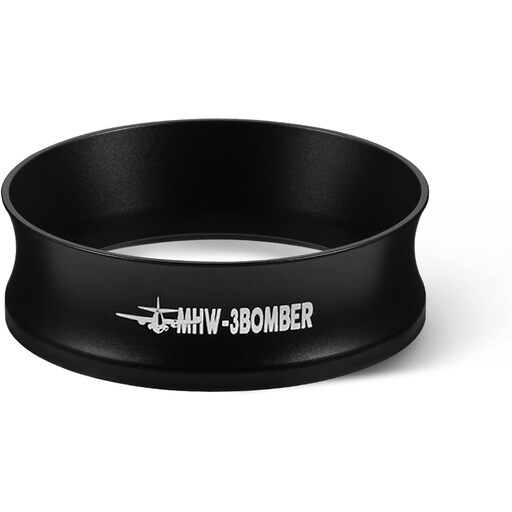
Why This Fits Their Persona: This tool solves a common problem: coffee grounds spilling over the side of the portafilter during grinding or distribution. It ensures a clean workflow, precise dosing, and less waste.
It solves a practical problem rather than just being a gimmick. The clear 54 mm size specification prevents a bad purchase. The magnetic attachment is a functional detail, not an empty promise.
Magnetic attachment for a stable fit; prevents loss of coffee grounds and keeps the workspace clean.
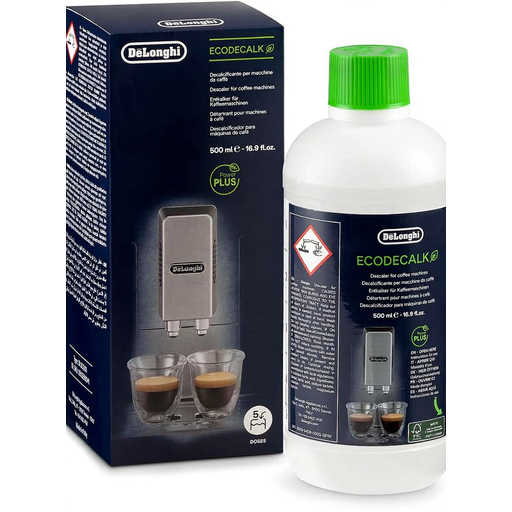
Why This Fits Their Persona: For machine owners who want to preserve the value of their equipment. They understand that using a descaler developed by the manufacturer minimises the risk of damage and ensures the machine's performance.
Directly addresses the trap of neglected maintenance. Using a specific product like EcoDecalk, which is based on plant-based lactic acid according to the manufacturer, is a material-safe alternative to harsh universal descalers.
Effectively reduces limescale buildup; universally recommended for De'Longhi coffee machines.
We've compiled a complete, up-to-date list of products that meet these strict selection criteria and comply with current regulations.
The frequency depends on your usage and the water hardness in your area. A good rule of thumb for brew group cleaning (with cleaning tablets or by backflushing) is every 200 cups or at least once a month to remove coffee oils. Descaling is automatically indicated by most modern machines. If there's no indicator, it's advisable to descale every two to three months, or more frequently with very hard water.
The most reliable method is to check the user manual for your espresso machine. Alternatively, you can often find this information on the manufacturer's product page under technical specifications. If you're unsure, you can also carefully measure the inner diameter of the filter basket with a ruler or calipers.
A bottomless portafilter is an excellent diagnostic tool. It unforgivingly reveals flaws in your puck prep (grind size, distribution, tamping) by making uneven extraction (channelling) visible. For beginners looking to improve their technique, it can be very educational. However, it requires a more precise workflow, as spurts from a flawed extraction can create a mess. It is, therefore, a worthwhile investment for anyone who wants to master the art of espresso preparation.