
Lieferung heute & morgen

Qualitätsgarantie

Willkommens-Angebote freischalten: KOSTENLOSE Lieferung | Bis zu 80 % RABATT | Kostenlose 30-Tage-JoyPlus-Testphase
App herunterladen
A 1 kg pack of coffee beans is a practical choice for households, offices and regular coffee drinkers. Whole coffee beans can be freshly ground to suit different brewing methods and are available in a wide range of roast profiles. Options range from mild Arabica beans and balanced Caffè Crema blends to full-bodied 1 kg espresso beans.
However, the pack size alone says little about whether a coffee will suit your machine and personal taste. The key factors are roast level, bean blend, brewing method and storage.
A high intensity rating usually describes the flavour profile, roast or perceived strength. It does not provide a reliable indication of caffeine content. A darkly roasted coffee may taste intense, while a lighter roast also contains caffeine.
Many products are marketed as versatile. Nevertheless, automatic coffee machines, portafilter machines, moka pots, French presses and filter coffee makers require different grind sizes and, in some cases, different bean profiles. For an automatic machine, for example, consistent settings and a suitable roast profile are important. Whole beans must first be ground for pour-over or French press brewing.
A large bulk pack can reduce the price per kilogram. However, if the pack is used slowly and not sealed properly, the aroma will deteriorate more quickly after opening. A 1 kg pack of coffee beans can make sense for a busy office; in households that drink only a few cups a day, storage should be considered carefully.
The roast level influences body, acidity and roasted flavours:
Also look for specific tasting notes such as chocolate, nuts, dried fruit or cereal. These descriptions are useful guides, but they do not guarantee a particular flavour experience.
Arabica and Robusta coffee beans combine different characteristics. Arabica is often associated with more refined aromas and a milder profile. Robusta can contribute greater body and a more pronounced crema. A blend is therefore not automatically superior or easier to assess; it should match your preferred brewing method.
The products listed here include both pure Arabica options and blends. According to the product description, Dallmayr Crema d’Oro Selektion des Jahres consists of 100% Arabica beans. Lavazza Qualità Rossa is described as an Arabica–Robusta blend with a medium roast and an intensity rating of 5/10.
For coffee beans for automatic coffee machines, medium to more robust Caffè Crema and espresso roasts are often practical choices. The precise setting depends on the machine, water volume and desired strength.
For coffee for portafilter machines, the beans should be suitable for a finer grind and controlled extraction. In one recommended example, Lavazza specifies 18–20 g of ground coffee, a brewing temperature of around 93°C and an extraction time of approximately 25–30 seconds for its Barista Gran Crema. These are the manufacturer’s recommendations and may need to be adjusted depending on the equipment.
French press and filter coffee require coarse or medium grind sizes. Not every dark espresso roast will automatically produce a balanced filter coffee profile.
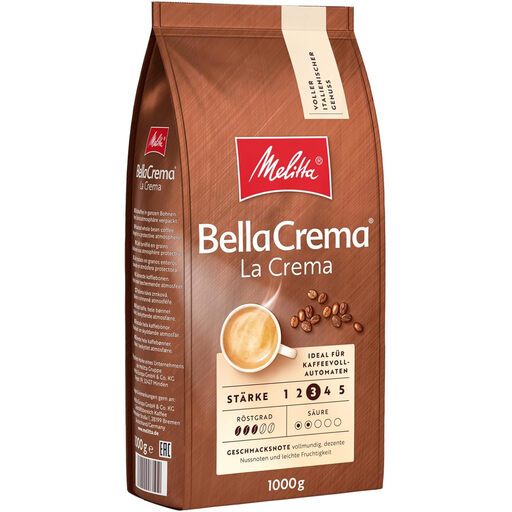
Why it is a good fit: According to the product description, the medium roast with an intensity rating of 3 is designed for automatic coffee machines and can also be used for other brewing methods after grinding.
The description specifies the roast level, pack size and a concrete dosage of approximately 7–9 g per 150 ml. This makes the choice more transparent than relying on advertising language alone.
1,000 g pack, whole beans, medium roast and, according to the product information, roasted in Germany.
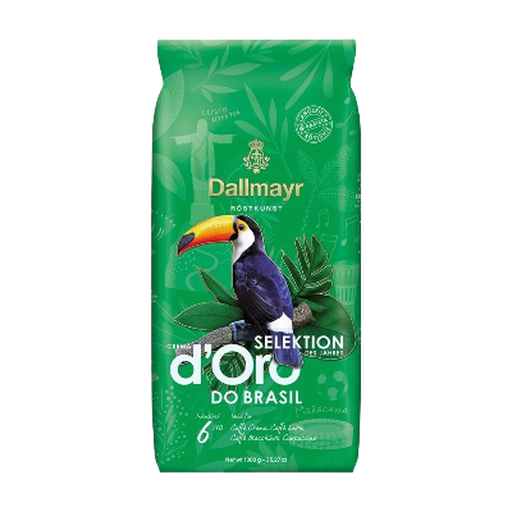
Why it is a good fit: The product description lists 100% Arabica beans along with nutty and subtly chocolatey notes. This may appeal to those who prefer a less roast-driven flavour profile.
The bean selection is clearly specified. Buyers do not have to rely solely on terms such as “full-bodied” or “aromatic”.
100% Arabica according to the product data, Brazil listed as the origin and guidance on storage protected from light and odours.
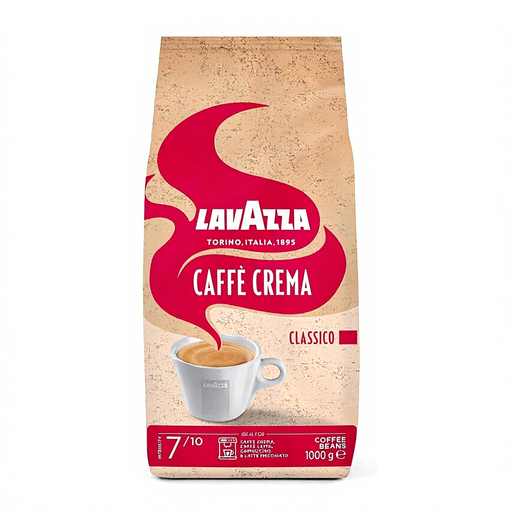
Why it is a good fit: According to the product description, this medium-roasted Italian Caffè Crema is intended for automatic coffee machines and milk-based coffee specialities.
The intended use and medium roast are clearly stated. This makes it easier to assess for households or offices preparing several cups a day with an automatic machine.
1 kg bag, whole beans, medium roast and, according to the product information, a long shelf life while unopened.
The full overview features more 1 kg coffee bean options, organised by roast level, bean blend and intended brewing method.
After opening, coffee beans should be stored in a cool, dry place protected from light. Seal the bag carefully after every use or transfer the beans to an airtight container. Strong odours and moisture can impair the aroma. Refrigeration is not generally necessary and can cause problems through condensation.
A simple calculation helps with consumption planning: at 8 g per cup, a 1 kg bag will theoretically make around 125 cups. At 10 g, that figure is approximately 100 cups. Actual consumption depends on grind size, beverage type, machine and personal dosage.
At a dosage of 8 to 10 g per cup, the pack will make approximately 100 to 125 cups. In a two-person household where each person drinks two cups a day, one bag can therefore last several weeks. Once opened, a tight seal is especially important.
Caffè Crema beans, medium roasts and espresso blends are often suitable for automatic coffee machines. Check the manufacturer’s information on the intended brewing method. For cappuccino or latte macchiato, bolder intense coffee beans may be a good choice, while a milder roast is often better suited to balanced long coffees.
Italian coffee beans can be suitable for portafilter machines when the roast profile and grind size match the equipment. Many espresso roasts are finely ground and prepared with a controlled extraction time. The decisive factors are not simply the country of origin or brand name, but the bean blend, roast and the settings for dose, grind size and water volume.