
Lieferung heute & morgen

Qualitätsgarantie

Willkommens-Angebote freischalten: KOSTENLOSE Lieferung | Bis zu 80 % RABATT | Kostenlose 30-Tage-JoyPlus-Testphase
App herunterladen
The selection of coffee beans on the market can be overwhelming. Packaging tempts you with enticing terms, yet these marketing promises often lead to a disappointing coffee experience. Before you make a decision, it's helpful to know the most common pitfalls that can lead to a bad purchase.
A common misconception is that the "100% Arabica" label automatically guarantees high quality. While Arabica beans are known for their delicate aromas, a blend with a percentage of Robusta beans can provide a fuller body and a more stable crema, which is especially prized in espresso beans. Another point is freshness: the roast date on the packaging is often ignored. Beans roasted several months ago have already lost a significant portion of their aroma, regardless of the raw bean's quality. Finally, terms like "Gourmet" or "Premium" are not legally protected and often serve only a marketing purpose, without making a verifiable claim about quality.
To find the right beans for your needs, you should focus on objective criteria. These three factors are crucial for the result in your cup.
The choice between Arabica, Robusta, or a blend is one of the most fundamental decisions.
A blend can combine the characteristics of both varieties: the aromatic complexity of Arabica with the full body and crema of Robusta.
Roasting develops the more than 800 aromas in the coffee bean. The roast level has a direct impact on the taste.
Not every bean is right for every machine. Compatibility is crucial for a good result.
Here are some recommendations tailored to different preferences and use cases.
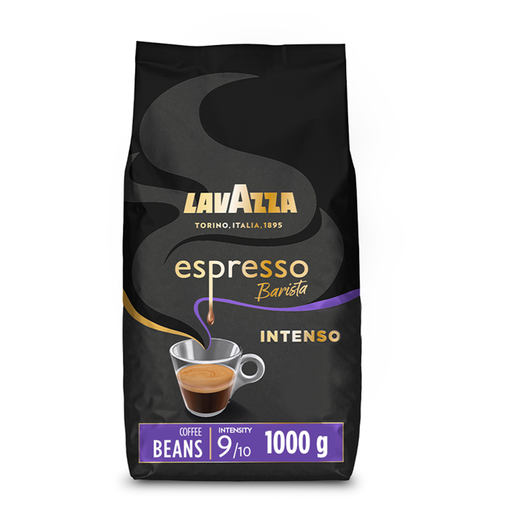
Why This Fits Their Persona: This blend was specifically developed for preparing a professional-quality espresso at home. It targets users seeking an intense, full-bodied flavour with a long-lasting aftertaste, just like one would find in an Italian coffee bar.
Instead of a vague "gourmet" promise, this product provides clear details: a blend of Arabica and Robusta with an intensity level of 9/10 and notes of cocoa and wood. This is a concrete description, not an empty marketing phrase.
The blend of Arabica and Robusta ensures a velvety, long-lasting crema. The beans are optimised for portafilter machines and fully automatic coffee makers.
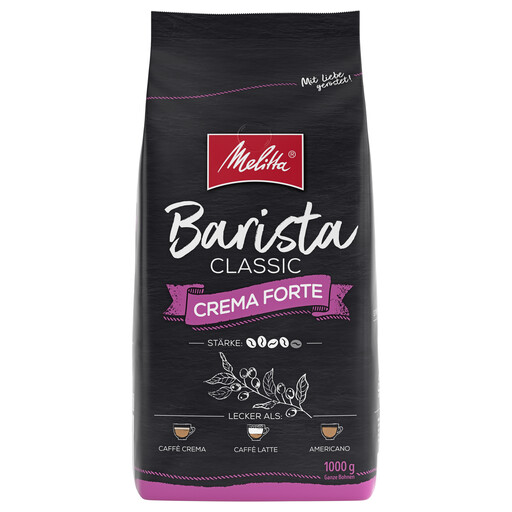
Why This Fits Their Persona: Ideal for users of fully automatic machines who want to easily prepare a strong Caffè Crema or Café Latte. The versatility for various brewing methods makes this bean a practical, all-round solution for daily use.
This product bypasses the "100% Arabica" trap by intentionally using a balanced blend of Arabica and Robusta. This is clearly communicated and serves the purpose of achieving a robust flavour and a good crema.
The beans are suitable for a wide range of brewing methods, from fully automatic machines to the French Press. The 4 out of 5 strength rating and the strong roast ensure a full-bodied result.
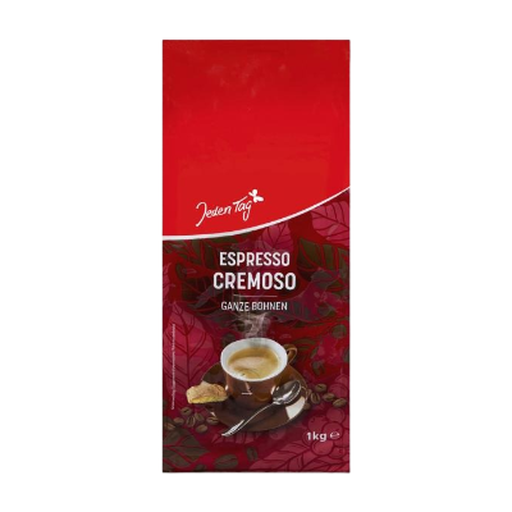
Why This Fits Their Persona: For coffee drinkers who want to enjoy a solid espresso daily without a large budget. This product combines an attractive price with an organic certification (DE-?KO-003) and is specifically designed for fully automatic machines.
Instead of vague quality promises, this product offers a concrete, verifiable feature: its organic certification. This gives the buyer an objective basis for their decision that goes beyond pure marketing.
Offers great value for a 1kg bag of whole beans. Its suitability for fully automatic machines makes it a straightforward choice for daily use.
We have compiled a complete, up-to-date list of products that fully meet these strict selection criteria.
To maximise freshness, you should seal the 1kg bag of whole beans in an airtight container after opening. An opaque, airtight container stored in a cool, dry place is ideal. Avoid the refrigerator, as condensation and foreign odours can impair the aroma. Always grind the beans just before brewing.
The main difference lies in the roast. Espresso beans are typically roasted longer and darker than beans for filter coffee. This dark roast method reduces acidity and brings out strong, chocolatey flavours. Espresso blends also often contain a portion of Robusta beans to ensure a stable crema, whereas filter coffee blends are frequently made from 100% Arabica.
A higher price is not necessarily a guarantee of better quality. Factors like origin, harvesting method, and Fair Trade or organic certifications can influence the price. More important than the price are objective criteria such as the roast level, the bean variety, and, above all, the roast date. A freshly roasted bean from a lesser-known brand can often provide a better taste experience than an expensive but old bean from a well-known brand.