
Lieferung heute & morgen

Qualitätsgarantie

Willkommens-Angebote freischalten: KOSTENLOSE Lieferung | Bis zu 80 % RABATT | Kostenlose 30-Tage-JoyPlus-Testphase
App herunterladen
Choosing the right coffee beans can be a challenge given the countless options on the market. Packaging may advertise tempting descriptions, but not every bean delivers on its promise. As your Joybuy Product Recommendation Officer, I'm here to help you separate the wheat from the chaff and make an informed decision that suits your taste and your coffee machine.
Many coffee lovers invest in high-end machines but underestimate the importance of the beans themselves. The result is often a disappointing coffee, even with the right equipment. So, before you grab the next bag, you should be aware of the following common pitfalls:
To avoid a bad buy, you should focus on objective criteria that define the character of the coffee. These three parameters are crucial for your coffee experience.
The choice of bean variety is the foundation of your coffee's flavour profile. The two main players on the world market are Arabica and Robusta, which differ significantly in taste, caffeine content, and crema formation.
For a classic Italian coffee or espresso, a blend of Arabica and Robusta is often ideal. It combines the aromatic diversity of Arabica with the full body and excellent crema of Robusta.
Roasting transforms the green, raw bean into the aromatic product we know. The roast level has a direct impact on the taste:
Not every bean is suitable for every machine. Owners of coffee for super-automatic machines should be particularly careful: very oily, dark-roasted beans can gum up the grinder and cause damage in the long run. A medium roast is often the safer and more balanced choice here. For portafilter machines, on the other hand, classic espresso blends, including those with a Robusta component, are excellently suited for extracting an intense espresso with a perfect crema.
To help you make your decision, we have matched some products from our range to different user profiles.
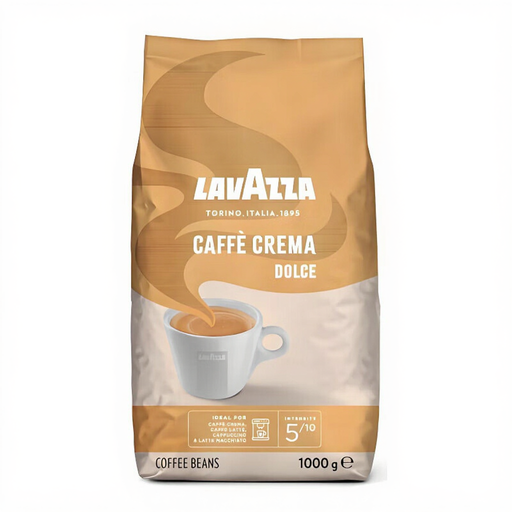
Why this fits the profile: These beans are specially optimised for super-automatic coffee machines. You're looking for a hassle-free, everyday coffee that works well as a Caffè Crema and as a base for cappuccino.
The medium roast prevents oily beans that could strain the super-automatic machine's grinder. The blend of Arabica and Robusta ensures a balanced taste experience that goes beyond a simple "100% Arabica" focus.
Balanced, sweet flavour profile with notes of dried fruit. Produces a velvety, long-lasting crema that is ideal for Caffè Crema.
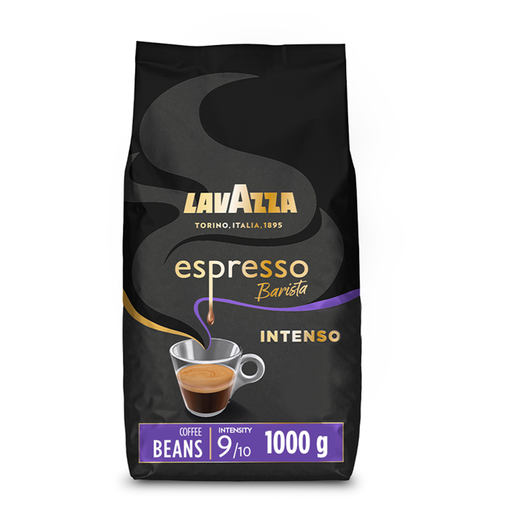
Why this fits the profile: You use a portafilter machine and are looking for an intense, full-bodied espresso with character, reminiscent of an Italian coffee bar.
This blend proves that a Robusta component can be crucial for high-quality espresso. It delivers a more stable and denser crema than a pure Arabica blend often can.
Intense flavour profile with notes of cocoa and wood. The special blend of Arabica and Robusta ensures a long-lasting aftertaste and a velvety crema.
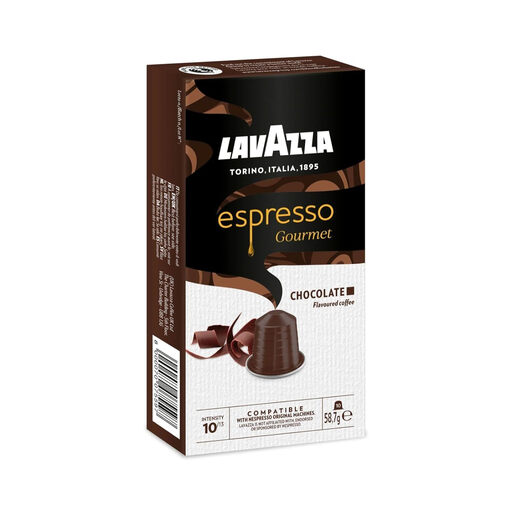
Why this fits the profile: You appreciate the quick and clean preparation with your Nespresso Original machine and are looking for a flavourful change of pace from classic espresso.
Capsule systems solve the problem of incorrect grind size and freshness, as each portion is individually sealed. You get a consistent result without the effort.
Offers a special taste experience with natural chocolate flavour. The aluminium capsules are compatible with Nespresso Original machines and guarantee easy preparation.
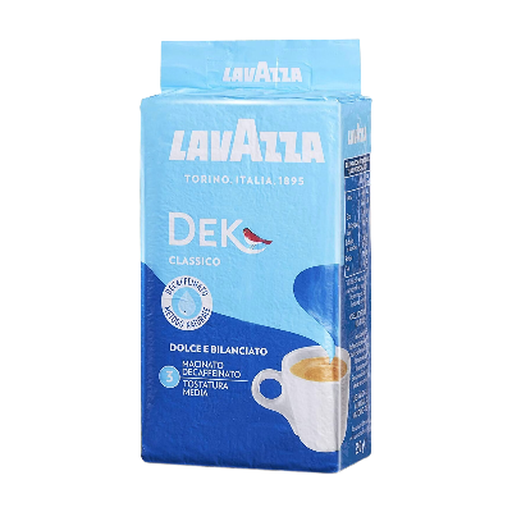
Why this fits the profile: You want to enjoy the full flavour of an Italian coffee but wish to avoid caffeine—whether it's for the evening or for health reasons.
Many decaffeinated coffees taste watery. Lavazza uses a process that, according to the manufacturer, preserves the coffee's aromas and body, so there's no need to compromise on taste.
Offers a balanced and aromatic taste experience without caffeine. As ground coffee, it is ready to use for various preparation methods like the Moka pot or filter.
We have compiled a complete, up-to-date list of products that meet these strict selection criteria and quality standards.
1. How do I store coffee beans correctly to maintain freshness? After opening, store your coffee beans in an airtight, opaque container in a cool, dry place. Avoid the refrigerator, as condensation and foreign odours can harm the aroma. Ideally, grind the beans just before brewing.
2. Are oily coffee beans a problem for my super-automatic machine? Yes, they can be. Very dark-roasted beans release oils that can build up in the grinder and cause it to clog. This can impair the machine's performance and, in the worst case, lead to defects. For most super-automatic machines, medium roasts without a visible oily film on the beans are a better choice.
3. What is the difference between espresso beans and regular coffee beans? In principle, any coffee bean can be used for espresso. However, the term "espresso beans" typically refers to a specific roast and blend optimised for espresso preparation. This is usually a medium to dark roast and often a blend of Arabica and Robusta beans to achieve a strong body and a stable crema. Filter coffee beans, on the other hand, are often roasted lighter to emphasise their more delicate acids and aromas.