If you’re looking for a calorie-conscious snack to enjoy with your afternoon coffee, start by comparing the kcal per 100 g, then consider how much you actually plan to eat. ‘Light’, ‘lower fat’ or ‘protein’ doesn’t automatically mean fewer calories. Salt, ingredients and allergens are separate things to consider.
Which checks matter to you?
Portion-conscious coffee-break snackers
You fancy something crunchy with your coffee and want to be able to estimate the kcal in the amount you actually eat. The per-100 g figure makes products easy to compare; a stated portion can also help, as long as it matches the amount you’d normally eat.
Protein-conscious snackers
You keep an eye on protein, but don’t want to lose sight of calories and salt. The North Rhine-Westphalia Consumer Advice Centre points out that a lower fat content in alternative snacks doesn’t automatically mean a corresponding reduction in calories.
Snack-mix shoppers mindful of allergens and salt
When choosing a mix, you first check whether its ingredients and allergen information meet your requirements. For savoury snacks, compare the salt content alongside the kcal, too.
What should you look for when buying?
First decide what matters most for your coffee break. Then compare the nutritional information for similar types of snack per 100 g, taking your planned portion into account.
| Criteria |
What to check |
Who it matters to |
| Calories per portion |
Compare kcal per 100 g, then work out the figure for the amount you plan to eat. |
If I want a small snack with my coffee, I need to be able to estimate the energy in the portion I’ll actually eat. This is the main consideration for around 36% of consumers. |
| Ingredients and allergens |
Check the ingredients and allergen information on the specific pack, especially for mixes made up of several components. |
Before eating a mix, I need to know whether all its ingredients are suitable for me. Around 29% of consumers put ingredients and allergens first. |
| Protein |
Compare protein, kcal and salt per 100 g rather than relying only on the information on the front of the pack. |
If I’m looking for a protein-focused snack, I don’t want to overlook its energy or salt content. Protein is the main concern for around 21% of consumers. |
| Salt |
Compare the salt figures per 100 g; a portion figure is only useful if it reflects the amount you’ll eat. |
With a savoury snack, I want to know how much salt it contains. Around 14% of consumers make this their top priority. |
Common comparison mistakes
-
Assuming ‘lower fat’ means fewer calories
A lower fat content doesn’t automatically mean a comparable reduction in calories. The North Rhine-Westphalia Consumer Advice Centre specifically highlights this distinction when discussing alternative snacks.
Compare energy and fat per 100 g, then decide based on the portion you plan to eat.
-
Reading only the information on the front of the pack
Claims such as ‘light’ or ‘high protein’ highlight specific qualities. The full nutritional information and ingredients list are still important when choosing a product.
Check the kcal, salt and any ingredients that matter to you on the pack.
-
Comparing dry snack mixes directly with frozen snacks
The Paprinos Snack-Mix from ALDI SÜD is a frozen product that needs to be prepared, not a dry snack mix. The product format and eating occasion are different. ALDI SÜD also notes that nutritional information may vary by supplier.
Start by comparing snacks of the same type. For frozen products, check the pack and consider how much you’ll prepare.
-
Overlooking salt and allergens alongside the kcal
According to EDEKA, the GUT&GÜNSTIG Snack-Mix contains 2.9 g of salt per 100 g and includes wheat, sesame, barley and milk.
If you have allergies, always check the information on the specific pack. For savoury snacks, compare the salt content as well as the energy.
Notable brands and product examples
Lorenz
ErdnußLocken Leicht is an example of peanut puffs, rather than a multi-ingredient mix.
- Lorenz advertises the product as containing 30% less fat than conventional peanut puffs.
- The specific product is listed as containing 463 kcal per 100 g. It contains peanuts and may contain milk and gluten; comparing fat alone doesn’t answer the question of calories.
funny-frisch
Protein Chips Barbecue Style are a crunchy alternative to a classic snack mix for shoppers who also keep an eye on protein.
- funny-frisch lists a 30 g portion of this specific product as containing 133 kcal.
- It contains 443 kcal and 1.9 g of salt per 100 g. The portion figure is only relevant if you actually eat 30 g.
EDEKA / GUT&GÜNSTIG
The GUT&GÜNSTIG Snack-Mix is a savoury blend of eight components.
- EDEKA lists this product as containing 452 kcal and 16.2 g of fat per 100 g.
- With 2.9 g of salt per 100 g and several declared allergens, the salt content and information on the specific pack are also important when choosing.
ALDI SÜD / SPEISEZEIT
The Paprinos Snack-Mix is a frozen product that needs to be prepared, making it a different type of snack from dry snack mixes.
- ALDI SÜD’s product listing gives 272 kcal per 100 g.
- A direct comparison based on kcal per 100 g alone doesn’t account for the different preparation method. ALDI SÜD also notes that nutritional information may vary by supplier.
Lidl / Alesto
Alesto is worth considering if you’re looking for nuts, nut mixes or dried fruit instead of snack mixes.
- Lidl describes the Alesto range as including various nuts, nut mixes and dried fruit.
- The brand description doesn’t tell you the kcal in a specific product. Check the nutritional information for the product you choose and consider how much you plan to eat.
A snack alternative at Joybuy
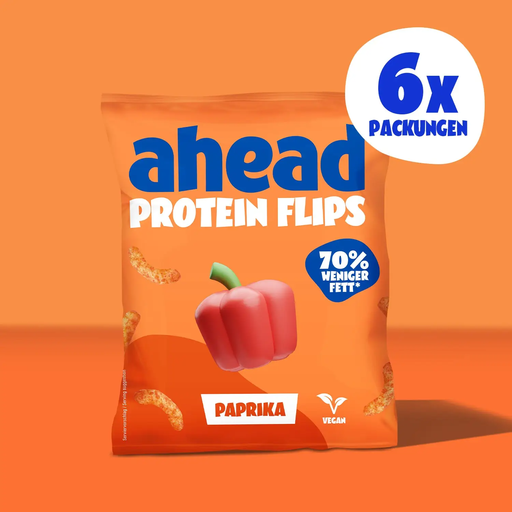
This selection features a portionable protein snack as an alternative to a classic multi-ingredient mix. For your coffee break, compare the amount in each pack with the portion you plan to eat.
 No image available
ahead Protein Flips Paprika, Tray mit 6 × 50 g
The 50 g packs are handy if you want to plan a set amount of snack for your coffee break.
Check the protein content on the specific pack before comparing it with other snacks.
View at Joybuy
Frequently asked questions
Do ‘lower fat’ and ‘light’ automatically mean fewer calories?
No. A lower fat content doesn’t automatically mean a corresponding reduction in calories. The North Rhine-Westphalia Consumer Advice Centre highlights this distinction. Lorenz advertises ErdnußLocken Leicht as containing 30% less fat than conventional peanut puffs, while listing the product as containing 463 kcal per 100 g.
Should I compare kcal per portion or per 100 g first?
Start with the kcal per 100 g so you can compare the figures for packaged snacks on a like-for-like basis, as explained by the German Food Federation in its guidance on nutritional labelling. Then work out the figure for the amount you actually plan to eat with your coffee.
Is the online product description enough if I have allergies?
Before eating, check the ingredients and allergen information on the specific pack. Online details may differ from the packaging. For example, wheat, sesame, barley and milk are relevant ingredients in EDEKA’s GUT&GÜNSTIG Snack-Mix.


