
Lieferung heute & morgen

Qualitätsgarantie

Willkommens-Angebote freischalten: KOSTENLOSE Lieferung | Bis zu 80 % RABATT | Kostenlose 30-Tage-JoyPlus-Testphase
App herunterladen
The variety of coffee is immense, and ordering coffee online makes accessing global varieties easier than ever. However, this wealth of options often leads to uncertainty. Vague marketing promises and unclear product descriptions can easily lead to a purchase that doesn't match your personal taste or the requirements of your coffee machine. This guide focuses on the objective criteria that will help you make an informed decision and avoid common pitfalls.
Before you fill your shopping cart, you should be aware of three common issues that often lead to disappointment:
To find the right coffee, focus on three verifiable characteristics. These are the key determinants of the result in your cup.
The choice of format depends on your priorities: aroma, convenience, or speed.
Most coffees are based on these two bean types or a blend of them.
The roasting process develops the bean's aromas. The roast level is a reliable indicator of the flavour profile.
Here are some products tailored to specific needs and brewing methods.
Why this product is a good fit: Ideal for anyone who appreciates a reliable and balanced daily coffee from their filter machine. Jacobs Kr?nung is an established classic in Germany, with a flavour profile designed for consistency.
This product is explicitly declared as ground coffee for filter machines. This eliminates the risk of choosing the wrong grind size.
The medium roast ensures a balanced aroma without extreme acidity or bitterness. The 500g vacuum-sealed pack protects the aroma until opened.
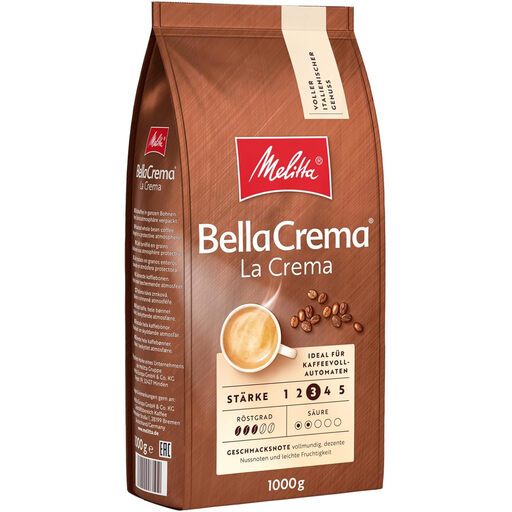
Why this product is a good fit: For users of super-automatic machines who value fresh aroma and prepare various coffee specialities like Caffè Crema or lattes. The 1kg pack offers good value for money for regular consumption.
By using whole coffee beans, aroma loss is minimised. The flavour is only released when the machine freshly grinds the beans for each cup.
The medium roast (intensity 3 out of 5 according to the manufacturer) makes this bean a versatile all-rounder for various drinks, from a mild coffee to a light espresso.
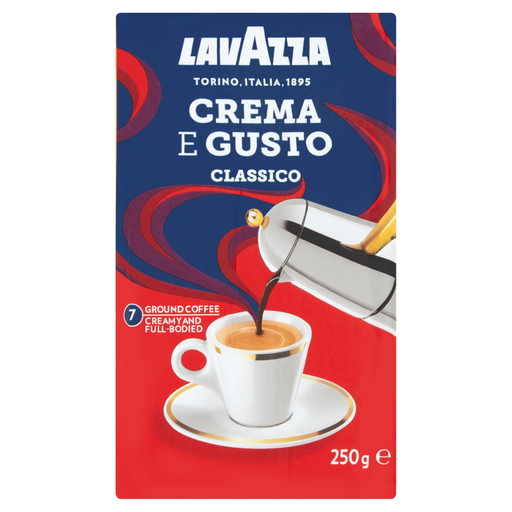
Why this product is a good fit: For those who seek the strong, intense flavour of a typical Southern Italian espresso, ideal for preparation in a Moka pot or portafilter machine. Perfect as a base for cappuccino or latte macchiato.
The product description clearly states the blend: 70% Robusta and 30% Arabica. This means you know exactly that you're getting a full-bodied, high-caffeine coffee with low acidity, avoiding any unpleasant surprises.
The high Robusta content ensures an especially thick and long-lasting crema, while the dark roast provides an intense flavour profile with notes of chocolate and spice.
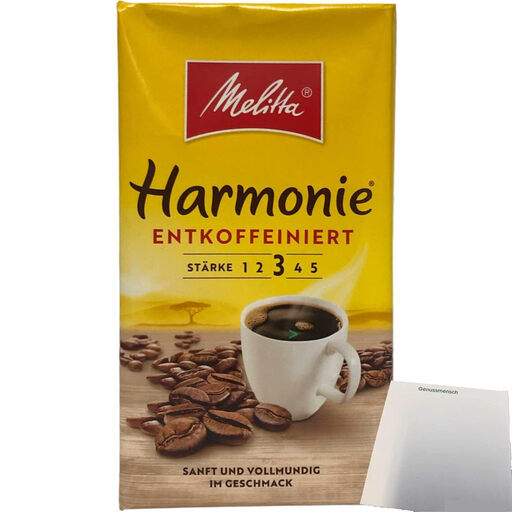
Why this product is a good fit: For coffee drinkers who want to enjoy the full flavour of a filter coffee but want or need to avoid caffeine. Ideal for the evening or for those with a caffeine sensitivity.
The product is clearly labelled as decaffeinated coffee. According to the manufacturer, mild beans are used and the caffeine is gently removed to preserve the aroma.
Offers a full-bodied aroma without the caffeine. The grind size is optimised for filter coffee machines, ensuring a straightforward and consistently flavourful brew.
We have compiled a complete, up-to-date list of products that fully meet these strict selection criteria.
1. How do I store coffee properly to preserve its aroma? After opening, coffee—whether whole bean or ground—should be stored in an airtight, opaque container in a cool, dry place. The refrigerator is unsuitable due to condensation and foreign odours. It's best to only fill a small amount into your coffee grinder or the bean hopper of your super-automatic machine at a time.
2. What is the right grind size for my coffee machine? As a rule of thumb: the shorter the contact time between water and coffee, the finer the grind should be.
3. What is the taste difference between Arabica and Robusta beans? Arabica beans produce a more aromatic, nuanced coffee with more acidity and often fruity or floral notes. Robusta beans deliver a bolder, earthier flavour with more bitter notes, less acidity, and significantly more caffeine. They are also responsible for the thick crema on an espresso.