
Lieferung heute & morgen

Qualitätsgarantie

Willkommens-Angebote freischalten: KOSTENLOSE Lieferung | Bis zu 80 % RABATT | Kostenlose 30-Tage-JoyPlus-Testphase
App herunterladen
A coffee cup set can often look like an obvious choice in product images. In practice, however, capacity, material, care instructions and how the cups will actually be used determine whether they remain a practical choice for the home, office or café. If you choose based solely on colour or price, you may overlook important details.
As a Joybuy Product Recommendation Officer, I filter product information according to clear, verifiable criteria and show what shoppers in Germany should look out for before buying.
A 120 ml cup is better suited to espresso, Turkish coffee or small desserts. For filter coffee, lattes or a large milky coffee, 240 to 350 ml is more practical. The capacity should therefore match your preferred drink:
The difference between total capacity and a sensible fill level is also important. If a cup is filled to the brim, there is hardly any room for milk foam or for carrying it safely.
Glazes, decorations, metal holders and handmade surfaces may have different care requirements. With a coffee cup set that includes a metal stand, check whether only the cups can go in the dishwasher. For reactive glazes, the relevant product information may recommend hand washing to help preserve their appearance for longer.
Microwave-safe and dishwasher-safe are also separate properties. A set should only be used in accordance with the manufacturer’s instructions.
Double-wall coffee glasses can reduce heat transfer to the outside. This makes them comfortable to hold, but does not automatically mean that they are impact-resistant or unbreakable. Borosilicate glass is designed to withstand changes in temperature, but it still needs to be handled with care. With ceramic coffee cups, the handles, base and glaze are important points to consider for everyday use.
Ceramic and stoneware retain heat comparatively well and are popular for everyday use. Stoneware generally feels slightly heavier and sturdier, while ceramic sets are often available in a wide range of colours and shapes. With glazed finishes, variations in colour or texture may be intentional.
Glass is ideal if you want the colour and layers of espresso, cappuccino or latte to remain visible. Double-wall coffee glasses consist of two layers of glass with an insulating air gap between them. Nevertheless, the care and safety instructions for the specific product still apply.
Stainless steel is used for coffee accessories such as press filters, holders and stainless-steel drinking straws for coffee-based drinks. With drinking straws, a cleaning brush, rounded ends and safe use are particularly important. Hot drinks should be consumed with care.
When choosing a set, consider the type of drink, cup height and the space available together. A wide handle makes the cup easier to hold, while stackable shapes save space in the kitchen cupboard. For offices or catering businesses, an identical set with four or six pieces can simplify serving and reordering.
Before buying, check the following:
For electrical appliances such as an espresso machine with grinder, mains voltage, power rating, water tank, cleaning requirements and safety instructions are also relevant. A model with 220–240 V is generally compatible with the standard power supply in Germany, but should only be operated in accordance with the instructions.
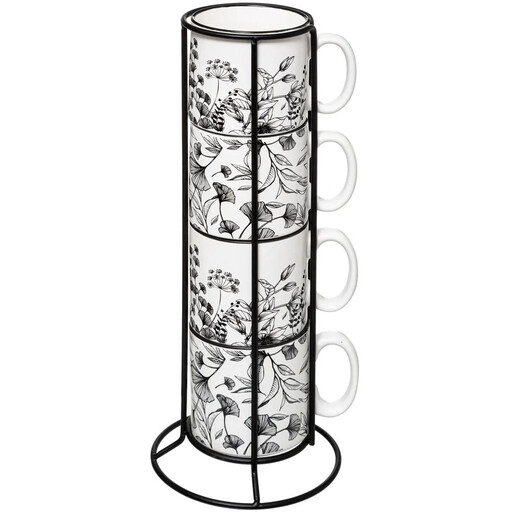
Why this product suits this profile: Four ceramic cups with a capacity of 240 ml cover typical portions for cappuccino, latte macchiato or caffè lungo. The metal stand provides compact storage.
The clear information on the number of pieces, material and 240 ml capacity prevents a small espresso cup from being mistaken for an everyday mug.
Four ceramic cups, metal stand, and microwave and dishwasher suitability according to the product information.
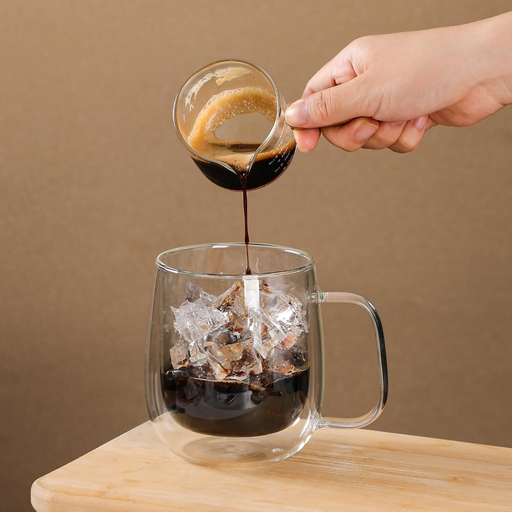
Why this product suits this profile: The transparent double-wall construction and 350 ml capacity are suitable for lattes, cappuccinos, coffee and cold drinks when appearance and comfort matter equally.
The product description explicitly states that the mugs have a double wall and handles, as well as specifying the capacity and dishwasher suitability, rather than simply promoting them as “insulating”.
Two 350 ml glasses with handles and a clear view of the drink; designed for hot and cold beverages.
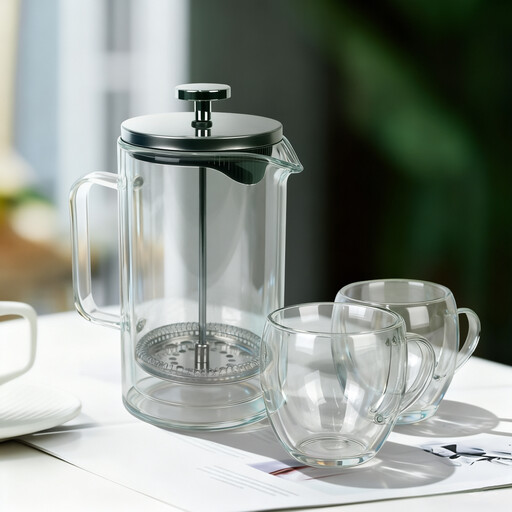
Why this product suits this profile: The French press set combines a coffee pot with a double-wall cup, making it suitable for users who want to brew and serve coffee straight away.
The information explicitly states that the set is not suitable for microwave use, dishwashers or direct heat on a hob. This helps prevent incorrect use.
High-borosilicate glass, stainless-steel components, double-wall insulation and a matching cup included.
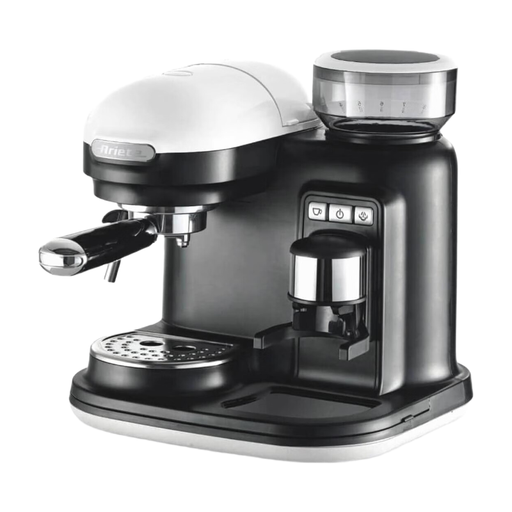
Why this product suits this profile: The combination of an integrated grinder, portafilter and milk frothing nozzle is ideal for households that want to prepare espresso and cappuccino with freshly ground beans.
The technical information specifies the power rating, dimensions, automatic shut-off and integrated grinder. This allows you to check the space required and how it operates before buying.
15-bar pump according to the product information, integrated grinder, filter for one or two portions and milk frothing nozzle.
We have put together a complete, regularly updated list of products that fully meet these strict selection criteria and the safety regulations applicable in the EU.
For everyday coffee enjoyment, coordinated accessories can be a useful choice. A coffee mug set complements small espresso cups, while coffee glasses with handles offer an alternative to classic ceramic cups. If you like to brew coffee at the table, you can choose a French press set. With frequent use, consider the cleaning effort, replacement parts and storage requirements.
Stainless-steel drinking straws are suitable for cold coffee drinks, but should be cleaned thoroughly after every use. For offices, cafés and restaurants, matching tableware with clearly stated information on size, care and contents is also recommended.
For espresso, 60 to 120 ml is usually sufficient. Cappuccino often suits 150 to 250 ml, while lattes, filter coffee and larger milky drinks generally require 300 to 350 ml. The key factor is the desired portion, including the milk foam.
This depends on the specific product. Some models are described as dishwasher-safe, while others should be washed by hand. The care instructions for the particular coffee glass set take priority. Double-wall glass is still breakable and should not be exposed to sudden changes in temperature.
Ceramic coffee cups are generally easy to use day to day and are available in many shapes. Glass shows the layers of the drink, but needs to be handled with care. When choosing, dishwasher instructions, microwave suitability, weight and available storage space are more important than the material label alone.