
Lieferung heute & morgen

Qualitätsgarantie

Willkommens-Angebote freischalten: KOSTENLOSE Lieferung | Bis zu 80 % RABATT | Kostenlose 30-Tage-JoyPlus-Testphase
App herunterladen
A coffee cup set can often look similar to another in product images. However, the differences quickly become apparent in daily use: cups are too small for filter coffee, handles get hot, or the glaze loses its finish through frequent washing. If you’re looking to buy a coffee mug set or a 4-piece cup set, you shouldn’t just focus on colour and price.
This guide shows you which details matter before you buy, what typical marketing pitfalls to watch out for, and which set suits different households, drinks and usage situations.
A cup with 10 or 11 cl is better suited to espresso and small drinks. For cappuccino, latte or tea, 240 to 350 ml is far more practical. The term “coffee cup” alone tells you very little about the actual size. So always check the capacity per cup rather than just the total volume of the set.
“Dishwasher-safe” and “microwave-safe” are important details, but they aren’t a given with every material. Cups with metal handles or metal stands may not be suitable for the microwave. Even a dishwasher-safe glaze can lose its shine over time due to harsh detergents, high temperatures or frequent cycles.
Reactive glazes and artisanal production can lead to visible variations in colour and texture. This isn’t a defect, but it’s something you should know before buying. If you prefer identical cups, a consistent ceramic or porcelain finish is usually a safer bet.
Earthenware cups are often a little sturdier and have a distinctive, decorative surface. The Richmount and Famiware sets use earthenware with a reactive glaze. The product details for these ranges state that the cups are dishwasher-safe and microwave-safe. Even so, you should still follow the individual care instructions for everyday use.
Ceramic cups offer a wide choice of shapes, colours and patterns. Models with a metal stand save worktop space and keep several cups within easy reach. However, the stand itself needs separate cleaning and isn’t automatically dishwasher-safe.
Double-walled glasses are often made from heat-resistant borosilicate glass. The air layer between the glass walls can help keep the outside more comfortable to hold when filled with hot or cold drinks. This feature doesn’t replace checking the manufacturer’s specific guidance on temperature changes, dishwashers and microwaves.
As a practical guide:
An espresso cup set should be compact and sit securely on its saucer or stand. For cappuccino cups, 270 ml is a sensible benchmark, especially if a saucer is included. If you serve a variety of drinks, you could choose a larger coffee mug set with 280 or 350 ml.
An ergonomic handle makes holding easier, but it doesn’t replace checking the actual wall thickness. With double-walled glasses, you should also check that the handle is securely attached. A wide base reduces the risk of tipping over.
For small kitchens, cups with a stand are practical because they make use of vertical space. Measure the available height under your wall cabinets before buying. Also check whether the stand is included and whether the cups sit securely on the designated holders.
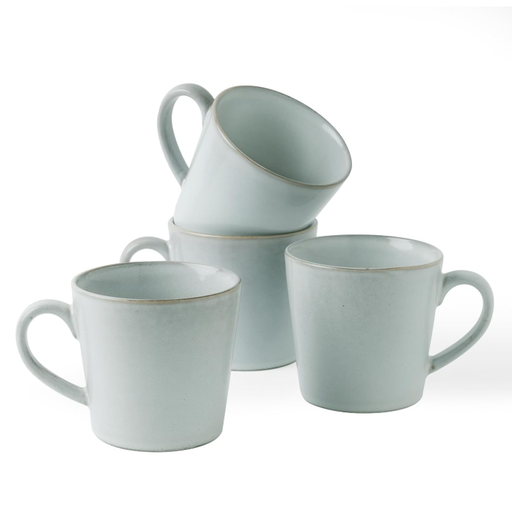
Why this product suits the profile: This 4-piece earthenware set is designed for coffee, tea and milk-based drinks, making it ideal for households, offices or as a basic starter set.
The product details clearly state the number of pieces, the material and its suitability for the dishwasher and microwave. The reactive glaze may produce individual colour variations.
Four cups with a 14 oz capacity, ergonomic handle and scratch-resistant finish according to the product description.
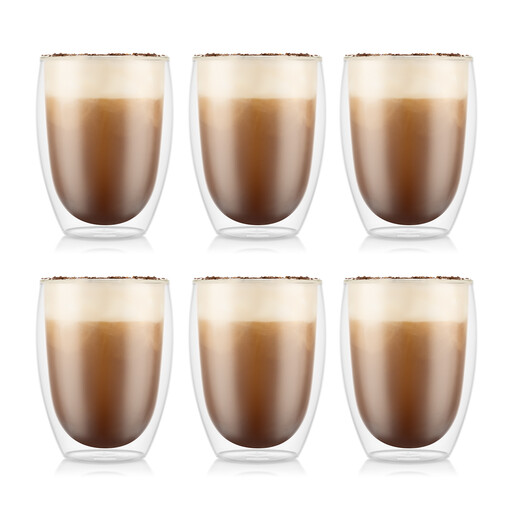
Why this product suits the profile: Six matching double-walled glasses with 350 ml capacity are perfect for families, guests and households that want to serve coffee and cold drinks in a uniform design.
The capacity and double-walled construction are clearly stated. You should check the individual care instructions for the dishwasher before buying.
Pack of 6, 350 ml per glass and double-walled thermo glass according to the product name.
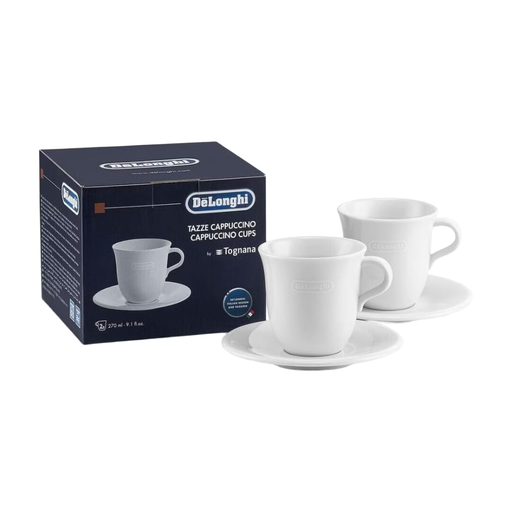
Why this product suits the profile: Two cappuccino cups with matching saucers are designed for milk-based coffee specialities and a tidy presentation at the table.
The set explicitly includes two cups and two saucers. The details state 270 ml and suitability for the dishwasher and microwave.
Porcelain, 270 ml capacity, two saucers and confirmed microwave and dishwasher suitability.
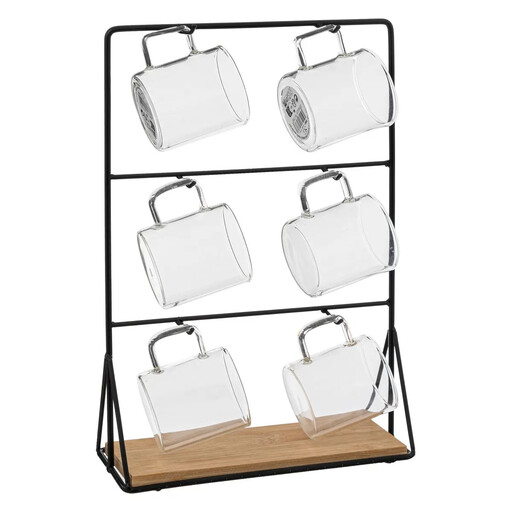
Why this product suits the profile: Six ceramic cups, each with 10 cl capacity, and a matching stand keep espresso or small tea cups organised on a limited worktop.
The six individual pieces, the capacity and the material of the stand are all clearly stated. The stand should be cleaned separately with warm water and a damp cloth.
6 ceramic cups, 10 cl per cup and space-saving storage on a metal stand.
We’ve put together a full, regularly updated list of products that fully meet these strict selection criteria and the safety regulations in force in the EU.
Even dishwasher-safe cups shouldn’t be subjected to unnecessary wear. Place ceramic, porcelain and glass items so they don’t knock against each other. With reactive glazes, hand washing can be a good idea if you want to preserve the surface appearance for as long as possible.
For glass: avoid sudden temperature changes, such as filling a cold glass directly with very hot water. With cups that have a metal frame or metal stand, follow the instructions for the dishwasher and microwave carefully. Damaged cups with cracks, chips or sharp edges should no longer be used.
For two people, two to four cups are often enough. A 4-piece cup set is suitable for couples, small families or a workplace. Six cups make sense if you regularly have guests or if several cups are in the dishwasher at the same time.
For cappuccino, around 200 to 270 ml is typical, depending on the amount of coffee, milk and foam. The De'Longhi set with 270 ml falls within this range and comes with matching saucers. For larger latte portions, 280 or 350 ml may be more suitable.
No. The double-walled construction describes the design and doesn’t automatically mean it’s safe for the microwave. Always check the specific product details. With metal handles, metal frames or decorative elements, microwave use should always be assessed particularly carefully.