
Lieferung heute & morgen

Qualitätsgarantie

Willkommens-Angebote freischalten: KOSTENLOSE Lieferung | Bis zu 80 % RABATT | Kostenlose 30-Tage-JoyPlus-Testphase
App herunterladen
A coffee cup set should suit your everyday routine, not just look good in product photos. For the home, office or hospitality setting, capacity, care instructions, stability and the intended use are particularly important. A small espresso cup set has different requirements from a large coffee mug set for lattes or tea.
As a Joybuy Product Recommendation Officer, I filter product information according to clear, practical criteria. This helps you avoid common purchasing mistakes and compare sets more effectively.
The term ‘cup’ is not standardised. A set with 100 to 130 ml is more suitable for espresso, Turkish coffee, small servings of tea or desserts. For filter coffee, lattes or hot chocolate, 240 to 350 ml is usually more practical. If you choose based on design alone, you may end up with attractive ceramic cups that are either too small or unnecessarily oversized.
‘Dishwasher-safe’ and ‘microwave-safe’ are specific product features that should be clearly stated in the product information. Glazes, metal racks and double-walled glasses often come with different care instructions. For example, a French press set made from borosilicate glass may be explicitly intended for hand washing and must not be used on the hob.
Coffee cups with a rack make storage easier and are ideal for small kitchens or an office coffee station. However, the metal rack must stand securely and be cleaned separately. The cups should also fit safely in the holder to avoid unnecessary breakage when removing them.
Choose according to the drink you serve regularly:
For a café or restaurant, consistent sizes and stackable shapes are particularly important. In a private home, however, a mixed 4-piece cup set can be useful if you serve a range of different drinks.
Ceramic and stoneware are widely used for everyday items. Check whether information about food safety, the glaze and cleaning is provided. Stoneware mugs with a reactive glaze may have slight variations in colour and surface finish. This is a typical product characteristic and does not indicate that the individual pieces are identical.
Double-walled coffee glasses made from glass have an insulating layer of air between the walls. This can make the outer surface more comfortable to hold when serving hot or cold drinks. At the same time, glass is sensitive to impact and should not be exposed to harsh cleaning products or sudden temperature changes if the manufacturer advises against this.
Before buying, check the following points:
For ceramic and glass items, the rule is simple: damaged pieces should no longer be used. Small cups are only suitable for children if the manufacturer specifically indicates that intended use.
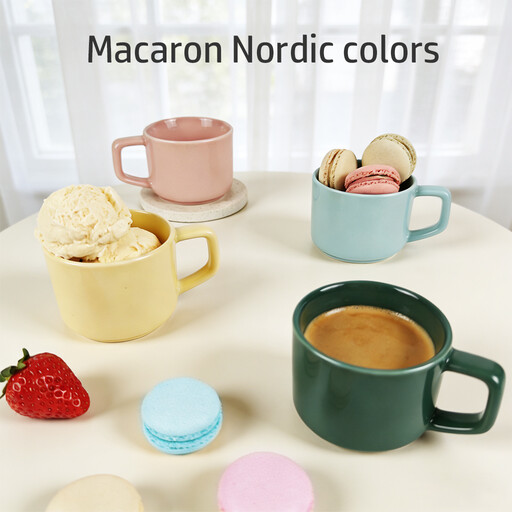
Why this product suits this profile: Four small ceramic cups, each with a capacity of 120 ml, are suitable for espresso, Turkish coffee, small servings of tea or desserts. Their compact size takes up little storage space.
The fill capacity is clearly stated, preventing a small espresso cup from being confused with a large coffee mug.
Four colours, food-safe ceramic and space-saving storage; hand washing is recommended.
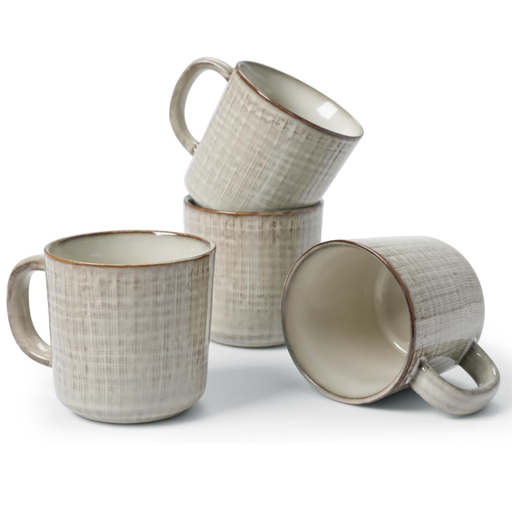
Why this product suits this profile: The four stoneware mugs, with a capacity of 13 oz or around 384 ml, provide plenty of room for coffee, tea, lattes or hot chocolate. The large handle is designed for regular use.
The specific capacity and material information make it easier to choose than imprecise descriptions such as ‘large cup’.
Reactive glaze with a linen finish; according to the product information, dishwasher- and microwave-safe.
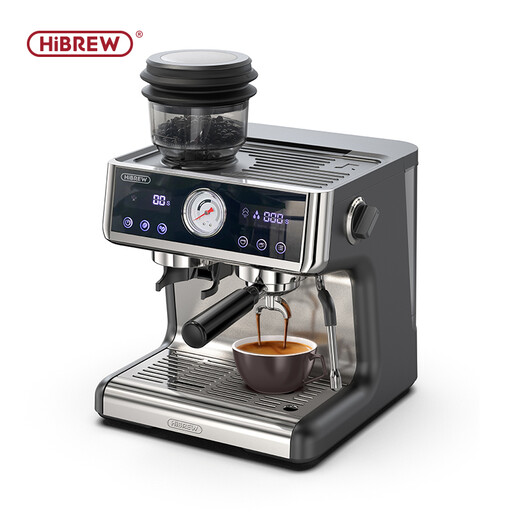
Why this product suits this profile: Ideal for homes, offices or smaller hospitality settings where, alongside suitable cups, you also need a coffee machine with an integrated grinder.
The power consumption of 1,380–1,550 W, 2.8-litre water tank and 250-g bean container are clearly specified, making it easier to plan the available space and electricity use.
Integrated grinder with 30 grind settings; dual-boiler system and two pumps according to the product description.
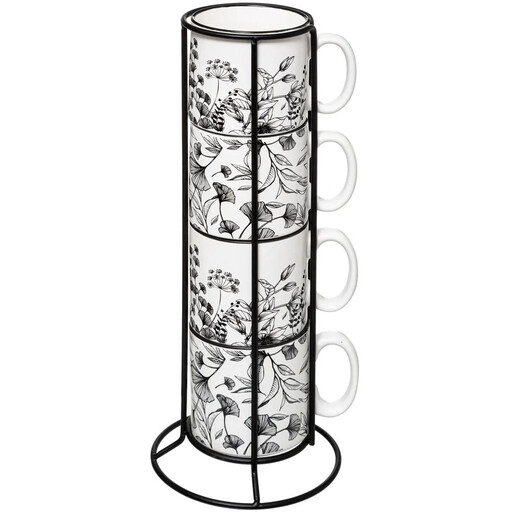
Why this product suits this profile: Four cups with a capacity of 240 ml each, plus a metal rack, are suitable for cappuccino, tea, latte macchiato and caffè lungo. The holder keeps storage neatly organised.
The product information specifies the capacity, suitable drinks, and dishwasher and microwave compatibility.
Four ceramic cups and a metal rack; suitable for organised storage in the kitchen or office.
Depending on how you prepare your drinks, a French press set, double-walled coffee glasses or reusable stainless steel straws can complete your set-up. Stainless steel straws are a reusable alternative to single-use products for cold coffee drinks. When choosing a French press, pay attention to the type of glass, filter material and cleaning instructions.
If you regularly prepare cappuccino, remember to plan space for a milk frother and coffee machine as well as cappuccino cups. For tea, a separate tea cup set with a larger capacity may be more practical than small espresso cups.
We have put together a complete, regularly updated list of products that fully meet these strict selection criteria and the safety regulations applicable in the EU.
Around 100 to 130 ml is standard for espresso. Classic coffee and cappuccino will often fit in 200 to 250 ml. For lattes, filter coffee or large hot drinks, 300 to 350 ml is more practical. The key factor is the stated capacity.
This depends on the individual product. Some sets are explicitly dishwasher-safe, while hand washing is recommended for certain glazes. Also check whether microwave use is approved, and always follow the manufacturer’s care instructions.
Running costs depend on the power rating, usage time, quantity of beans and electricity tariff. A machine with an integrated grinder may also require cleaning, descaling and, where necessary, replacement parts. Details such as 1,380–1,550 W, tank capacity and bean container size help you assess consumption in practical terms.