
Lieferung heute & morgen

Qualitätsgarantie

Willkommens-Angebote freischalten: KOSTENLOSE Lieferung | Bis zu 80 % RABATT | Kostenlose 30-Tage-JoyPlus-Testphase
App herunterladen
The range of coffee cups and drinking glasses extends from classic ceramic mugs to double-walled thermal glasses. Many models look similar in product images, but clear differences become apparent in everyday use. It is not just the colour and shape that matter, but above all the capacity, material, cleaning requirements and intended use.
A 250 ml cup is suitable for smaller portions of filter coffee, cappuccino or tea. For large milky coffee drinks, however, it may be too small. Ounce measurements are not always intuitive either: 8 oz is roughly 237 ml, while 9.54 oz is approximately 282 ml.
It is also important to distinguish between the nominal capacity and the amount that can be used in practice. If a vessel is filled to the brim, there is little room left for foam or milk, and it becomes more difficult to carry safely.
Glass and ceramic are sensitive to sudden changes in temperature. A cold drinking glass should not be filled with boiling water straight away. A ceramic mug taken from the fridge can also be damaged by the sudden temperature change.
With double-walled thermal glasses, the insulating construction is an important feature. It can reduce heat transfer to the outer wall, but it does not replace careful handling. Damaged or cracked vessels should no longer be used.
Not every glass is suitable for use in the microwave, and not every cup can go in the dishwasher. Even when a product is described as dishwasher-safe, aggressive detergents, high temperatures or abrasive sponges can damage the glaze or surface over time.
For microwave-safe cups, you should also check whether handles, metallic decoration or lids come with specific restrictions. Before buying, it is worth checking the detailed product information.
For catering businesses, uniform sizes and sets are particularly practical. In the home, a combination of small tea cups, medium-sized coffee mugs and larger latte cups is often more useful.
Ceramic cups and stoneware retain heat and are available in a wide range of shapes. A glaze can make cleaning easier, although abrasive sponges should still be avoided. Porcelain often feels lighter and more refined, while stoneware is generally stronger and more substantial.
Double-walled thermal glasses consist of two layers of glass. The insulating air layer changes the appearance and can help hot drinks stay at a pleasant temperature for longer. Borosilicate glass is frequently used for heat-resistant drinking vessels. Nevertheless, the care and temperature instructions provided by the relevant manufacturer still apply.
Look out for clearly stated features such as:
For sets, the number of cups or glasses included should match your actual needs. A six-piece pack can be useful for families or offices, while a single item may be sufficient as an addition or gift.
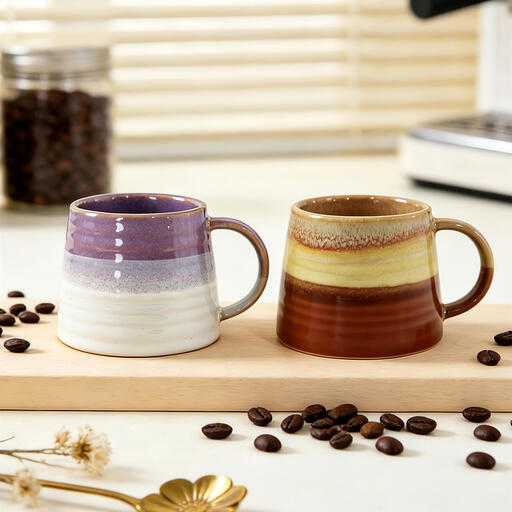
Why this product suits this profile: According to the product details, the ceramic mug holds approximately 282 ml and has an integrated handle. This makes it suitable for coffee, cocoa and milk tea at home or in the office.
The stated size sits between a small coffee mug and a large latte cup, making it versatile. The product description states that it is suitable for use in the microwave and dishwasher.
Single item holding approx. 282 ml, ceramic body, glazed surface and handle.
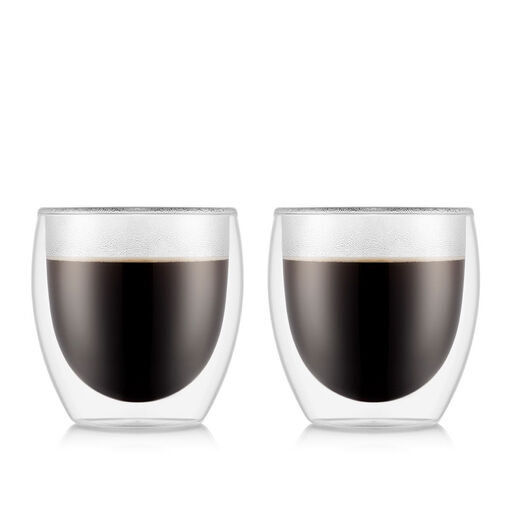
Why this product suits this profile: The set of two 250 ml glasses is designed for households that want to serve hot and cold drinks in double-walled glassware.
The capacity is clearly stated, and the double-walled construction is included directly in the product name. This makes it easier to compare the set with standard drinking glasses.
Two glasses, 250 ml each, double-walled thermal glass construction.
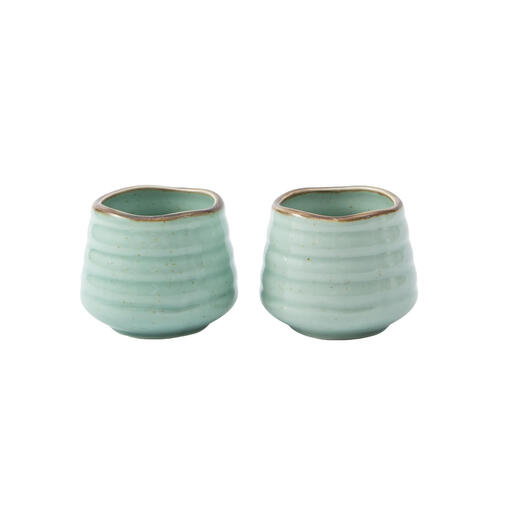
Why this product suits this profile: The two handleless ceramic cups, each holding 160 ml, are designed for matcha latte, tea, coffee and cocoa. Their stackable shape can be useful when storage space is limited at home or in a café.
The smaller capacity helps prevent you from buying a cup for large portions when it is primarily intended for concentrated or frothy drinks.
Set of two, 160 ml each, ceramic, handleless and stackable according to the product details.
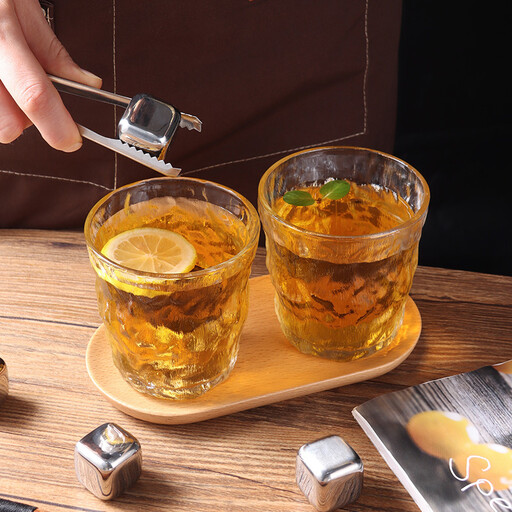
Why this product suits this profile: According to the product description, the two transparent drinking glasses, each holding 300 ml, are suitable for water, juice, milk, beer and wine. The textured surface is designed for a wide range of table settings.
The product details explicitly state that the glasses are not intended for use in the microwave or oven. This limitation helps prevent incorrect use.
Set of two, 300 ml each, transparent glass, textured surface and versatile drink use.
We have put together a complete, regularly updated list of products that fully meet these strict selection criteria and the safety regulations applicable in the EU.
For cappuccino, latte art or milky coffee, a milk frothing jug with a suitable capacity can also be useful. For example, a 350 ml jug is suitable for smaller quantities of milk, provided you take the coffee machine you are using and the desired amount of foam into account.
For filter coffee and many speciality coffees, around 230 to 300 ml is practical. Espresso usually requires just 80 to 100 ml, while latte cups often hold 300 ml or more. The right size depends on whether milk, foam or ice will be added.
No. Suitability must be stated in the product information. Metallic decoration, certain glazes or damaged areas may limit their use. Even a microwave-safe cup can become very hot after heating.
Their service life depends on the material, frequency of use, cleaning and avoiding knocks and thermal shocks. Dishwasher-safe cups can be cleaned regularly, but they should still be checked for damage. Cracks or chips indicate that the item should be replaced.