
Lieferung heute & morgen

Qualitätsgarantie

Willkommens-Angebote freischalten: KOSTENLOSE Lieferung | Bis zu 80 % RABATT | Kostenlose 30-Tage-JoyPlus-Testphase
App herunterladen
The right coffee filter affects the brewing process, flow rate and the amount of coffee grounds in your cup. Even so, many shoppers simply choose the cheapest pack or rely on general descriptions such as “suitable for filter coffee”. Yet even minor differences in shape and size can mean that the filter holder is not fully lined, the paper tears or water runs past the coffee grounds.
This buying guide explains what to look for in coffee filter paper, water filters and complementary espresso accessories.
The specifications coffee filter size 1x4 and coffee filter size 1x6 are not interchangeable. A 1x4 filter is designed for smaller to medium quantities, while 1x6 filters are intended for larger filter holders and coffee machines. Cone-shaped #1 filters also have a different shape from classic basket filters.
You should therefore check the marking on the filter holder or consult the user manual before buying. The number of cups alone is not a reliable guide, as machines use different brewing volumes.
White filters are often bleached, while brown filters are usually sold as unbleached. However, colour alone says little about paper thickness, seam construction or flow rate. With unbleached coffee filters, briefly rinsing with hot water can reduce any paper taste. It also preheats the filter holder.
Look for specific details such as unbleached wood fibre, FSC-certified paper, heat-resistant construction or reinforced seams. If this information is missing altogether, it is difficult to assess the material quality.
A water filter for fully automatic coffee machines must fit mechanically into the designated holder. The description “compatible with many machines” therefore does not replace checking the model range and filter code. When buying replacement water filters for DeLonghi, Nivona and Melitta, you should pay particular attention to the original reference and the supported product ranges.
It is also important to change the filter according to the manufacturer’s instructions, or depending on water hardness and usage. An unsuitable or overdue filter may not deliver the expected performance.
In Germany, 1x4 and 1x6 coffee filters are commonly used in traditional filter coffee machines. The size must match the filter holder and should line the sides as evenly as possible. Pour-over systems, on the other hand, often use conical #1 or other cone formats.
Check the following before buying:
Paper thickness affects the water flow. Very thin paper can tear if handled incorrectly, while paper that is too dense can slow down the brewing process. Reinforced double seams improve shape retention. For products intended to come into contact with food, the material information should be clearly provided and traceable.
FSC information relates to the origin or supply chain of the wood or paper used. It is not direct evidence of a particular brewing speed, but it can help you assess how the materials have been sourced.
Depending on the product, water filters for fully automatic coffee machines may use ion-exchange resin and granulated activated carbon, for example. According to the respective brand’s product information, these can reduce chlorine, certain heavy metals, limescale components and other impurities. The result depends on factors including water quality, the model and the replacement interval.
When buying a replacement filter, always check the filter code, machine series and installation method. Some products require a brief rinsing process before first use.
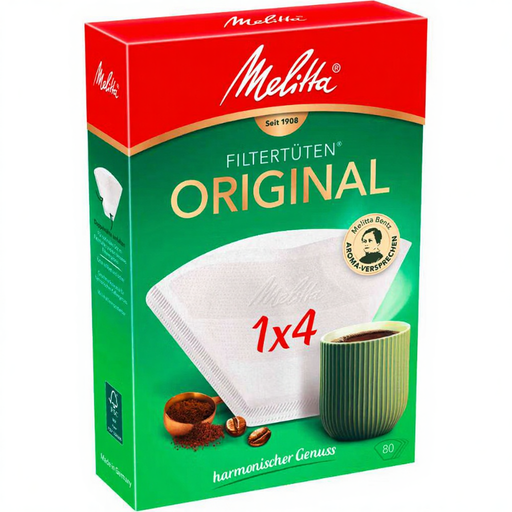
Why this product suits this profile: The pack of 80 individual filters is suitable for everyday use in compatible 1x4 filter holders.
The clearly stated 1x4 size reduces the risk of accidentally buying an incompatible format.
80 filters; white paper; designed for 1x4 filter holders.
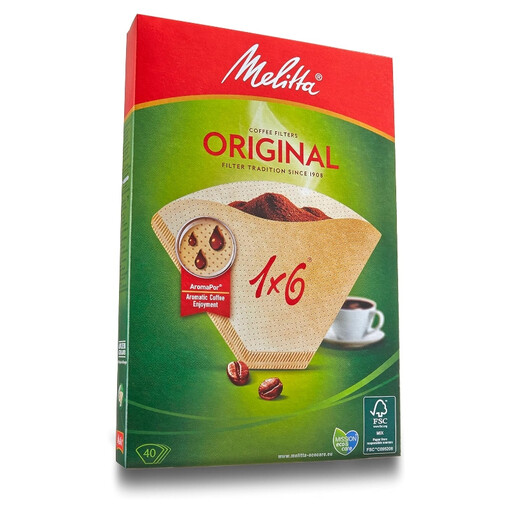
Why this product suits this profile: For larger filter holders, the 1x6 format offers a clearly defined fit and reinforced double seams.
The size marking and double seam help prevent mix-ups and tearing along the side seam.
AromaPor micro-perforation; FSC-certified paper according to the product information; 1x6 format.
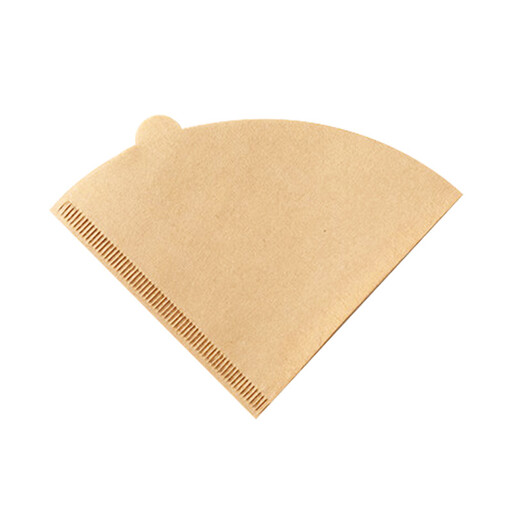
Why this product suits this profile: The 100 cone-shaped filters made from unbleached wood fibre are designed for smaller pour-over and drip brewing setups.
The #01 marking and conical shape clearly distinguish this product from 1x4 or 1x6 basket filters.
100 pieces; unbleached wood fibre; according to the product information, free from adhesive and heat-resistant.
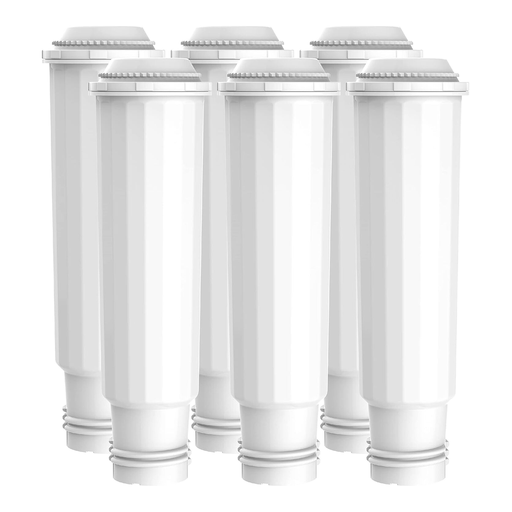
Why this product suits this profile: The 6-pack is intended for users who regularly need a replacement water filter for Nivona and Melitta, or compatible Krups, Bosch, Siemens, AEG and Neff models.
The product information lists specific references such as Krups F088, Melitta Pro Aqua and Nivona NIRF700. Even so, you must still check the machine model.
6 cartridges; ion-exchange resin and granulated activated carbon; TÜV-SÜD certification according to the product information.
We have put together a complete, regularly updated list of products that fully meet these strict selection criteria and the safety regulations applicable in the EU.
If you are looking for a replacement water filter for DeLonghi, you can use the DLSC002 reference as a starting point. According to the product information, the Waterdrop Water Filter is designed as a replacement for DLSC002 and for certain ECAM, Eletta, Dinamica, Magnifica, ETAM and ESAM models. The 6-pack contains activated carbon and resin filters. Before ordering, make sure your machine’s exact model number is included in the compatibility list.
The product information recommends rinsing the filter before first use and replacing it approximately every two months. Water hardness and the amount brewed each day may affect the actual interval.
That depends on the filter holder. The common 1x4 and 1x6 formats are designed for different holder sizes. Hand-brewed filters may also use conical formats such as #1. The size shown on the old filter or in the machine manual is the most reliable guide.
Many products specify an interval of around two months. However, the manufacturer’s instructions, water hardness and frequency of use are the key factors. If your machine has a display, you should also follow its replacement reminder.
“Unbleached” initially describes how the material has been processed; it does not automatically indicate the taste or brewing quality. Briefly rinsing the filter with hot water can reduce any possible paper notes. The right size, paper construction and desired flow rate remain the decisive factors.