
Lieferung heute & morgen

Qualitätsgarantie

Willkommens-Angebote freischalten: KOSTENLOSE Lieferung | Bis zu 80 % RABATT | Kostenlose 30-Tage-JoyPlus-Testphase
App herunterladen
Choosing the right coffee equipment can quickly become overwhelming. The market offers a plethora of machines, accessories, and designs, all promising the perfect coffee experience. Yet, not every investment pays off. Many buyers find themselves facing hidden costs, impractical designs, or superfluous features. This guide will help you identify common pitfalls and make an informed decision that suits your habits.
Before you make a decision, it's crucial to understand the typical marketing promises and product weaknesses that often lead to disappointment.
To avoid these pitfalls, you should base your selection on a few objective parameters. These criteria ensure that your new coffee gear is both functional and durable.
The choice of machine fundamentally depends on your personal preferences and daily routine.
The material influences not only the aesthetics but also the functionality and lifespan of your equipment.
The right coffee accessories complete your coffee corner. An integrated or separate milk frother is essential for lovers of cappuccino or latte macchiato. For ambitious home users, additional home barista accessories, such as a high-quality tamper or a knock box, can further refine the brewing process.
Instead of presenting an overwhelming list, we have selected products that match specific user profiles and avoid the pitfalls mentioned earlier.
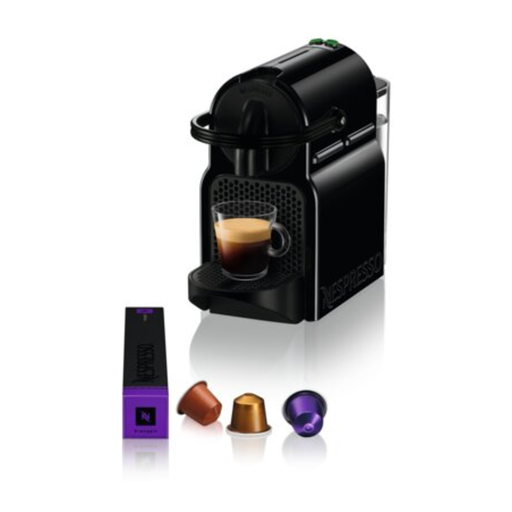
Why This Fits Their Persona: Ideal for users who want to prepare a high-quality espresso or lungo quickly and effortlessly in the morning. Its compact design also fits well in small kitchens.
The Nespresso Original system offers a wide selection of third-party capsules, bypassing the cost trap of proprietary systems. The machine focuses on core functions, avoiding the premium for unused extras.
Short heat-up time of 25 seconds; automatic shut-off function for energy saving; 19-bar pump pressure for a rich crema.
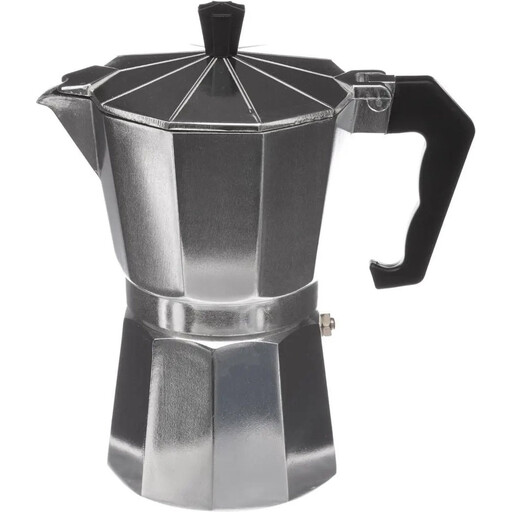
Why This Fits Their Persona: Perfect for those who appreciate the ritual of coffee making and prefer the bold, authentic flavour of a stovetop-brewed espresso.
This device is purely mechanical, completely forgoing complex electronics. It avoids the pitfall of overpriced, failure-prone machines and focuses on a single, proven function.
Robust aluminium construction; suitable for gas, electric, and ceramic hobs; capacity for 6 cups (approx. 300 ml).
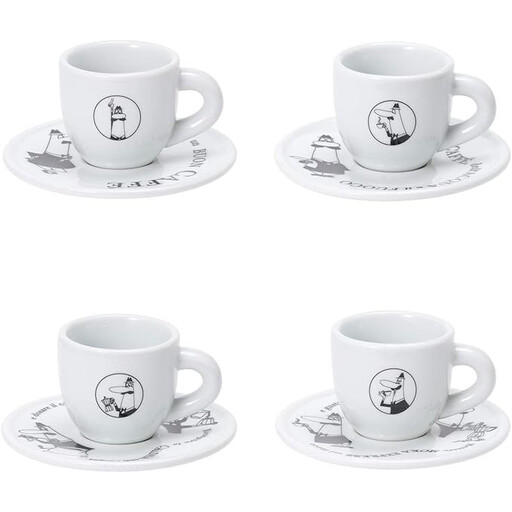
Why This Fits Their Persona: For hosts who value a stylish presentation. This set of four porcelain cups from Bialetti lends an elegant touch to any coffee gathering.
This set bypasses the pitfall of poor material choice. The high-quality porcelain effectively retains heat, ensuring the espresso stays hot longer than in thin-walled glasses.
Made from durable porcelain; dishwasher-safe for effortless cleaning; capacity of 80 ml per cup.
We have compiled a complete, up-to-date list of products that fully meet these strict selection criteria and safety regulations.
The choice of material has a direct impact on the temperature and, consequently, the taste of your espresso. Porcelain is the traditional choice because it has a high density and retains heat very well. Double-walled glasses are a modern alternative; they insulate with the layer of air between the walls, keeping the drink hot for a long time while the outside remains cool to the touch. Ceramic offers a wide aesthetic variety but often has a lower heat retention capacity than thick-walled porcelain.
The frequency of descaling depends on the water hardness in your area and how often you use it. As a general guideline, descaling is recommended every three to six months or after approximately 300 to 500 brew cycles. Many modern machines, such as models from Nespresso and De'Longhi, have an integrated descaling alert that automatically reminds you.
No, not every moka pot is suitable for induction hobs. Traditional models made of aluminium are not magnetic and therefore will not work on an induction cooktop. To use a moka pot on an induction hob, you need a model made of a ferromagnetic material, usually stainless steel, or one with a specially designed base. Always check the product description for the "induction-compatible" label when purchasing.