
Lieferung heute & morgen

Qualitätsgarantie

Willkommens-Angebote freischalten: KOSTENLOSE Lieferung | Bis zu 80 % RABATT | Kostenlose 30-Tage-JoyPlus-Testphase
App herunterladen
For many, the aroma of freshly ground coffee is the perfect start to any day. But the path to the perfect cup is often paved with costly mistakes. The wrong coffee grinder can ruin even the highest quality beans. As your Joybuy Product Recommendation Officer, I'll help you navigate the typical marketing traps and find a grinder that truly fits your needs.
Many buyers invest in an expensive coffee machine but skimp on the grinder—a critical error. Before you make a decision, you should know the three most common problems that lead to disappointment:
To avoid these pitfalls, focus on three technical features that determine the performance and longevity of your grinder.
The grinding mechanism is the heart of every coffee grinder. Its design determines the consistency of the grounds and, therefore, has a major impact on the taste.
The ability to set the grind size accurately and repeatedly is crucial. Each preparation method requires a different particle size to ensure optimal extraction.
The choice between a manual and an electric drive depends on your lifestyle and priorities.
Instead of presenting an overwhelming list, we have selected models that cater to specific user profiles and meet the criteria mentioned above.
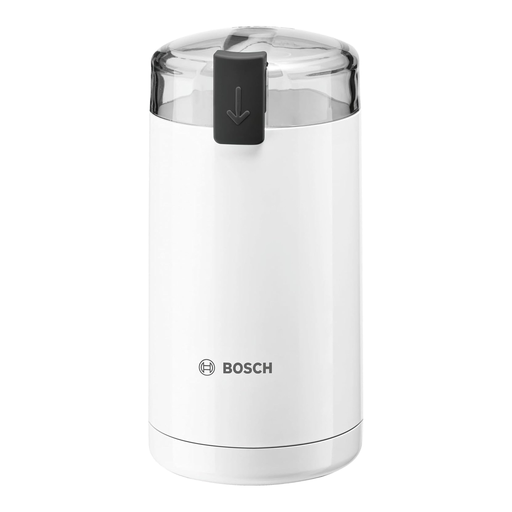
Why This Fits Their Persona: Ideal for coffee drinkers taking their first step from pre-ground to fresh coffee. The operation is straightforward, and the device is compact and budget-friendly—perfect for daily filter coffee without a high initial investment.
This blade grinder model is an honest entry-level solution. It avoids the trap of overpriced features a beginner doesn't need. By using short, pulsing grinds, you can control heat buildup and achieve a result that is sufficient for filter coffee.
Simple Operation: Grinding only starts when the lid is on and the switch is pressed. Compact Design: Fits into any kitchen and is easy to store.

Why This Fits Their Persona: Designed for users who want to perfect their espresso-making. Its compatibility with common portafilter sizes and precise, time-based grinding make it a tool for consistent results.
It solves the problem of inconsistency and limited settings. The 420 stainless steel conical burr and 48 grind settings deliver the uniform, fine powder that is essential for a good espresso. The slow-speed DC motor also prevents the beans from overheating.
Precise Control: Time-based grinding accurate to 0.1s and 48 grind settings. Versatile Compatibility: Supports 51mm, 54mm, and 58mm portafilters.

Why This Fits Their Persona: For anyone who doesn't want to give up freshly ground coffee on the go. Its robust metal body and compact design make it the ideal companion for camping, traveling, or in the office.
This hand grinder offers the precision of a conical burr grinder without needing a power source. It bypasses the inconsistency of cheap travel grinders and delivers a result that is impressive even at home, thanks to its stainless steel burrs and adjustable grind settings.
Consistent Grinding: Dual-bearing system for stable and effortless rotation. Robust Construction: All-metal body and stainless steel burrs for durability.
We have compiled a complete, up-to-date list of products that fully meet these strict selection criteria and German safety regulations.
Cleaning is crucial for the taste of your coffee and the lifespan of the grinder. For grinders with conical or flat burrs, you should never use water. Disassemble the burr set according to the instructions and clean it with a dry brush and an air blower to remove coffee residue and oils. Blade grinders can be wiped out with a damp cloth, but make sure the device is unplugged from the power source.
As a rule of thumb: the shorter the contact time between water and coffee, the finer the grind.
The lifespan of a burr set depends on the material (steel or ceramic) and the frequency of use. Steel burrs in home grinders are often rated for grinding 300-500 kg of coffee. For average home use, this means the burrs will last for many years before a replacement needs to be considered. Ceramic burrs tend to have an even longer lifespan.