
Lieferung heute & morgen

Qualitätsgarantie

Willkommens-Angebote freischalten: KOSTENLOSE Lieferung | Bis zu 80 % RABATT | Kostenlose 30-Tage-JoyPlus-Testphase
App herunterladen
The path to aromatic coffee doesn’t start with the coffee machine—it begins with freshly ground beans. A good coffee grinder is therefore an essential investment for any coffee lover. However, the market is crowded and full of marketing promises that often lead to disappointing results. This guide will help you navigate the common pitfalls and make an informed decision.
Many buyers focus on price or marketing claims without understanding the technical fundamentals. This often results in a device that fails to unlock the potential of high-quality coffee beans. Watch out for these three widespread problems:
To avoid the problems mentioned above, you should check three technical aspects before buying. These are the key factors that determine the quality of the grind and, consequently, the aroma in your cup.
The heart of any grinder is its burr set. True grinders, which crush beans rather than shattering them, come in two main types:
Both types are far superior in quality to any blade system. The choice between conical and flat burrs is often a matter of personal preference and the specific model.
The material of the burrs also plays a role in durability and performance:
A coffee grinder with an adjustable grind size is essential for preparing coffee for various brew methods—from fine powder for espresso to a coarse grind for French press.
Based on these criteria, we have identified several models that are well-suited for different user profiles and their specific needs.
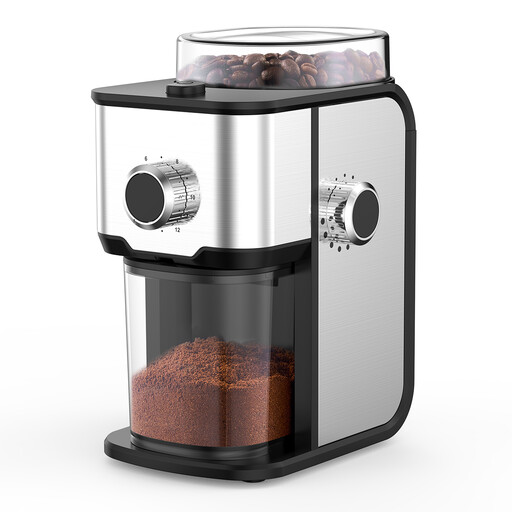
Why it's a good fit: Ideal for users switching from pre-ground coffee who want a straightforward, electric solution for daily filter coffee or French press without a large budget.
This model uses a true flat burr grinder instead of an inferior blade mechanism. With 14 grind settings, it offers a sufficient range for common brewing methods, avoiding the limitations of devices with only a few steps.
Delivers the convenience of an electric grinder and the quality of a burr grinder at an accessible price point. Its compact design also fits into any kitchen.
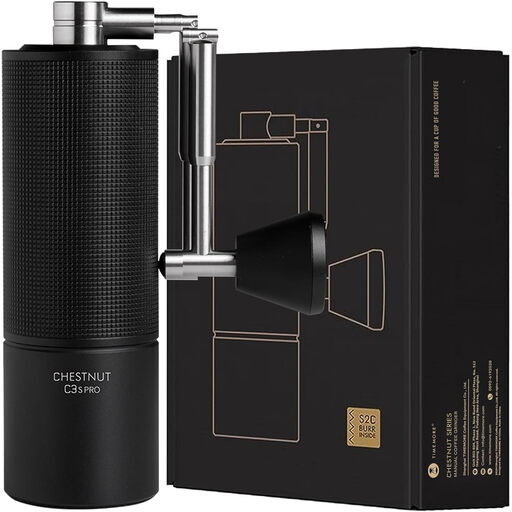
Why it's a good fit: For coffee lovers who want full control over the grinding process, value precision for espresso and pour-over, and need a high-quality, portable **manual coffee grinder** for home or travel.
The precise, stepped grind adjustment (approx. 36 steps) allows for fine-tuning for demanding methods. The all-metal aluminum construction minimises static, and the design ensures low retention.
The CNC-machined stainless steel conical burr delivers a highly uniform grind. The foldable handle and compact design make it ideal for travel.
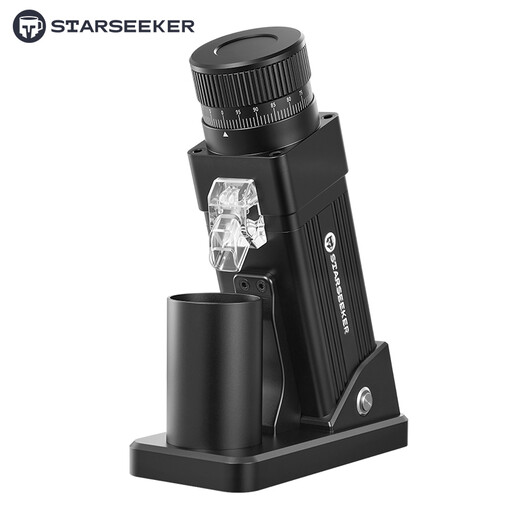
Why it's a good fit: Designed for home baristas who need a dedicated **electric coffee grinder** for espresso and demand maximum control over the grind size for the perfect extraction.
The stepless adjustment system with 0.01mm precision completely solves the problem of insufficient grind settings. An integrated plasma generator actively combats static electricity and prevents flying coffee grounds.
Offers professional features like a 55mm titanium alloy conical burr set and anti-static technology in a robust metal body designed for home use.
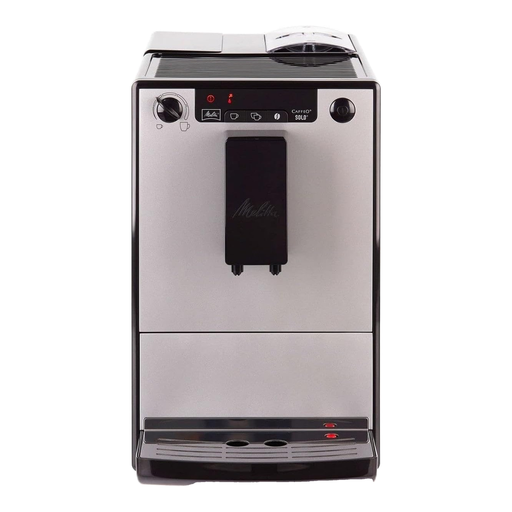
Why it's a good fit: For anyone who appreciates the taste of freshly ground coffee but prefers the convenience of an all-in-one solution. Grinding and brewing happen at the touch of a button.
As a fully automatic coffee machine with a built-in grinder, this device integrates the entire process. It eliminates the need to buy a separate grinder and coordinate settings. The system is optimised for consistent results.
Maximum convenience through the "bean-to-cup" principle. Features like the Aroma Extraction System and adjustable coffee strength offer customisation without the manual effort.
We have compiled a complete, up-to-date list of products that fully meet these strict selection criteria and German safety regulations.
Regular cleaning is crucial for taste and the longevity of your grinder. Never use water to clean the burrs, as this can lead to rust (on stainless steel) or damage the mechanics. The best tools are a small brush and an air blower to remove coffee grounds from the burrs and chute. On many models, the upper burr can be removed for more thorough cleaning.
As a general guideline:
The exact setting will depend on your specific grinder and the beans you are using.
That depends on your priorities. A manual coffee grinder often offers a better price-to-performance ratio in terms of grind quality, as the entire budget goes into a high-quality burr set rather than a motor. It is also quiet, portable, and doesn't require power. An electric coffee grinder, on the other hand, offers more convenience and speed, which is especially practical if you prepare larger quantities of coffee or are in a hurry in the morning.