Joybuy Insights

Coffee Grinder Buyer's Guide: Avoiding Common Mistakes

Switching from pre-ground powder to freshly grinding your own coffee beans is a crucial step toward a more aromatic coffee experience. However, the coffee grinder market is confusing and full of marketing promises that often lead to disappointment. Many buyers invest in a device that fails to meet their needs or delivers unusable results after a short time. As your Joybuy Product Recommendation Officer, I'll help you identify the key features and avoid common pitfalls.

This guide focuses on the three most common mistakes made when buying a coffee grinder and shows you which technical parameters truly matter.

The 3 Traps to Avoid When Buying a Coffee Grinder

  1. The Blade Grinder Dilemma: Many inexpensive electric coffee grinders use a blade mechanism. These devices don't grind the beans; they shatter them with rotating blades. The result is an inconsistent coffee grind, with a mix of fine dust and coarse chunks. During brewing, this leads to uneven extraction: the fine particles over-extract and make the coffee bitter, while the coarse ones under-extract, leaving a sour note.
  2. The Inaccurate Grind Setting Trap: A device might advertise "adjustable grind settings," but in practice, the steps are too coarse, or the results aren't reproducible. This leads to frustration, especially when preparing espresso, which requires a very fine and precise adjustment. Inadequate adjustability makes it impossible to unlock the full potential of your coffee beans and your coffee machine.
  3. The "One-Size-Fits-All" Illusion: Some manufacturers market their grinders as an all-in-one solution for every brewing method, from French press to espresso. However, it's technically challenging to design a grinder that delivers excellent and consistent results at both very coarse and very fine settings. Such devices are often a compromise that doesn't truly excel in any area.

What Really Matters: The Decisive Parameters of a Coffee Grinder

To avoid these traps, you should focus on three core technical aspects. These determine the quality of the grind and, therefore, the taste of your coffee.

1. The Grinder Type: The Heart of Every Grinder

The grinding mechanism is the most important component. You should know the fundamental differences:

  • Blade Grinder: As mentioned, these models chop the beans by impact. They are inexpensive but are only suitable for brewing methods that are forgiving of a very uneven grind, or for grinding spices.
  • Flat or Conical Burr Grinder: These grinders crush the coffee beans in a controlled manner between two grinding discs (flat burrs) or a cone-shaped burr and a ring. A coffee grinder with a conical burr or flat burr produces significantly more uniform coffee grounds. This allows for even extraction and is the foundation for a balanced coffee. For anyone who values taste, a burr grinder is the essential starting point.

2. Adjustable Grind Size: Precision for Every Brew Method

Each coffee brewing method requires a specific grind size for optimal results.

  • Coarse: French Press, Cold Brew
  • Medium: Drip Coffee, Pour-Over
  • Fine: Espresso, Moka Pot

A good coffee grinder with an adjustable grind size allows you to tailor the particle size precisely to your method. Pay attention to how many adjustment steps are available. For espresso lovers, a fine, ideally stepless or micrometric, adjustment is crucial to "dial in" the perfect shot.

3. Manual vs. Electric Coffee Grinder

The choice between a manual coffee grinder and an electric coffee grinder depends on your priorities.

  • Electric Coffee Grinder: Offers convenience and speed, especially if you prepare larger quantities of coffee. High-quality models with conical or flat burrs deliver excellent results but are often a larger investment.
  • Manual Coffee Grinder: Is often more affordable for comparable grind quality, operates quietly, and is portable. It's ideal for travel, the office, or for purists who celebrate the grinding process as a ritual. However, the grinding process requires manual effort.

Product Recommendations for Different User Profiles 2026

Here are some models that represent a considered choice for specific user profiles, based on objective criteria.
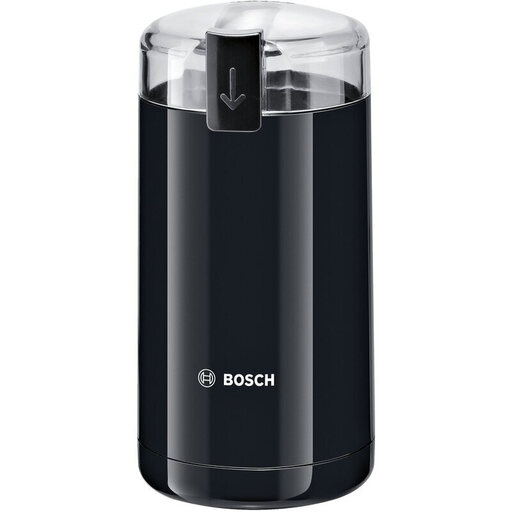
MATCH FOR: Budget-Conscious Beginners
Bosch TSM6A013B Electric Coffee Grinder, 180 W, 75 g Capacity, Stainless Steel Blade, Safety Lock, Black

Bosch TSM6A013B Electric Coffee Grinder

Why This Fits Their Persona: Ideal for users switching from pre-ground coffee who want a straightforward, budget-friendly solution for filter coffee or French press. Operation is self-explanatory, and the device has a small footprint.

How It Avoids the Trap

This model, with its blade grinder, is a deliberate entry point. It avoids the trap of disappointed expectations because it's honestly positioned for what it is: a simple device to start grinding coffee beans, not for precision espresso.

Key Advantage & Pros

Simple push-button operation and an integrated safety switch that only allows operation when the lid is on. The 75g capacity is sufficient for a full pot of coffee.

MATCH FOR: Discerning Home Baristas
HiBREW G5 Electric Coffee Grinder With 48mm Conical Burr 36 Gears Grinding Adjustable for Espresso/Turkish/Pour Over/Mocca/Drip Coffee

HiBREW G5 Electric Coffee Grinder

Why This Fits Their Persona: For coffee lovers who use an espresso machine or pour-over methods and require a precise, consistent grind. This model offers the necessary features for demanding preparations.

How It Avoids the Trap

With 36 grind settings and a 48mm conical burr made of CNC-machined steel, it avoids the trap of inaccurate grind adjustment. It provides the necessary precision for a consistent espresso coffee grinder.

Key Advantage & Pros

The high-quality conical burr ensures a uniform grind. The slow-grind option reduces heat buildup, preserving the coffee beans' delicate aromas.
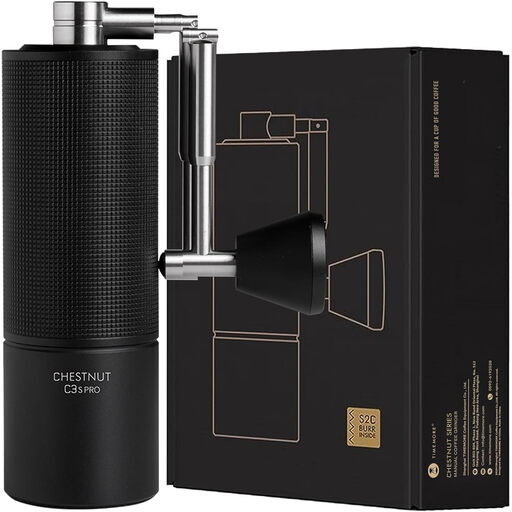
MATCH FOR: Mobile Coffee Connoisseurs
TIMEMORE Chestnut C3S Pro All-Metal Coffee Grinder Manual with Precise Grinding Adjustment, Stainless Steel and Conical Grinder, Foldable Handle Bean Container 25 g Coffee Grinder - Black

TIMEMORE Chestnut C3S Pro Manual Coffee Grinder

Why This Fits Their Persona: Perfect for travelers, campers, or office commuters who don't want to give up freshly ground coffee on the go. The compact design and foldable handle make it extremely portable.

How It Avoids the Trap

This manual coffee grinder bypasses the "one-size-fits-all" illusion by focusing on portability and grind quality. It offers the precision of a stationary device in a travel-friendly format.

Key Advantage & Pros

The 38mm stainless steel conical burr and precise grind adjustment with approx. 36 steps enable consistent results for various brewing methods. The all-metal body is robust and durable.

Looking for more options?

We have compiled a complete, up-to-date list of products that fully meet these strict selection criteria and German safety regulations.

Frequently Asked Questions (FAQ)

1. How do I clean a coffee grinder properly? Always unplug the device from the power source before cleaning. For a blade grinder, it's usually sufficient to wipe the housing and grinding chamber with a damp cloth. For a coffee grinder with a conical or flat burr, the burrs should never come into contact with water, as they can rust. Use a small brush or an air blower to remove coffee ground residue. For a more thorough cleaning, there are special cleaning pellets that are ground through the mechanism to bind and remove coffee oils.

2. Which grind size is right for my coffee preparation? As a rule of thumb: the shorter the contact time between water and coffee, the finer the grind should be.

  • Very Coarse: Cold Brew
  • Coarse: French Press
  • Medium: Drip coffee machine, Pour-over (e.g., V60), AeroPress
  • Fine: Espresso machine, Moka pot (stovetop)
  • Very Fine: Turkish coffee (Cezve/Ibrik) Start with a recommended setting and adjust to taste. Coffee that is too sour indicates a grind that is too coarse, while a bitter taste suggests it's too fine.

3. Is a manual coffee grinder worth it compared to an electric one? That depends on your needs. A manual coffee grinder often offers better value for money in terms of grind quality. It's quiet, portable, and requires no electricity. The downside is the manual effort and smaller capacity. An electric coffee grinder is more convenient and faster, ideal for daily use or larger quantities. However, you often have to invest more to get the same grind quality as a good manual grinder. The decision comes down to convenience versus budget.