What should you look for when buying?
For anyone making filter coffee for several people in the morning, the figures below give a rough indication of how important each key buying consideration is.
| Buying consideration |
What to look for |
Who is this especially important to? |
| Enough for the pot |
Compare your usual portion of beans in grams with the dosing function and grounds container; consider hopper capacity and the amount dispensed separately. |
If I’m grinding enough for a pot for several people in the morning, I want the portion to fit into my routine without unnecessary refilling. Around 28% of consumers prioritise quantity for this reason. |
| Filter grind setting |
Check whether the manufacturer specifies filter coffee as part of the adjustment range; the number of settings alone doesn’t tell you how the coffee will turn out using your own brewing method. |
If I want to adjust the grind for my filter method, a clearly stated filter range is important. Around 22% of consumers put this first. |
| Consistent dosing |
Distinguish between cup selection, timed grinding and weighing by gram; choose the dispensing method that suits the amount you want. |
For consumers who make the same pot regularly, the most important thing is being able to repeat the dose in everyday use. Around 22% prioritise this. |
| Cleaning |
Check which parts can be removed and what the instructions recommend for cleaning; don’t treat a manufacturer’s claims about anti-static features as an independent comparison of how clean different grinders are. |
If I grind regularly, I want to know how easily I can reach any residue and which parts can be cleaned. Around 17% of consumers say the effort involved in maintenance is a deciding factor. |
| Less effort in the morning |
Consider whether you’d rather grind electrically or by hand; with a hand grinder, allow for turning the handle and possibly grinding more than once. |
If you want to do as little by hand as possible in the morning, pay particular attention to how the grinder operates. Around 11% of consumers put this convenience first. |
Joybuy product selection
This selection includes products for filter coffee: a filter coffee machine with an integrated grinder, electric coffee grinders and hand grinders. For each model, check that the grind setting, dosing and effort involved suit the amount you make for breakfast.
 No image available
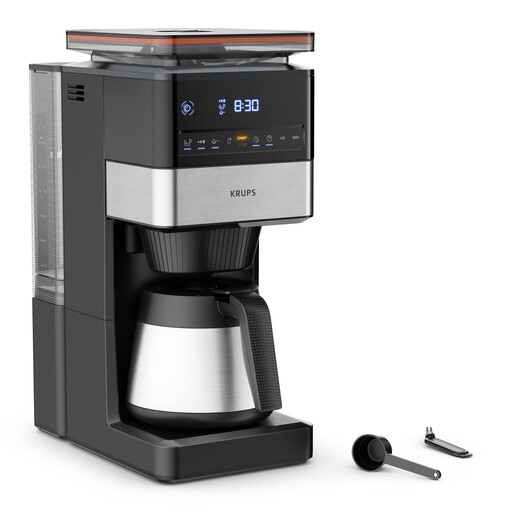
KRUPS Grind Aroma XL KT842810
For making several cups of filter coffee when you want to combine brewing and grinding in one appliance.
Integrated, removable conical burr grinder with three grind settings; thermal carafe; 1.25 l capacity, designed for 10–15 cups.
View at Joybuy
 No image available
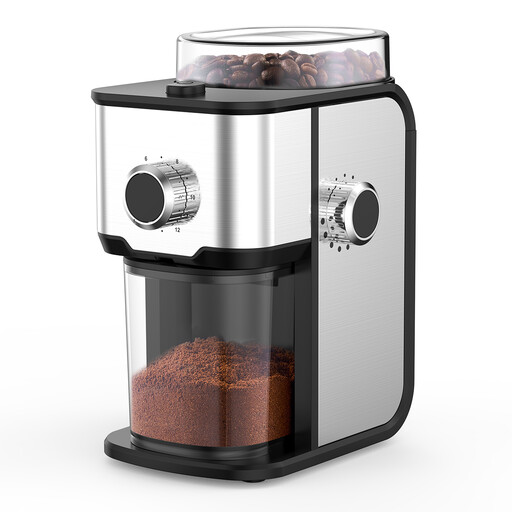
Ollygrin BG705 electric coffee grinder
For anyone who wants to choose from several grind settings and use a cup selector on an electric grinder.
14 grind settings; according to the product description, designed for 2–12 cups.
View at Joybuy
 No image available
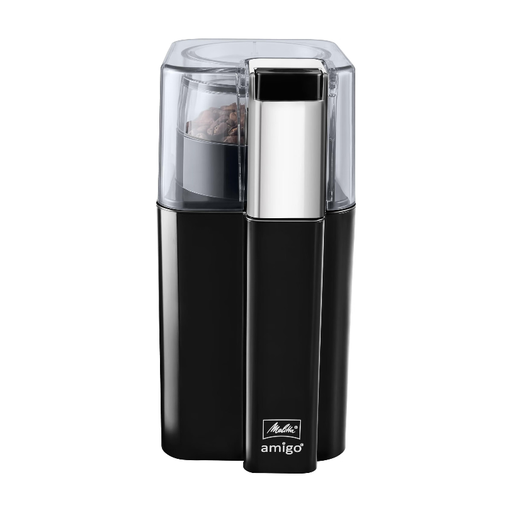
Melitta Amigo
For anyone who wants to grind beans electrically and control how fine they are by how long they hold down the button.
Blade grinder; stated capacity of up to 60 g or 2–8 cups. Grind fineness is controlled by grinding time, rather than through comparable numbered grind settings.
View at Joybuy
 No image available
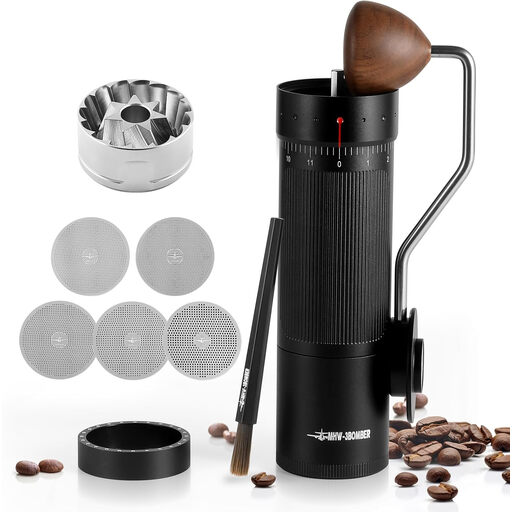
MHW-3BOMBER R3 G5847B-OS
For anyone who wants to grind filter coffee by hand and adjust the grind using an external setting.
60 clicks per revolution and five sieves; the collection cup holds around 20 g. Larger portions may require several grinding sessions, and turning the handle takes manual effort.
View at Joybuy
 No image available
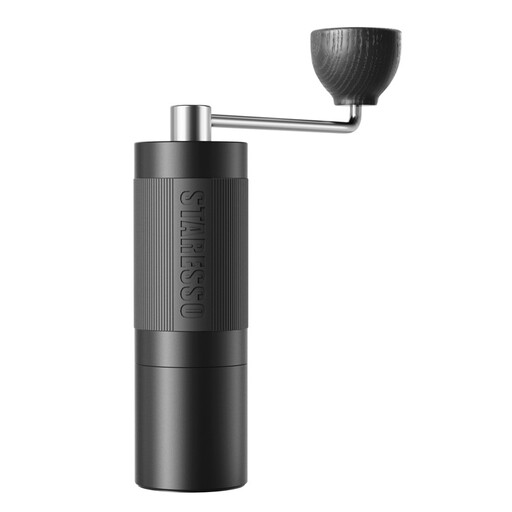
STARESSO D6 PLUS
For anyone who wants to grind coffee for pour-over by hand and use a click-based grind setting.
20 g capacity; internal grind adjustment and a CNC-machined stainless steel conical burr grinder. Larger portions may require several grinding sessions, and turning the handle takes manual effort.
View at Joybuy
Frequently asked questions
How do I find the right grind setting for filter coffee?
Start with the filter range in the instructions for your specific model, then adjust the grind to suit your beans and brewing method. Melitta recommends settings 6–26 for filter coffee on the Calibra; this guidance doesn’t apply to other grinders.
What should I bear in mind when setting up and cleaning the grinder?
For an electric grinder, make sure the power supply is compatible with the appliance specifications, and follow the instructions for cleaning removable parts. For example, the Gastroback 42644 is specified for 220–240 V AC. Melitta warns against using caramelised or freeze-dried beans, or ground coffee in the Molino’s bean hopper, as unsuitable material can clog the grinder.
Are a manufacturer’s guarantee and your statutory rights the same thing?
No. When you buy from a trader in the EU as a consumer, you have a statutory guarantee of at least two years from the date you receive the goods. Any additional manufacturer’s guarantee has its own terms and conditions, so check the details for the specific model.
What CE requirements apply to electric coffee grinders?
Electrical equipment covered by the EU Low Voltage Directive must meet the relevant conformity and CE requirements. This includes equipment with a rated voltage of 50–1,000 V AC or 75–1,500 V DC. A hand grinder isn’t subject to these electrical requirements simply because it grinds coffee. The CE marking is the manufacturer’s declaration of conformity, not an independent quality mark for the grinding result.
Can a broken electric coffee grinder go in household waste?
No. The German Environment Agency explains that waste electrical equipment must be collected separately and lists free return options, including local collection points. Retailers may also accept returns, subject to the applicable conditions.


