
Lieferung heute & morgen

Qualitätsgarantie

Willkommens-Angebote freischalten: KOSTENLOSE Lieferung | Bis zu 80 % RABATT | Kostenlose 30-Tage-JoyPlus-Testphase
App herunterladen
Choosing a new coffee machine can quickly become overwhelming. The market is filled with hundreds of models, all advertising numerous features and promises. But not every advertised feature is genuinely useful in daily life. Many buyers only realise after a few weeks that they've paid for functions they never use, or that the daily cleaning is unexpectedly time-consuming.
As your Joybuy Product Recommendation Officer, I'll help you identify these common pitfalls. Instead of being swayed by marketing buzzwords, we'll focus on the crucial criteria that separate a great coffee machine from an impractical one.
Before we dive into the technical details, let's look at three common issues that often lead to dissatisfaction:
To make an informed decision, you should understand three core technical aspects. These are the primary determinants of your machine's taste, convenience, and longevity.
The heart of any machine is how the water meets the coffee grounds. There are fundamental differences here:
A coffee machine with a grinder is a significant advantage for aroma, as the beans are ground immediately before brewing. Look for the following features:
For lovers of milk-based coffee specialities, the type of milk frother is crucial:
The right machine depends on your personal habits and requirements. Here are some models tailored to specific profiles.
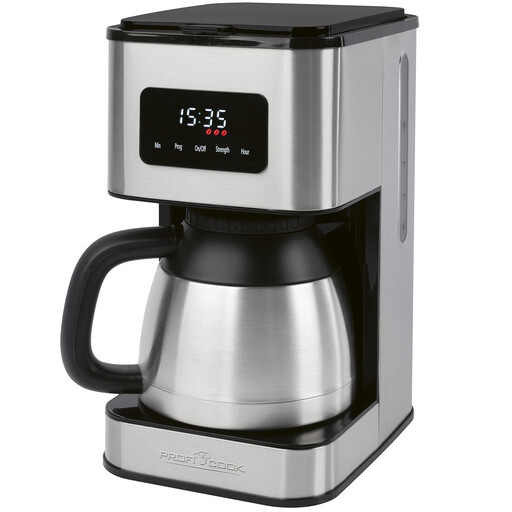
Why this model is a great fit: Ideal for anyone who wants to easily brew a large amount of classic filter coffee in the morning or for guests. The coffee machine with a thermal carafe keeps coffee hot for hours without it turning bitter on a warming plate. The programmable timer ensures that coffee is ready when you need it.
This model avoids the feature overload trap. It focuses on one task—brewing good filter coffee—and complements it with useful functions like a timer and aroma selection, without overwhelming the user with unnecessary options.
Double-walled stainless steel thermal carafe for long-lasting temperature. Electronic 3-stage aroma selection. Programmable 24-hour timer.
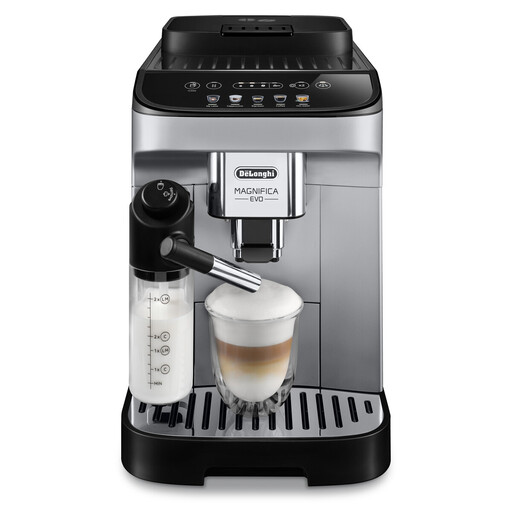
Why this model is a great fit: Perfect for busy professionals and anyone who wants to enjoy a variety of drinks like espresso, coffee, or cappuccino at the touch of a button. Operation via colour icons is intuitive, and preparation, including milk foam, is fully automatic.
This De'Longhi coffee machine addresses the hidden cleaning effort. The LatteCrema system has an automatic cleaning function that rinses the milk lines at the touch of a button after each use. The brewing unit is also completely removable and can be easily rinsed under running water.
7 one-touch buttons for the most popular drinks. Automatic milk system with a self-cleaning function. Removable, low-maintenance brewing unit for easy hygiene.
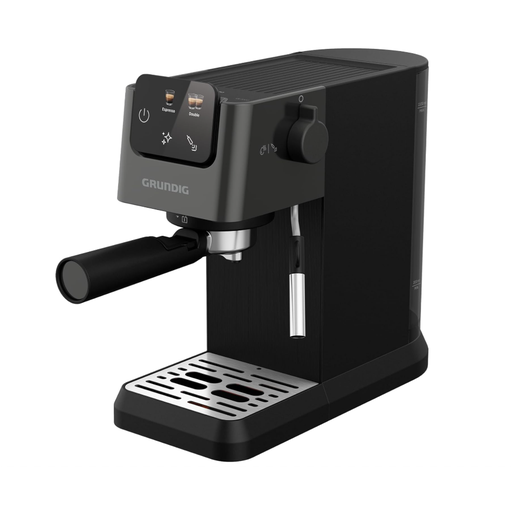
Why this model is a great fit: For coffee enthusiasts who want to take control of the brewing process. A portafilter machine like this offers full control over the grind size (with a separate grinder), coffee amount, and tamping pressure. The manual steam wand allows you to master the art of perfect milk foam preparation.
This machine is the antithesis of feature overload. It's a tool that gives the user control rather than taking it away through automation. Its mechanics are simpler compared to a fully automatic machine, which simplifies maintenance and reduces potential points of failure.
15 bar pump pressure for a balanced espresso extraction. Manual milk frothing nozzle for full control over foam consistency. Touch display for intuitive operation of basic functions.
We have compiled a complete, up-to-date list of products that fully meet these strict selection criteria and German safety regulations.
The frequency of descaling depends on the water hardness in your area and how often you use it. As a rule of thumb, descaling is recommended every 1 to 3 months. Many modern fully automatic coffee machines, and even some filter machines, have a built-in reminder function. Regular descaling is important because limescale deposits can impair heating performance, negatively affect the coffee's taste, and lead to long-term damage to the machine.
A drip coffee maker typically has a power rating of about 800-1000 watts, which is used during the brewing process and for the warming plate. A fully automatic machine has a higher peak power (approx. 1450 watts) for rapid heating and the grinder. However, fully automatic machines usually switch to a standby mode or turn off completely after preparation, whereas a drip coffee maker with a warming plate consumes power continuously. With mindful use, the differences in overall consumption are often smaller than expected.
Many, but not all, fully automatic coffee machines offer this option. Models like the featured De'Longhi coffee machine have a separate powder chute. This is useful if you want to prepare decaffeinated coffee, for example, or try a different coffee variety without having to empty the bean container. Before purchasing, check the product description for "powder chute" or "suitable for ground coffee".