
Lieferung heute & morgen

Qualitätsgarantie

Willkommens-Angebote freischalten: KOSTENLOSE Lieferung | Bis zu 80 % RABATT | Kostenlose 30-Tage-JoyPlus-Testphase
App herunterladen
The search for the right coffee machine can quickly become overwhelming. Manufacturers advertise a multitude of features, but not every innovation is worth the extra cost. Many buyers only realise after a few months that their new device has high running costs, requires more cleaning than expected, or that the coffee quality doesn't meet their expectations. Before you make a decision, you should be aware of the three most common pitfalls that can lead to a bad purchase.
To make an informed decision, it helps to understand a few technical basics. These three parameters are crucial for the quality of your coffee and the longevity of your machine.
The brewing method largely determines the character of the coffee. A fundamental distinction is made between high-pressure and low-pressure systems.
For lovers of fresh coffee, a coffee machine with a grinder is a worthwhile investment. The quality of the grinder has a direct impact on the aroma.
Anyone who enjoys a cappuccino or latte macchiato needs a coffee machine with a milk frother. The systems vary greatly in convenience and cleaning effort.
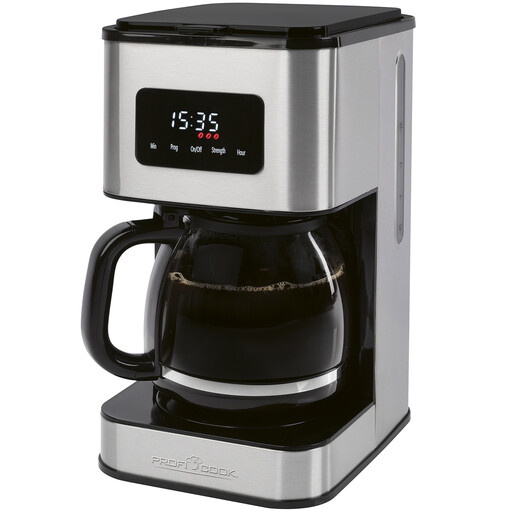
Why this model is a great fit: Ideal for families or small offices that need large quantities of coffee without any fuss. Preparation is simple, fast, and the cost per cup is very low.
This model focuses on a single function—filter coffee—thus avoiding the compromises of an "all-in-one" device. The running costs are minimal, as only coffee grounds and filters are needed.
Large capacity for 12–14 cups (approx. 1.5 litres). Programmable timer and aroma selection function for customised coffee enjoyment in the morning.
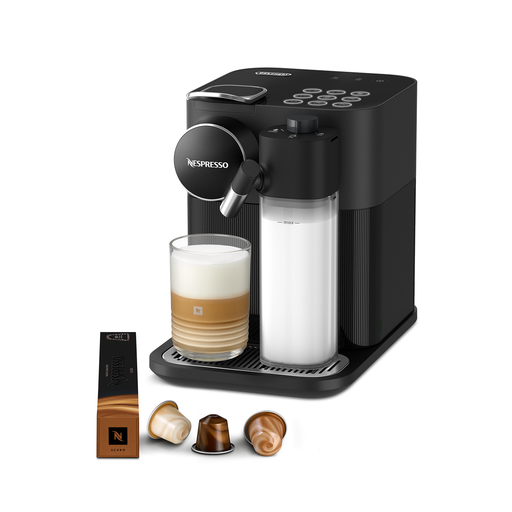
Why this model is a great fit: Perfect for anyone who wants to enjoy a variety of coffee specialities with milk at the touch of a button, without having to deal with the details of preparation.
The one-touch milk system is designed for easy operation and cleaning. A rinse alert after each milk preparation helps manage the cleaning effort (Pitfall 3) and ensure hygiene.
Prepares Ristretto, Espresso, Lungo, as well as Cappuccino, Latte Macchiato, and Flat White at the touch of a button. The milk container is detachable and dishwasher-safe.
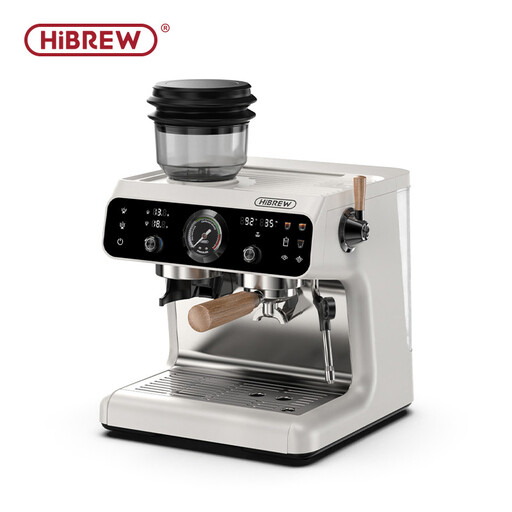
Why this model is a great fit: For coffee lovers who want to control the entire process from bean to espresso and learn the art of coffee making.
This is a specialised portafilter machine, not a compromise-laden fully automatic one. It offers professional components like a dual boiler system and a 58mm brew head, sidestepping the "all-in-one" promise pitfall.
Integrated conical burr grinder with 30 grind settings. Dual boiler allows for simultaneous brewing and milk frothing. PID temperature control for stable brewing temperatures.
We have compiled a complete, up-to-date list of products that fully meet these strict selection criteria and UK/EU safety regulations.
The frequency depends on the water hardness in your area and your usage. As a rule of thumb, descale your machine every two to three months, or as soon as the machine indicates it's necessary. Regular descaling extends the life of the machine and ensures consistent coffee quality.
The systems use different brewing methods and capsule shapes. Nespresso Original machines use high pressure (up to 19 bar) and specialise in classic espresso-based drinks. Nespresso Vertuo machines use a centrifugal technology ("Centrifusion") to extract the coffee and are designed for various cup sizes, from espresso to a large mug of coffee. The capsules for the two systems are not compatible with each other.
No. The grind size of the coffee powder must be matched to the brewing method. Filter coffee machines require a medium to coarse grind. For a portafilter machine or an espresso machine, a very fine grind is necessary to ensure proper extraction under high pressure. With a bean-to-cup machine with a grinder, the bean is freshly ground, so you only need to select the right type of beans.