
Lieferung heute & morgen

Qualitätsgarantie

Willkommens-Angebote freischalten: KOSTENLOSE Lieferung | Bis zu 80 % RABATT | Kostenlose 30-Tage-JoyPlus-Testphase
App herunterladen
The search for the right coffee machine can quickly become overwhelming. The market is flooded with hundreds of models, each advertising impressive features and modern designs. But not every investment leads to the desired coffee enjoyment. Many buyers fall into recurring traps set by clever marketing, ending up with a device that fails to meet their expectations.
As your Joybuy Product Recommendation Officer, I'm here to help you identify these pitfalls. Instead of being guided by marketing promises, we will focus on the facts that truly matter. Here are three common misconceptions that lead to costly mistakes:
espresso machine. However, high pressure alone does not guarantee a good espresso. A consistent brewing temperature and a uniform grind are just as crucial. A machine that relies solely on pressure but falters on temperature control often delivers sour or burnt results.coffee machine with a grinder and an integrated milk frother sounds convenient. However, in budget-friendly models, this often means that corners have been cut everywhere. A subpar grinder destroys the aroma of the beans, and a weak milk frother produces more soap bubbles than creamy foam. The result is a compromise that fails to impress in any single category.capsule machine is often very inexpensive to purchase. The true costs, however, only become apparent during day-to-day use. Proprietary capsules that are only compatible with one manufacturer's machine can quickly drive up the price per cup of coffee, negating the initial savings.To make an informed decision, it's essential to understand the technical fundamentals that genuinely make a difference.
Before you decide on a model, you should examine three core aspects. These are the primary determinants of your machine's flavour, ease of use, and durability.
The first and most important decision concerns the type of machine, as it should be directly tailored to your needs.
For a coffee machine with a grinder, the quality of the grinder is crucial. An adjustable conical or flat burr grinder, preferably made of ceramic or hardened steel, allows you to precisely match the grind size to the coffee bean, thus extracting the full aroma.
Equally important is the brew group. A removable brew group is a significant advantage. It can be easily cleaned under running water, which prevents the build-up of mould and coffee oil residue, ensuring consistent taste and a long lifespan for the machine.
If you enjoy milk-based coffee specialities, the type of milk frother is relevant.
Here are some recommendations tailored to different user profiles that cleverly avoid the pitfalls mentioned earlier.
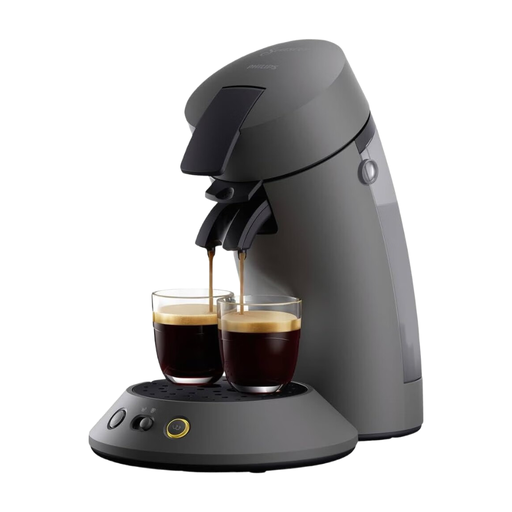
Why This Fits Their Persona: Ideal for users seeking a straightforward, fast, and cost-effective solution for their daily coffee. Preparing one or two cups at the touch of a button fits perfectly into a hectic lifestyle.
The device avoids the "all-in-one" trap by focusing on a single function: preparing pod coffee. The running costs remain manageable due to the wide availability and competition among Senseo pods.
Coffee strength selection for mild or strong coffee; preparation of two cups simultaneously; parts are dishwasher-safe for easy cleaning.
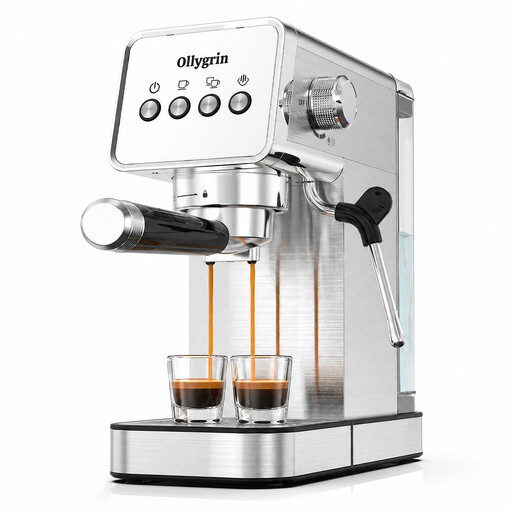
Why This Fits Their Persona: This portafilter machine provides the manual control necessary for preparing authentic espresso. With the steam wand, users can perfect their milk frothing and develop their latte art skills.
It bypasses the "all-in-one" trap by focusing on the core functions of an espresso machine. Instead of a mediocre integrated grinder, the user invests in a solid brewing and steaming unit.
20-bar pump for good extraction; manual steam wand for control over milk foam; removable 1.2-litre water tank for easy handling.

Why This Fits Their Persona: This fully automatic machine is perfect for anyone who wants to enjoy a wide variety of drinks from freshly ground beans at the touch of a button, without having to deal with the details of the brewing process.
As a De'Longhi coffee machine, it utilises proven technologies. The LatteCrema system and the adjustable grinder ensure that the "all-in-one" features deliver high quality and are not just a marketing gimmick.
7 one-touch recipes; automatic LatteCrema milk system with MyLatte function to prevent milk waste; removable, dishwasher-safe parts for easy cleaning.
We have compiled a complete, up-to-date list of products that fully meet these strict selection criteria and German safety regulations.
The frequency of descaling depends on the water hardness in your area and how often you use the machine. As a rule of thumb, you should descale every two to three months. Many modern fully automatic and capsule machines have a built-in indicator that automatically reminds you when descaling is necessary. Always use the descaling agents recommended by the manufacturer or those suitable for coffee machines to avoid damaging the pipes.
In general, filter coffee machines and portafilter machines, for which you use ground coffee or whole beans, have the lowest cost per cup. The price of a kilogram of beans yields a far greater amount of coffee than the same amount spent on capsules. Fully automatic coffee machines are in the mid-range, while capsule machines typically have the highest running costs per cup due to the more expensive, brand-specific capsules.
No, to prepare a cappuccino or latte macchiato, you need a machine that can froth milk. This requires either a manual steam wand, as found on most portafilter machines, or an automatic milk system, which is integrated into many fully automatic coffee machines. A conventional filter coffee machine or a basic capsule machine without this feature cannot produce milk foam.