
Lieferung heute & morgen

Qualitätsgarantie

Willkommens-Angebote freischalten: KOSTENLOSE Lieferung | Bis zu 80 % RABATT | Kostenlose 30-Tage-JoyPlus-Testphase
App herunterladen
The search for the right coffee machine can quickly become overwhelming. The market is flooded with devices promising a multitude of features, but not every innovation adds genuine value. Often, well-intentioned purchases lead to frustration when the device proves impractical or incurs unexpected running costs. This guide will help you identify common pitfalls and make an informed decision that perfectly matches your coffee habits.
Before you decide on a model, you should be aware of the most common marketing promises and their potential downsides.
To avoid these pitfalls, you should carefully examine three core parameters. These determine not only the taste but also the long-term costs and the daily handling of the machine.
The type of preparation is the most fundamental decision. Each method has specific advantages and disadvantages regarding taste, effort, and cost.
Pay attention to the materials used. Stainless steel is durable and hygienic, while plastic housings are often more affordable. Crucial for daily use is how easily the device can be cleaned. Removable and dishwasher-safe parts (like the brew group, drip tray, or carafe) significantly reduce manual effort. With an aluminum moka pot, on the other hand, hand washing with clear water is recommended to preserve the patina that contributes to the aroma.
Calculate not only the purchase price but also the ongoing costs. Compare the prices of coffee beans, ground coffee, and capsules. A capsule can easily cost 40 cents or more, while a cup of drip coffee often costs only a few cents. Also, consider the cost of cleaning agents and water filters, which are required regularly for some machines.
Here are some recommendations tailored to different needs and lifestyles, specifically designed to avoid the pitfalls mentioned.
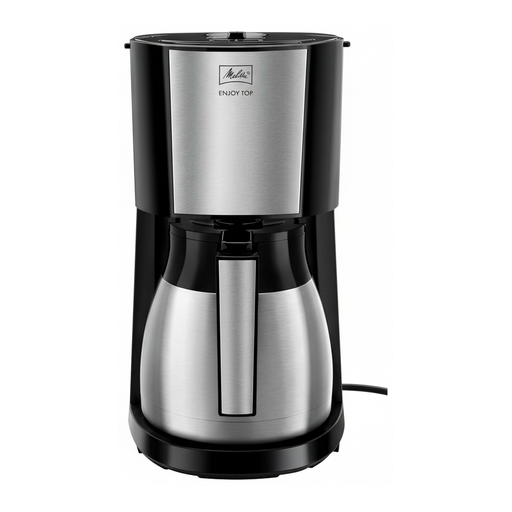
Why this model is a great fit: Ideal for the home office or family where larger quantities of coffee are needed regularly. The machine is streamlined to the essentials and easy to operate.
The stainless steel thermal carafe keeps coffee hot for hours without needing an energy-intensive hot plate that makes the coffee bitter. There is no system lock-in, and the cost per cup is minimal.
AromaSelector to adjust coffee strength. Removable filter holder and carafe are dishwasher-safe. Capacity for up to 10 cups.
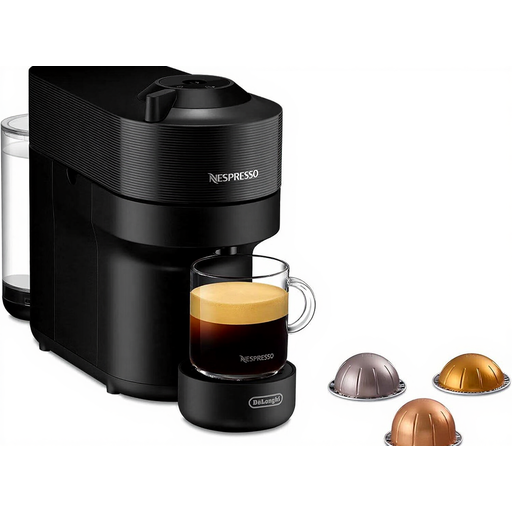
Why this model is a great fit: Perfect for a quick but high-quality coffee in the morning or for guests. Operation is incredibly simple, and the result is always consistent thanks to barcode recognition.
The machine is extremely compact and fits into any kitchen. The cleaning effort is minimal as the capsules are automatically ejected. The included Aeroccino milk frother is separate and easy to clean.
Centrifusion technology for a rich crema. Automatic adjustment of brewing parameters (cup size, temperature) via barcode scan. Four different cup sizes possible.
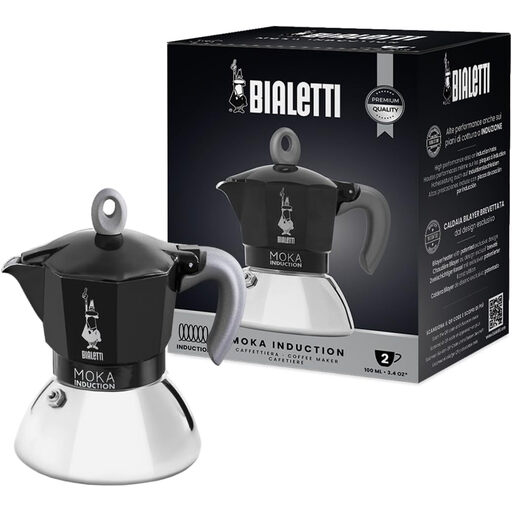
Why this model is a great fit: For those who celebrate coffee preparation as a mindful ritual and appreciate a strong, aromatic coffee. It combines classic design with modern functionality.
This device is purely mechanical and extremely durable. There are no electronics that can fail and no running costs from capsules. Cleaning is simple and done with just water.
The combination of an aluminum top and a stainless steel boiler makes the Moka pot suitable for all stovetops, including induction. Iconic design, proven since 1933.
A carefully prepared coffee only reveals its full aroma in the right vessel. A strong espresso or an aromatic drip coffee is best enjoyed in a suitable cup, which perfectly completes the experience.
Great coffee deserves a great cup. Discover our selection of accessories that will complete your coffee enjoyment.
The frequency depends on the water hardness in your region and your usage. As a rule of thumb, with daily use and medium-hard water, a drip coffee maker or capsule machine should be descaled every two to three months. Many modern devices have an automatic descaling indicator to remind you.
The grind size is crucial for the aroma. For a drip coffee maker, a medium grind is suitable. For a moka pot, a finer grind than for drip coffee is recommended, but not as fine as for a portafilter machine. A portafilter machine requires a very fine, espresso-specific grind to ensure optimal extraction in a short time.
Both prepare strong coffee, but the method is different. A moka pot uses about 1.5 to 2 bars of pressure to create an espresso-like coffee on the stovetop. A portafilter machine operates with high pressure (typically 9 bars or more) generated by an electric pump. This results in a true espresso with a dense, stable crema, which is physically impossible to achieve with a moka pot.