
Lieferung heute & morgen

Qualitätsgarantie

Willkommens-Angebote freischalten: KOSTENLOSE Lieferung | Bis zu 80 % RABATT | Kostenlose 30-Tage-JoyPlus-Testphase
App herunterladen
Choosing a new coffee machine can quickly become overwhelming. The market is flooded with hundreds of models, all advertising numerous features and grand promises. But not every expensive feature is useful in daily life, and some budget-friendly deals turn into cost traps due to high running expenses.
As your Joybuy Product Recommendation Officer, I'm here to help you navigate the marketing jungle. We'll focus on the facts so you can make an informed decision and find a machine that truly fits your needs. Before you invest your money, you should be aware of the three most common pitfalls:
To avoid these traps, you should focus on a few crucial technical features. These are what primarily determine the quality of your coffee and the longevity of the machine.
Pump Pressure (in bars): This value is especially relevant for an espresso machine or a fully automatic coffee machine. For a true espresso with a stable crema, a pressure of at least 9 bars at the brew group is required. Most machines advertise 15 to 20 bars, which provides an ample buffer. For a classic drip coffee maker, however, this value is irrelevant, as the water flows through the coffee grounds without pressure.
The Heating System: The way the water is heated affects the heat-up time and temperature stability.
Grinder and Milk System: If you opt for a coffee machine with a grinder, look for a conical or flat burr grinder made of ceramic or stainless steel. It's important that the grind size can be adjusted in multiple steps to adapt the extraction to the specific beans. For a coffee machine with a milk frother, there are two options: manual steam wands, which require some practice, and fully automatic systems that deliver milk foam directly into the cup at the touch of a button and often feature a self-cleaning program.
Instead of presenting an overwhelming list, we have selected models that fit specific user profiles and skilfully avoid the pitfalls mentioned.
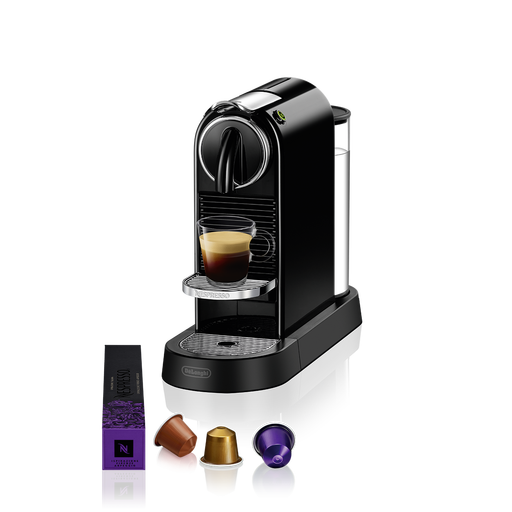
Why this model is a great fit: Ideal for anyone who wants a consistent espresso or lungo without fuss or waiting time. Its compact design fits even in small kitchens or offices. Operation is reduced to two buttons—it doesn't get any simpler.
This machine bypasses the Feature Trap by focusing on the essentials. It doesn't try to be a bean-to-cup machine. The ongoing costs per capsule are transparent and predictable.
Very short heat-up time of only approx. 25 seconds thanks to the Thermoblock. The 19-bar pump pressure ensures good extraction and crema formation.
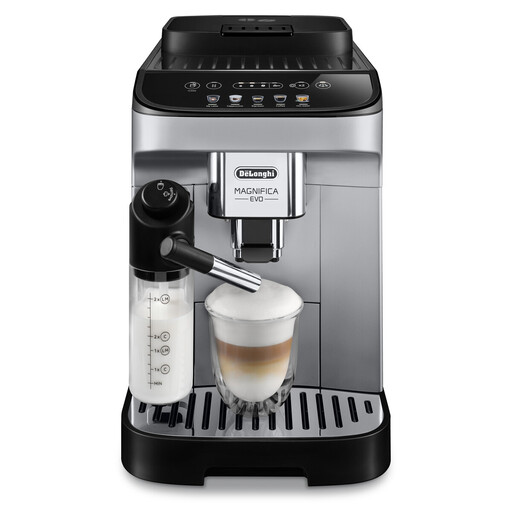
Why this model is a great fit: For households where variety is a priority. This De'Longhi fully automatic coffee machine prepares espresso, coffee, cappuccino, and latte macchiato at the touch of a button. It offers the convenience of a bean-to-cup machine without excessive complexity.
The Hygiene Trap is mitigated by the milk system's automatic cleaning program and the removable, dishwasher-safe parts. The intuitive, colour-coded icon interface avoids the Feature Trap.
The LatteCrema system automatically produces creamy milk foam. The MyLatte function uses the exact amount of milk poured into the container, so no leftovers need to be stored in the fridge.
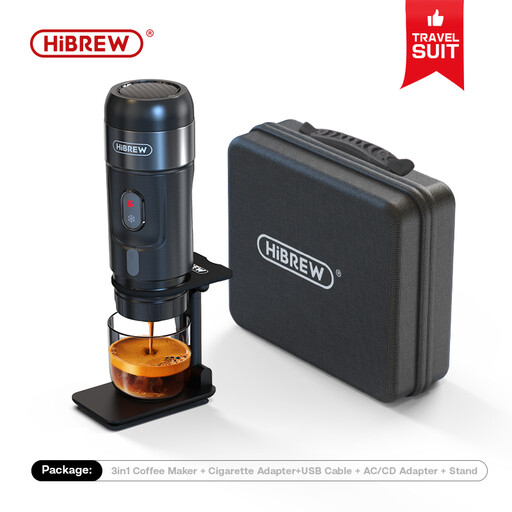
Why this model is a great fit: The solution for commuters, campers, or travellers who don't want to give up good espresso on the go. This portable coffee machine is designed for mobile use and works directly in your car.
This device is a specialist and doesn't try to be an all-in-one home solution. It solves a specific problem, thereby avoiding the unnecessary compromises often found in multi-purpose gadgets.
Operates via DC 12V (car cigarette lighter). It's compatible with various capsule systems (Nespresso, Dolce Gusto) as well as ground coffee, providing high flexibility on the road.
We have compiled a complete, up-to-date list of products that fully meet these strict selection criteria and high safety standards.
The frequency depends on the water hardness in your area and how often you use it. A good rule of thumb is to descale the machine every two to three months. Many modern fully automatic and capsule machines have a built-in indicator that automatically reminds you when descaling is necessary. Using a water filter can extend these intervals.
A fully automatic coffee machine is designed for maximum convenience: it grinds the beans, brews the coffee, and froths the milk at the touch of a button. A portafilter machine, on the other hand, gives the user full manual control over every step of the process—from the grind size and tamping the coffee grounds to the extraction time. It is aimed at home baristas who want to perfect their brewing technique.
The purchase price of a capsule machine is often lower than that of a fully automatic one. However, the cost per cup is typically higher with capsules than when using whole beans. Whether a capsule machine is cost-effective depends on your coffee consumption. For occasional drinkers who value convenience and variety, it can be a suitable solution. For high daily consumption, the running costs of a fully automatic machine are usually lower.