
Lieferung heute & morgen

Qualitätsgarantie

Willkommens-Angebote freischalten: KOSTENLOSE Lieferung | Bis zu 80 % RABATT | Kostenlose 30-Tage-JoyPlus-Testphase
App herunterladen
The search for the right coffee machine can quickly become overwhelming. The market is filled with devices promising a multitude of features. But not every innovation is relevant for daily use or worth the extra cost. As your Joybuy Product Recommendation Officer, I'll help you identify the essential features and avoid common purchasing pitfalls.
Many buyers invest in machines with complex menus and numerous special programs that are rarely used after the initial curiosity wears off. Another common weakness is material quality: plastic parts that are constantly in contact with hot water can not only compromise the machine's longevity but also potentially affect the coffee's taste. Also, pay attention to realistic capacity claims. A "12-cup" specification often refers to small 125 ml demitasse cups, not the standard-sized coffee mugs used in many homes.
To make an informed decision, you should focus on a few key parameters that directly impact the quality of your coffee and the machine's durability.
The heart of any coffee machine is the brew group, where hot water meets the coffee grounds. The material here is crucial. Components made of stainless steel are often a more durable and taste-neutral choice compared to plastic parts. On a portafilter machine, for example, a solid portafilter and a metal brew group are indicators of stable temperature control and even extraction. Even with a classic drip coffee maker, a high-quality water outlet ensures better water distribution over the coffee grounds.
The ideal brewing temperature for coffee is between 92°C and 96°C (198°F and 205°F). If the temperature deviates significantly, the coffee can quickly taste watery, sour, or bitter. While many manufacturers don't explicitly state this value, consistent temperature performance is a hallmark of well-engineered machines.
Another important point is the type of carafe:
The choice of machine type depends entirely on your personal preferences:
Here are a few recommendations tailored to different user profiles that avoid the pitfalls mentioned earlier.
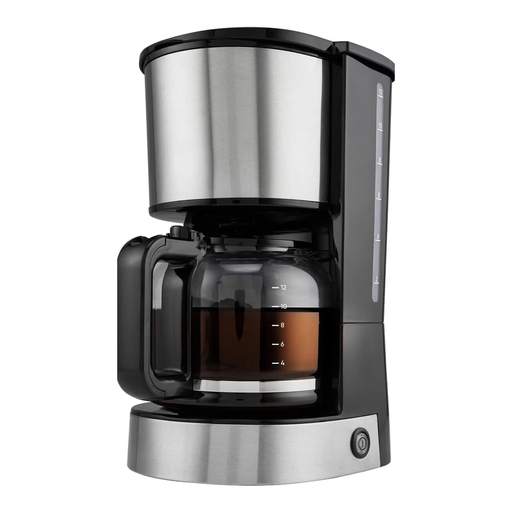
Why it's a great fit: Ideal for families or the office, where a large amount of coffee is needed reliably and without fuss. Its operation is streamlined to the essentials.
This model forgoes complex, rarely used programs. It focuses on a reliable brewing function with a realistic capacity of 1.5 litres (approx. 12-14 cups).
The warming plate with automatic shut-off and the drip-stop feature provide everyday convenience. The filter basket is removable for easy cleaning.
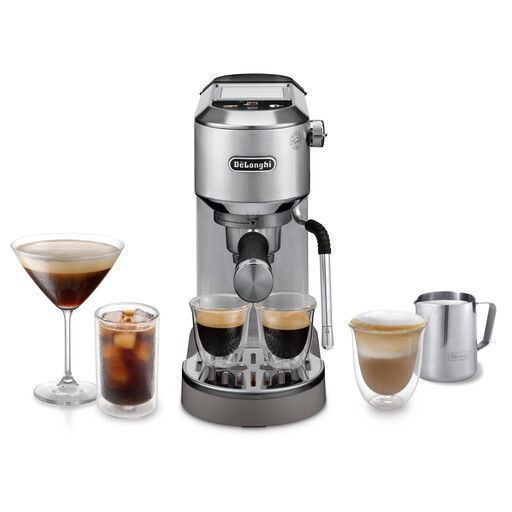
Why it's a great fit: For anyone looking to step into the world of espresso. The compact design fits into any kitchen, and the machine offers the necessary functions for authentic espresso and milk foam.
The solid metal body and 15-bar pump pressure ensure stable and correct extraction, unlike cheaper devices that often use only steam pressure and don't produce true espresso.
The Thermoblock heating system is ready to use in 40 seconds. The MyLatteArt steam wand allows for manual frothing of milk for cappuccino or latte macchiato.
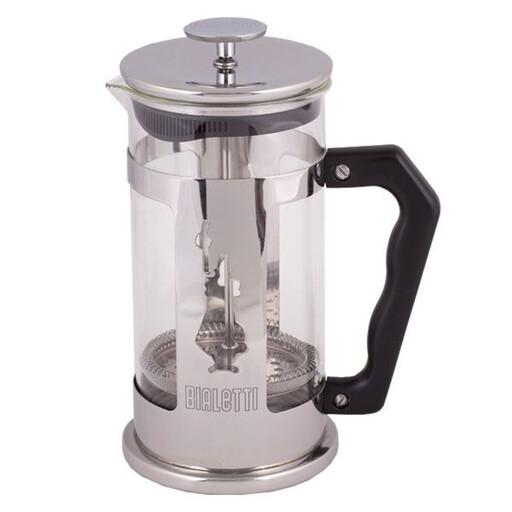
Why it's a great fit: For coffee lovers who savour the brewing process and want full control over steeping time and flavour. The French press produces a strong, full-bodied coffee.
This coffee maker is made of 18/10 stainless steel and borosilicate glass. It avoids taste-altering plastic parts and is extremely durable due to its purely mechanical operation.
The carafe is dishwasher-safe, making it easy to clean. With a capacity of 1 litre, you can easily prepare several cups at once.
Beyond the machine itself, the right accessories can also improve coffee quality and sustainability. Instead of disposable paper filters, reusable permanent filters offer an eco-friendly alternative. Models made of fine-mesh stainless steel allow the natural coffee oils to pass through, which can lead to a fuller flavour profile while eliminating paper waste.
We have compiled a complete, up-to-date list of products that fully meet these strict selection criteria.
1. How often should you descale a coffee machine? The frequency depends on the water hardness in your area and how often you use it. As a rule of thumb, it's recommended to descale a drip coffee machine every two to three months with daily use. Many modern devices, especially fully automatic and portafilter machines, have an automatic descaling indicator.
2. Which grind size is suitable for which coffee machine? The grind size has a major impact on the result. For a drip coffee maker or a pour-over coffee maker, a medium grind is ideal. For the French press, a coarse grind is recommended to prevent coffee grounds from being pushed through the filter. An espresso machine requires a very fine grind to achieve an intense extraction in the short brewing time. A bean-to-cup coffee machine often offers adjustable grind settings for different preparation methods.
3. Does a coffee machine with a warming plate use a lot of electricity? Yes, a warming plate continuously consumes electricity to maintain the temperature, often using between 50 and 100 watts. A coffee maker with a thermal carafe is the more energy-efficient alternative here, as it passively retains heat and typically shuts off after the brewing cycle is complete.