
Lieferung heute & morgen

Qualitätsgarantie

Willkommens-Angebote freischalten: KOSTENLOSE Lieferung | Bis zu 80 % RABATT | Kostenlose 30-Tage-JoyPlus-Testphase
App herunterladen
The search for the right coffee machine can quickly become overwhelming. The market is filled with tempting offers, but not every device delivers on its promises. As a Joybuy Product Recommendation Officer, I see daily which features truly matter and which marketing claims often lead to disappointment. This guide will help you understand the technical specifications and make an informed decision that suits your coffee habits and your budget.
Before we dive into the technical details, let's look at three common traps that often lead to a poor purchase.
To avoid these pitfalls, focus on the following three core aspects. They are the primary determinants of your coffee's quality and your machine's durability.
The preparation method is the most fundamental decision. Each system has specific advantages and disadvantages that cater to different user profiles.
Freshly ground coffee is essential for a full-bodied aroma. A coffee machine with a grinder is therefore often a good investment. In bean-to-cup machines, it is integrated as standard. Look for a conical or flat burr grinder made of ceramic or stainless steel, as these grind the beans gently and evenly. For a portafilter machine, a separate grinder (part of your coffee accessories) is recommended, as it allows for more control over the grind size.
The materials used indicate the quality and durability of a device. Components made of stainless steel are generally more robust and hygienic than plastic parts. A crucial factor for hygiene and taste is a removable brew group that can be easily cleaned under running water. Automatic cleaning and descaling programs significantly reduce maintenance effort and ensure consistently high coffee quality.
Here are some models that represent a considered choice for specific user groups, based on objective features.
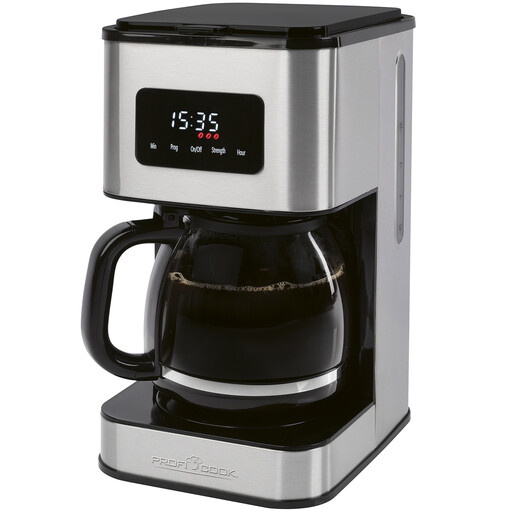
Why this model is a great fit: Ideal for households or offices where a larger amount of classic filter coffee is needed quickly and without fuss. Operation is intuitive and the purchase price is low.
This model is a straightforward filter coffee machine without false promises. It bypasses the capsule cost trap (Pitfall 2) and is very easy to clean thanks to the removable filter insert (Pitfall 3).
The programmable 24-hour timer and the 3-level electronic aroma selection offer convenience features that are not standard in this price range.
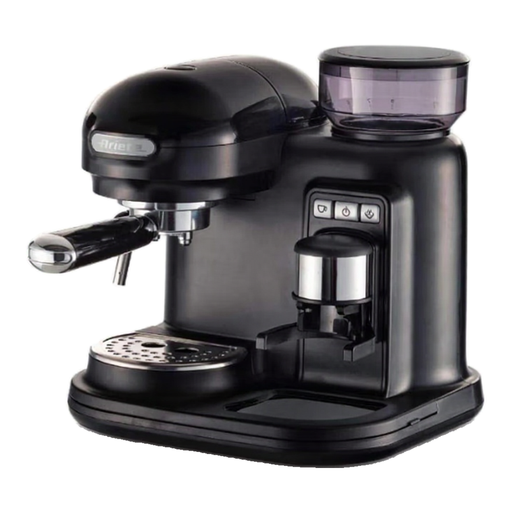
Why this model is a great fit: An all-in-one solution for coffee lovers taking the step up to a portafilter machine. It combines an espresso machine with an integrated grinder and a milk frothing nozzle.
The integrated grinder ensures that the coffee is freshly ground—a crucial factor for good espresso that puts the sole focus on pump pressure (Pitfall 1) into perspective.
The combination of a grinder, 15-bar pump, and milk frother allows for the preparation of authentic espresso and cappuccino without needing to purchase separate accessories.
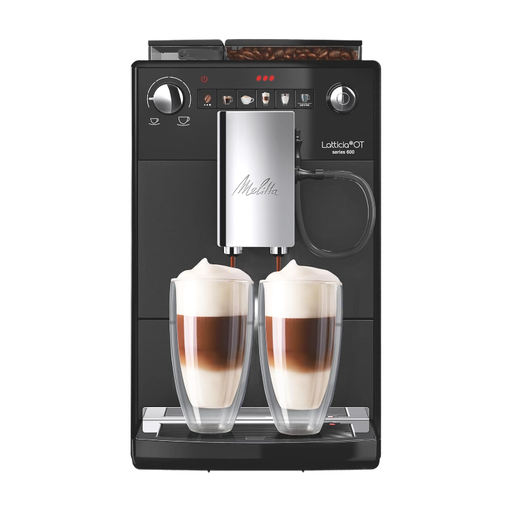
Why this model is a great fit: This bean-to-cup machine is designed for users who want to enjoy a variety of coffee specialities at the touch of a button, without getting into the details of the brewing process.
The integrated, quiet conical grinder ensures a fresh aroma (avoids Pitfall 1). The automatic cleaning system for the milk system, LATTEperfection, prevents hygiene issues and complex manual cleaning (avoids Pitfall 3).
The One-Touch function for espresso, café crème, cappuccino, and latte macchiato, as well as the Double Cup Mode, offer maximum convenience for daily use in families or small offices.
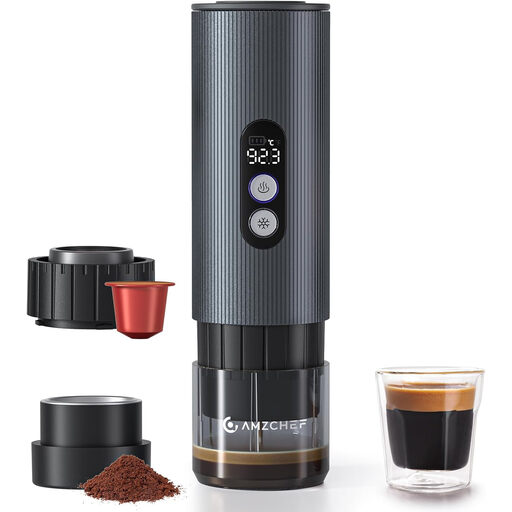
Why this model is a great fit: This portable coffee maker is the solution for high-quality coffee while camping, travelling, or in the car. It does not rely on an external power or hot water source.
As a specialised product for mobile use, it makes no compromises. The high-pressure system is designed for its compact size and produces a genuine crema, applying the pressure myth (Pitfall 1) meaningfully for this segment.
The integrated 9000 mAh battery heats the water independently. The 2-in-1 compatibility for capsules and ground coffee offers maximum flexibility on the go.
We have compiled a complete, up-to-date list of products that meet these strict selection criteria and German safety standards.
The frequency of descaling depends on the water hardness in your area and how often you use the machine. As a rule of thumb: every two to three months. Limescale deposits can damage the heating elements, negatively affect the brewing temperature, and clog the pipes. Regular descaling ensures the coffee's taste and significantly extends your machine's lifespan. Many modern devices have an automatic reminder function.
A pressure of around 9 bars at the brew head is considered ideal for espresso extraction. Many machines advertise a higher pump pressure (e.g., 15 or 20 bars) to signal performance. However, this high pressure often serves only to compensate for potential weaknesses in the grind or tamping pressure. More important than an extremely high maximum pressure is a constant and stable pressure build-up throughout the entire brewing process.
Whether a bean-to-cup machine is worth it depends less on the household size and more on personal drinking habits and convenience needs. If you drink several cups of different coffee specialities (including milk-based drinks) daily and value freshly ground beans and simple operation, a fully automatic machine can be a sensible investment even for one person. For occasional coffee drinkers or pure espresso lovers, a smaller portafilter or capsule machine might be the more economical choice.