
Lieferung heute & morgen

Qualitätsgarantie

Willkommens-Angebote freischalten: KOSTENLOSE Lieferung | Bis zu 80 % RABATT | Kostenlose 30-Tage-JoyPlus-Testphase
App herunterladen
The search for the right coffee machine can quickly become overwhelming. The market is flooded with tempting offers and technical specs that often confuse more than they clarify. Many buyers soon discover their new appliance doesn't live up to its promises or is impractical for daily use. As your Joybuy Product Recommendation Officer, I'm here to help you spot common marketing traps and make an informed decision.
Some of the most common issues that lead to disappointment include:
To avoid these pitfalls, it's crucial to focus on the technical features that truly matter.
Instead of being swayed by marketing promises, you should examine three core parameters that significantly determine the quality and durability of your coffee machine.
The brewing method is the most fundamental decision. Each machine type has a specific heating system suited for different needs.
As mentioned, the advertised maximum pump pressure is often misleading. What's crucial is the pressure that actually reaches the coffee grounds. For an espresso machine, the ideal value is 9 to 12 bars. A 20-bar espresso machine is no guarantee of quality; a well-calibrated pump that delivers consistent pressure is far more important. With drip coffee makers, pump pressure is irrelevant, as they operate on the principle of gravity.
The longevity of your machine and the taste of your coffee depend heavily on the materials used and how easy it is to clean.
Based on these objective criteria, we have selected a few models for different user profiles.
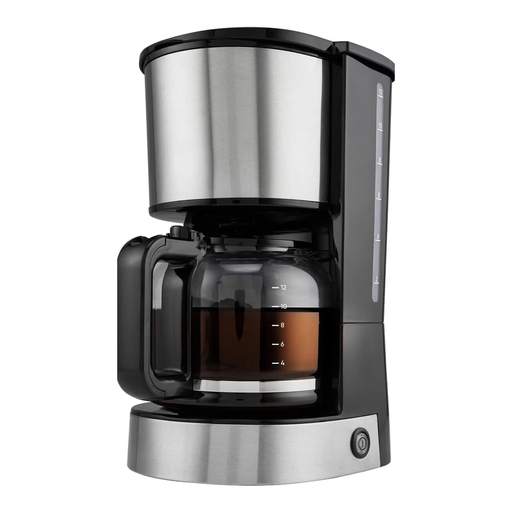
Why This Fits Their Persona: Ideal for families or the small office where large quantities of classic filter coffee are needed without fuss. Operation is self-explanatory and streamlined to the essentials.
This appliance is purely a drip coffee maker and doesn't try to be anything more. It bypasses the trap of overloaded multi-function devices by focusing on one reliable core function. The simple design also avoids hidden cleaning hassles.
Large capacity for 12–14 cups (approx. 1.5 litres). The keep-warm plate with auto shut-off and the drip-stop feature offer practical, everyday convenience.
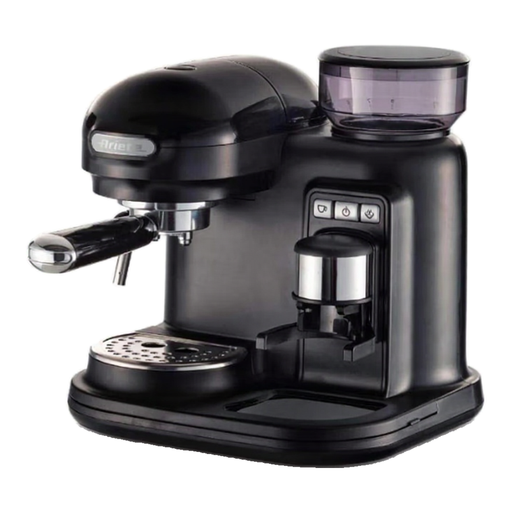
Why This Fits Their Persona: Offers an integrated system for entering the world of portafilter machines. Anyone wanting to prepare their own espresso, cappuccino, and latte will find a coffee machine with a grinder and milk nozzle in one appliance.
The machine avoids the 'all-in-one' trap by being designed as a coordinated system. Its 15-bar pump pressure is within a functional range and isn't just a marketing figure. This allows for an easy start without needing to buy multiple separate devices.
Integrated coffee grinder for fresh aroma and a cappuccino machine function thanks to the built-in milk frother. The automatic shut-off enhances safety and saves energy.
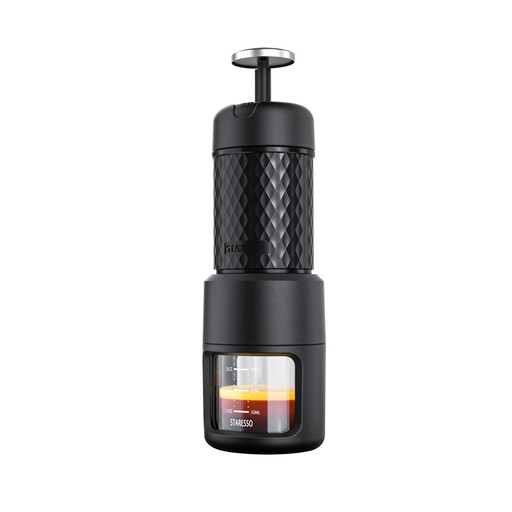
Why This Fits Their Persona: Perfect for travellers, campers, or for the office desk. This portable coffee maker requires no electricity and is extremely compact, allowing you to brew a fresh espresso anywhere.
As a manual, highly specialised tool, it avoids the complexity and maintenance of electronic devices. Its modular design allows for simple, thorough cleaning, thus bypassing the hidden cleaning hassle trap.
Complete independence from power sources. Its dual compatibility for both ground coffee and capsules offers maximum flexibility on the go.
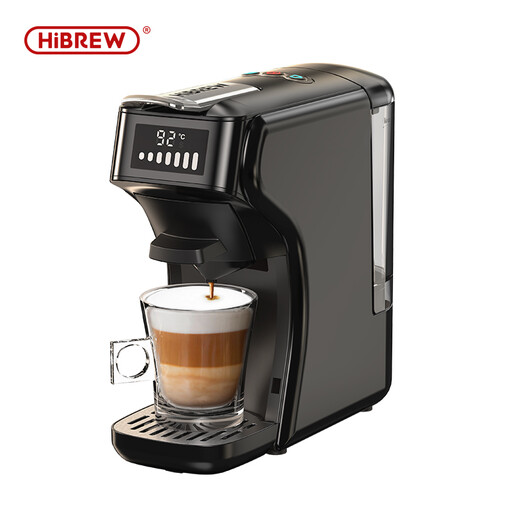
Why This Fits Their Persona: For users who appreciate the convenience of a capsule machine but don't want to be locked into a single system. This model offers the freedom to use various capsule types and even ground coffee.
This device solves the problem of vendor lock-in, one of the biggest drawbacks of conventional capsule machines. It doesn't promise barista-level quality but reliably delivers what it advertises: maximum flexibility and convenience in a compact unit.
Its 6-in-1 compatibility (including for NS Original, DG, K-cup) makes it a space-saving solution for households with different coffee preferences. The 20-bar pressure ensures good extraction for capsules.
We have compiled a complete, up-to-date list of products that fully meet these strict selection criteria and local safety regulations.
1. How often should a coffee machine be descaled? The frequency depends on the water hardness in your area and your usage. As a rule of thumb: with daily use and medium water hardness, about every two to three months. Many modern appliances, especially bean-to-cup machines, have an indicator that reminds you when it's time to descale.
2. What pump pressure is really necessary for an espresso machine? For brewing a balanced espresso, a consistent pressure of about 9 bars at the brew head is ideal. Higher values, like the often-advertised 19 or 20 bars, refer to the pump's maximum output, not the actual brewing pressure. Excessive pressure can make the coffee taste bitter or watery.
3. Is a coffee machine with an integrated grinder worth it? An integrated grinder offers great convenience and guarantees freshly ground coffee. However, the quality of the grinder is crucial. In high-end bean-to-cup or portafilter machines, the grinder is usually well-matched to the machine. With more budget-friendly models, a separate, high-quality grinder can often lead to better results.