
Lieferung heute & morgen

Qualitätsgarantie
App herunterladen
Kategorien
Choosing a coffee machine is a decision that depends on your personal preferences for taste, convenience, and capacity. The market offers a wide variety of systems, each with a fundamentally different operating principle and resulting coffee. The main categories include drip coffee makers, bean-to-cup machines, and espresso machines. This guide analyses the technical parameters relevant for making an informed purchasing decision.
The decision for a specific model should be based on an analysis of objective features. The following criteria provide a structured framework for comparison.
The most fundamental distinction lies in the coffee preparation method.
The required capacity depends on the number of users and the frequency of consumption.
The durability and hygiene of a coffee machine are largely determined by the materials used and the cleaning options.
Modern machines offer a range of features that enhance user convenience and versatility.
Based on the technical criteria mentioned above, we present two models that cater to different user profiles.
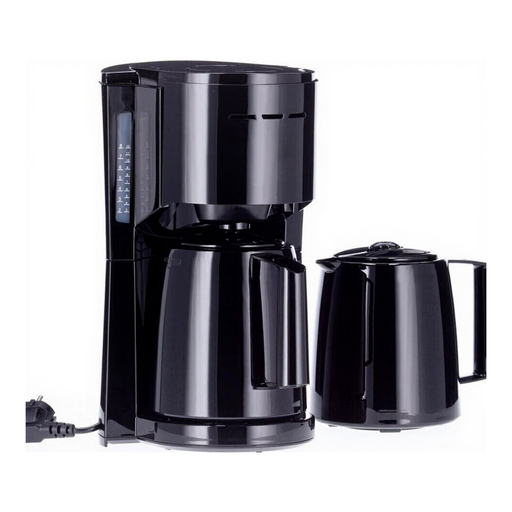
Why we're featuring this product: The Severin KA 9307 specifically addresses the need to prepare and keep large quantities of coffee warm. Equipped with two thermal carafes, it offers great flexibility and capacity, making it a practical choice for office environments or family gatherings. The automatic shut-off after the brewing cycle contributes to energy efficiency and safety.
Pros:
Who it's for: This model is designed for users who regularly prepare large amounts of filter coffee and want to keep it warm over an extended period without any loss of quality. It is particularly suitable for offices, clubs, or households with high coffee consumption.
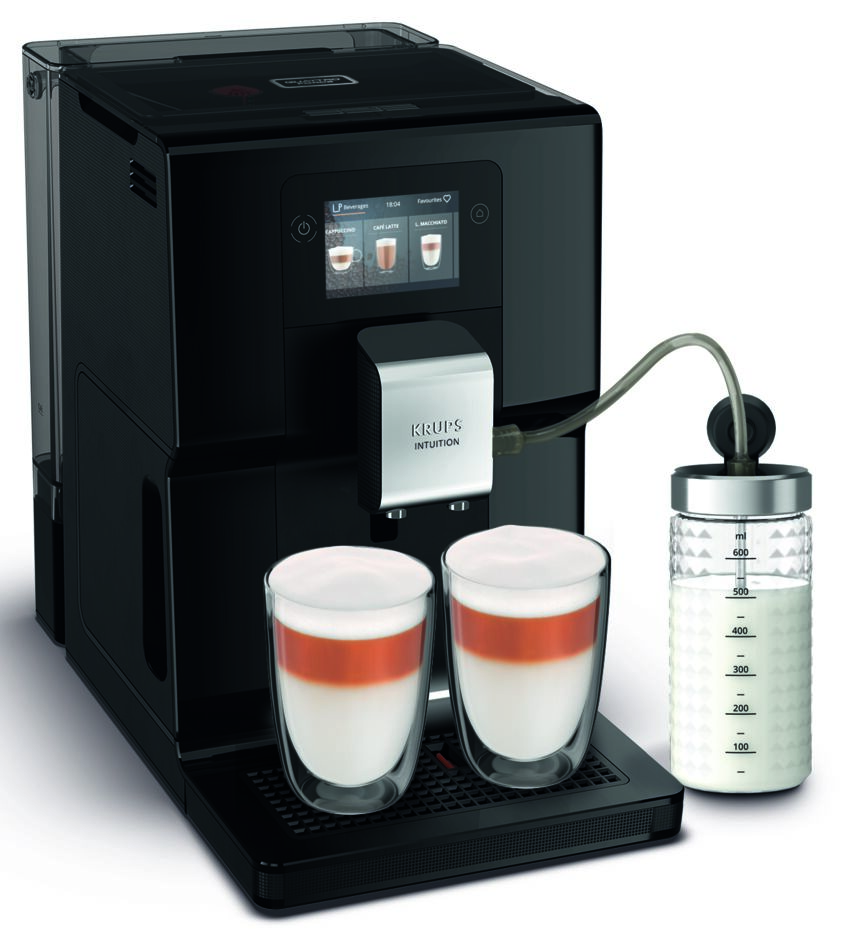
Why we're featuring this product: The Krups Intuition Preference EA8738 stands out for its operating concept. The 3.5-inch colour touchscreen with "Smart Slide Technology" provides intuitive, smartphone-like control. The integrated one-touch cappuccino system and the automatic self-cleaning of the brewing unit address the demand for high convenience and low maintenance.
Pros:
Who it's for: This machine is aimed at users who appreciate a wide variety of coffee specialities, including milk-based drinks, and who value modern, simple operation and minimal cleaning effort.
The models presented cover specific use cases. Should your requirements differ from these, a wider range of appliances with different feature sets is available. You can find an overview of other coffee machines and accessories in our mobile kitchen category.
1. What is the difference between a drip coffee maker and a bean-to-cup machine? A drip coffee maker brews coffee by pouring hot water over ground coffee (percolation method), resulting in classic filter coffee. A bean-to-cup machine grinds whole beans fresh, tamps the ground coffee, and brews an espresso under pressure, which serves as the base for many different coffee specialities.
2. How important is the brewing pressure in an espresso machine? The brewing pressure is a critical parameter for espresso extraction. A pressure of around 9 bar at the brew group is considered the industry standard to optimally extract the oils and aromatic compounds from the coffee grounds and create a stable crema. Too little pressure leads to under-extraction (watery taste), while too much pressure results in over-extraction (bitter taste).
3. What maintenance does a coffee machine with a milk frother require? Systems with a milk frother require regular and thorough cleaning to prevent the build-up of milk residue and bacteria. Many bean-to-cup machines have automatic rinsing and cleaning programmes for the milk system, which should be run after each use. All parts that come into contact with milk (hoses, nozzles, containers) should also be cleaned manually on a regular basis with special cleaning agents.