
Lieferung heute & morgen

Qualitätsgarantie

Willkommens-Angebote freischalten: KOSTENLOSE Lieferung | Bis zu 80 % RABATT | Kostenlose 30-Tage-JoyPlus-Testphase
App herunterladen
A coffee machine should reliably suit your personal coffee consumption, available space and preferred level of convenience. However, product pages often encourage unsuitable purchases: a high bar rating, numerous programmes or a striking exterior alone reveal little about whether a machine will remain practical in a British household over the long term.
This buying guide explains which features really matter and what to look for when choosing a coffee machine for home or the office.
A 20-bar espresso machine may sound convincing at first. However, you should not base your choice solely on the maximum pressure stated. Temperature control, the brewing unit, grind size, consistent tamping and the quality of the coffee used are also crucial. Depending on its design, a 15- or 19-bar machine may also be suitable for espresso.
The bar rating refers to pump pressure and is not, on its own, proof of quality, flavour or crema. You should also check whether the machine has a portafilter, pressure gauge, precise temperature control or a pre-infusion function.
A bean-to-cup coffee machine with a milk system can prepare espresso, coffee, cappuccino and latte macchiato at the touch of a button. This reduces manual effort but also involves additional cleaning. Milk containers, tubes and dispensing spouts must be cleaned regularly in accordance with the manufacturer’s instructions.
With a portafilter machine or manual milk frother, you take on more of the work yourself. In return, you have greater control over the grind size, coffee quantity and milk froth. The right solution therefore depends on the balance you want between convenience and control.
A compact coffee machine can be a sensible choice for small kitchens, flats or workplaces. Before buying, however, check whether the water tank can be removed, whether the drip tray remains accessible and whether the machine will fit beneath wall units.
Do not measure only the footprint. You should also check the space above and in front of the machine. A bean hopper that is filled from the top can be inconvenient beneath a kitchen shelf.
The brewing method should match the drink you have every day:
A coffee machine with grinder is worth considering if you use beans and want to adjust the grind size. A conical burr grinder with several settings allows finer adjustment than a machine with a fixed grind.
Capacity should suit your household. A 0.6- to 0.9-litre water tank is often sufficient for individuals who drink only a few cups a day. For families or offices, 1.1 to 1.8 litres is more practical. A larger tank means less frequent refilling, but it often increases the machine’s dimensions.
For bean-to-cup machines, the bean hopper and grounds container are also important. According to the product specifications, the De'Longhi Magnifica Evo ECAM290.61.SB has a 1.8-litre water tank and a 250-gram bean hopper. With milk systems, the container should be removable and easy to clean without difficult-to-reach gaps.
Look for:
Electrical appliances should only be operated from a suitable earthed socket. Hot spouts, steam and freshly brewed coffee can cause scalding. For machines with a milk frother, it is important to clean the steam wand immediately after use.
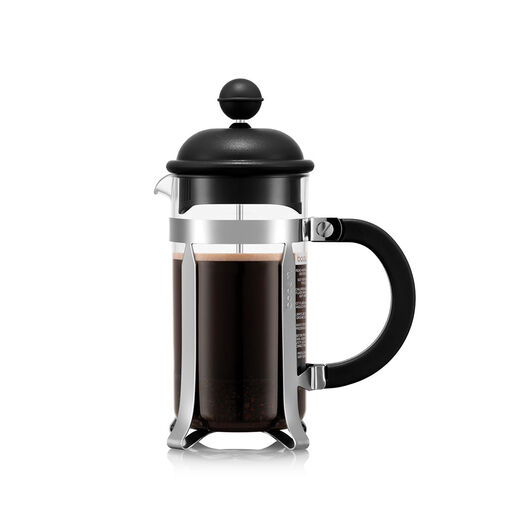
Why this product suits this profile: The French press requires no electricity and offers a straightforward way to prepare small quantities of coffee. According to the product name, its 350 ml capacity corresponds to three cups.
There are no exaggerated claims about pump pressure or programmes. Manual preparation means no power connection, capsule system or complex maintenance is required.
Electricity-free brewing and less technical maintenance than with electric machines.

Why this product suits this profile: This bean-to-cup coffee machine combines an integrated conical burr grinder, seven one-touch recipes, a two-cup function and a LatteCrema milk system.
The selection considers more than just the number of drinks. It also takes into account 13 grind settings, removable containers and automatic cleaning of the milk system.
1.8-litre water tank, 250-gram bean hopper and seven saved drink options according to the product specifications.

Why this product suits this profile: According to the product specifications, this machine combines espresso, cold brew and filter coffee functions with an integrated grinder and milk frother.
The wide range of functions is backed up by specific details: 25 grind settings, a 1.5-litre capacity and four milk-frothing settings.
Integrated scales, Barista Assist technology and options for dairy and plant-based drinks according to the manufacturer’s specifications.
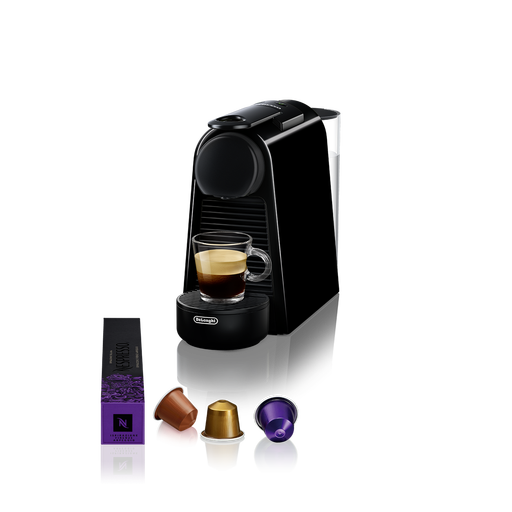
Why this product suits this profile: According to the specifications, this capsule machine is 11 cm wide, has a 0.6-litre water tank and prepares espresso or lungo using two buttons.
The compact design is supported by precise dimensions and a stated heating time of 25 seconds.
Small footprint, automatic switch-off and a container for up to six used capsules according to the product description.
We have put together a complete, regularly updated list of products that fully meet these strict selection criteria and the safety regulations applicable in the EU.
With a capsule machine, capsules create ongoing costs in addition to the purchase price. A coffee pod machine generally uses cheaper individual portions, but it is also tied to compatible pods. Bean-to-cup machines involve costs for beans, descaler, water filters and, where applicable, milk-system cleaner.
A French press or moka pot involves fewer technical follow-up costs, but requires the right grind size and regular hand cleaning. For every electric coffee machine, you should adjust descaling intervals to the water hardness and how often the machine is used. In the UK, you can check water hardness with your local water supplier or determine it using a test strip.
A coffee machine with milk frother, a bean-to-cup machine or an espresso machine with a steam wand may be suitable. Bean-to-cup machines offer a higher level of automation. A steam wand requires more practice, but allows you to adjust the consistency of the milk froth manually.
Its lifespan depends on usage, water quality, maintenance and the availability of spare parts. Regular descaling, emptying the drip tray and cleaning the brewing unit or milk system can help maintain reliable operation. Without a specific model, it would not be realistic to give a general lifespan.
For a wide range of drinks and regular use, a bean-to-cup machine offers larger containers and bean operation. A coffee pod machine is usually easier to use and clean, but is mainly suitable for standardised individual servings. The key considerations are the number of cups, the drinks you want, the available space and ongoing costs.