
Lieferung heute & morgen

Qualitätsgarantie

Willkommens-Angebote freischalten: KOSTENLOSE Lieferung | Bis zu 80 % RABATT | Kostenlose 30-Tage-JoyPlus-Testphase
App herunterladen
A coffee machine should work reliably in the morning, fit the available space and be easy to clean. However, some purchasing decisions can lead to unnecessary costs or disappointment later on. Capacity, keep-warm functions and brewing speed are particularly often misunderstood.
A specification such as 1 litre initially sounds clear. However, with coffee machines, a “cup” often means only around 125 millilitres. A 1-litre coffee machine can therefore produce approximately six to eight servings, depending on cup size—not necessarily eight large mugs.
So check the following:
With a filter coffee machine with a glass carafe, the coffee usually stays warm on a heated plate. This can be practical, but it also means that the machine continues to use electricity and both the carafe and the plate become hot.
A coffee machine with a thermal carafe, on the other hand, stores the heat in the carafe. This is useful for households and offices where the coffee will not be consumed immediately. Look for a tightly sealing lid, easy cleaning and a carafe that stands securely on the surface.
Terms such as “aroma”, “crema” or high pressure ratings do not automatically indicate whether a machine suits your habits. The crucial factors are the actual brewing method, the available controls and the cleaning effort required.
A capsule machine works quickly, but ties you to a particular capsule system. A French press, or cafetière, requires no electricity, but does require freshly ground coffee, a short steeping time and pouring afterwards. An espresso machine with a steam wand offers more control, but requires additional cleaning and some practice.
For classic filter coffee, a filter coffee machine with a paper filter or reusable filter is suitable. Check whether the filter basket is removable and dishwasher-safe. With a French press, you should use coarsely ground coffee. Coffee that is ground too finely can block the mesh and make pressing down more difficult.
Capsule and pod machines are designed for their respective input systems. Before buying a coffee machine, compare the ongoing costs, the availability of pods or capsules and the amount of packaging produced.
A 1 to 1.25-litre tank is practical for small families, house shares or an office with several coffee drinkers. For one person, a compact machine with a 0.7-litre capacity may be sufficient.
A short brewing time is particularly useful for individual servings. According to the product specifications, the Philips Senseo Original HD6553/67 is designed for one or two cups and brews them in less than a minute. With larger quantities of filter coffee, the total time depends more heavily on the amount of water, heating power and quantity of coffee.
Also look out for:
Removable filter baskets, water tanks and drip trays make cleaning easier. Dishwasher-safe components reduce the amount of manual work, provided the manufacturer explicitly states that they are suitable for dishwashers. The appliance housing and electrical components must not be immersed in water.
With glass carafes, you should avoid sudden changes in temperature. For French press models, borosilicate glass, a sturdy frame and a fine-mesh stainless steel filter are relevant specifications. A thermal carafe is generally washed by hand if the lid or seal is not dishwasher-safe.
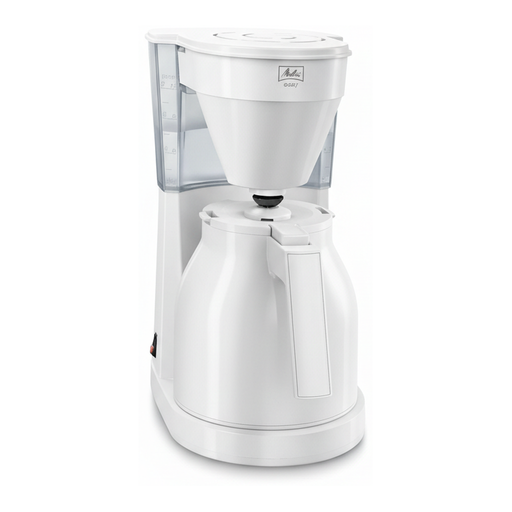
Why this product suits the profile: This filter coffee machine combines a 1-litre capacity with a compact design and a thermal carafe. It is suitable for households that want to prepare ground coffee without using a capsule system.
The thermal carafe reduces reliance on a warming plate that must remain switched on. According to the product specifications, the removable swivel filter is dishwasher-safe.
1-litre capacity, 1050 watts, white plastic design and a thermal carafe for everyday filter coffee.
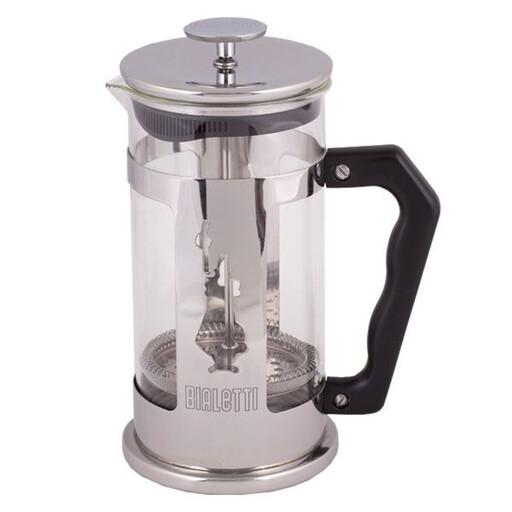
Why this product suits the profile: This coffee press is aimed at users who want to control the brewing process manually and value a combination of a stainless steel body and borosilicate glass.
The specifications state a maximum temperature of 120 °C. This allows you to use and clean the carafe in line with its intended purpose.
1-litre volume, reusable filter and components that are dishwasher-safe according to the product description.
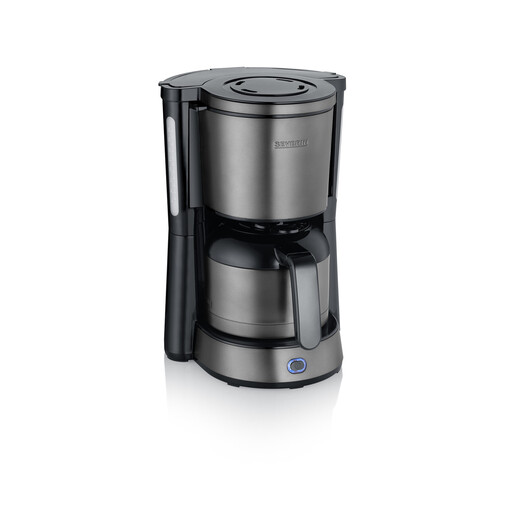
Why this product suits the profile: With a 1.25-litre tank and a thermal carafe, this model is designed for preparing several servings at home or in the office.
The thermal carafe replaces a permanently heated plate. Drip stop and automatic switch-off are useful for repeated everyday use.
1000 watts, up to eight stated cups, drip stop and integrated cable storage according to the product data.
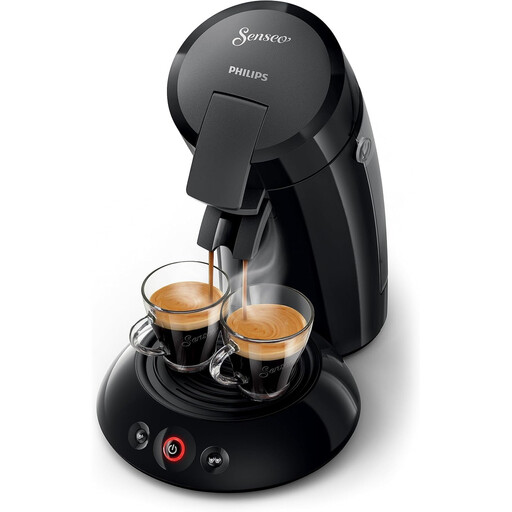
Why this product suits the profile: According to the product specifications, this pod machine prepares one or two cups in less than a minute. With its 0.7-litre capacity, it also requires comparatively little worktop and tank space.
Its clear design for use with pods prevents unsuitable ground coffee from being added accidentally. The pod holder and drip tray can be rinsed clean.
0.7-litre water tank, 1450 watts, one- or two-cup preparation and automatic switch-off after 30 minutes according to the product description.
We have put together a complete, regularly updated list of products that fully meet these strict selection criteria and the safety regulations applicable in the EU.
For one or two people, a compact pod machine with a 0.7-litre tank may be sufficient. If you want to prepare several cups at once, a 1-litre filter coffee machine is more suitable. A 350-millilitre French press is suitable for smaller quantities, while 1-litre models are intended for several cups.
The filter basket, carafe and drip tray should be rinsed after use. How often you need to descale the machine depends on the hardness of the water and how frequently it is used. The instructions in the user manual are the key reference. With a capsule or pod machine, you should also clean the designated holders and water tank regularly.
That depends on how you use it. A thermal carafe does not require a heated warming plate after brewing. If you want to keep coffee warm for an extended period, this can avoid further heating. If the entire carafe is emptied immediately after brewing, the difference in everyday use is smaller.