
Lieferung heute & morgen

Qualitätsgarantie

Willkommens-Angebote freischalten: KOSTENLOSE Lieferung | Bis zu 80 % RABATT | Kostenlose 30-Tage-JoyPlus-Testphase
App herunterladen
A coffee machine should suit your daily routine, available space and preferred drinks. Compact appliances are particularly practical for single-person households, couples, students and small offices. At the same time, espresso machines, capsule machines, coffee pod machines, filter coffee machines and bean-to-cup coffee machines differ considerably in terms of operation, ongoing costs and maintenance.
Our selection helps you avoid common buying mistakes. High pressure ratings, numerous drink names or eye-catching designs alone say little about whether an appliance will continue to meet your needs over time.
Figures such as 15 Bar, 19 Bar or 20 Bar usually refer to the pump’s maximum pressure. However, what matters is the parameters used to push the water through the coffee grounds or capsule. A higher maximum figure therefore does not automatically mean a better cup of coffee.
The preparation method, temperature control, capsules or beans used, and the ability to adjust the quantity and strength are more important.
A capsule machine is quick to set up and straightforward to use. However, you will have regular expenses for compatible capsules. Before buying a Nespresso machine or Dolce-Gusto machine, check which capsules can be used and whether alternatives are available.
A coffee pod machine such as a Senseo coffee machine uses coffee pods, while a filter coffee machine uses ground coffee. If you regularly drink several cups, compare the cost per drink and water consumption.
A coffee machine needs more than just enough space for its housing. You also need to consider access to the water tank, clearance above the appliance and the space required to remove the drip tray. A coffee machine with milk frother also involves additional cleaning steps.
Before buying, check the manufacturer’s instructions on descaling intervals, removable parts and replacement filters. Hot surfaces, steam and boiling water require a safe location out of children’s reach.
For a small household, 0.6 to 1.1 litres is often sufficient. A removable tank makes filling and cleaning easier. Also check the width and depth: according to the specifications, the Nespresso Essenza Mini is 11 cm wide, while the Nespresso Inissia is 12 cm wide.
A compact coffee machine should not simply fit on the worktop. The tank must be fully removable, and the cup height should be suitable for the drip tray. Foldable or adjustable platforms are useful for larger mugs.
If you regularly want to prepare cappuccino or latte, you will need a steam wand, a milk frother or a capsule system with milk components. A steam wand gives you greater control, but requires practice and cleaning immediately after use.
With a grinder, the bean container, grind-size settings and grinder maintenance are all relevant. According to the product description, the Ariete Moderna 1318 has an integrated grinder, a 250-g bean container, filters for one or two cups and a steam function.
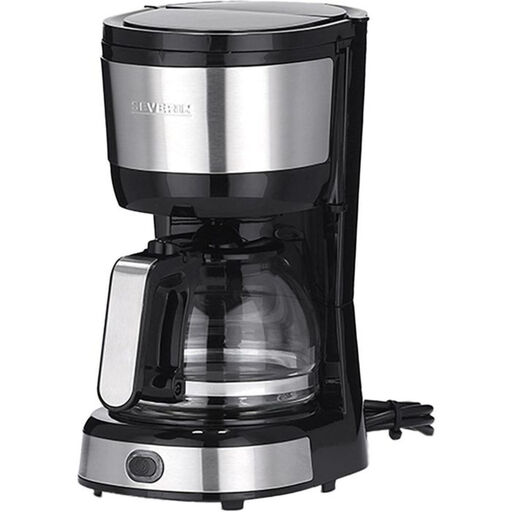
Why this product suits this profile: This filter coffee machine is designed for up to four cups, making it suitable for single-person households, couples or a small office where traditional coffee is preferred.
The capacity and dimensions are clearly stated. The permanent swivel filter reduces the need for paper filters, while the drip stop and automatic switch-off make everyday use easier.
500-ml capacity, keep-warm function, cable storage and a weight of 1.1 kg according to the product details.
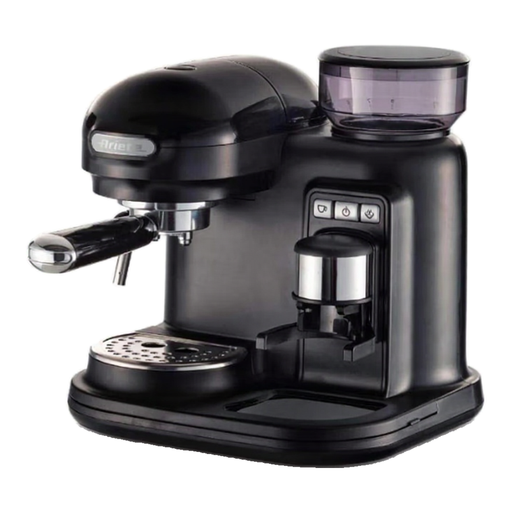
Why this product suits this profile: It is aimed at users who want to grind beans fresh, prepare espresso or cappuccino, and control the drink quantity using filters for one or two cups.
The features go beyond a simple pressure rating: the grinder, filter selection and integrated milk frother are clearly specified. However, you should still allow time for maintenance.
15-Bar pump, 250-g bean container, automatic switch-off and a two-year warranty according to the product description.
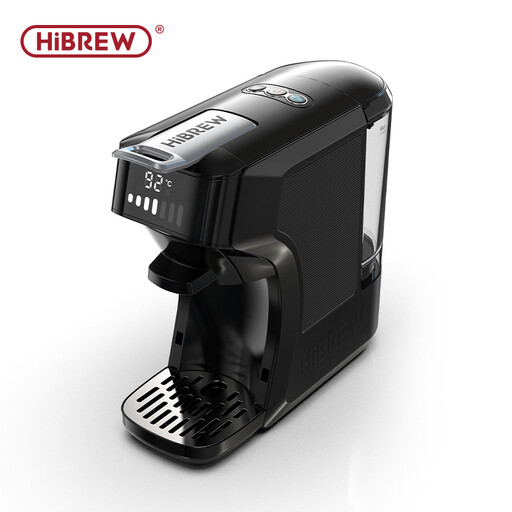
Why this product suits this profile: This model combines several capsule types with ground coffee, making it suitable for households where different drinks are preferred.
Compatibility is explicitly listed. Before buying, however, you should check which adapters are suitable and whether your preferred capsules are available.
20-Bar pump rating, 600-ml tank, and hot and cold preparation according to the specifications.
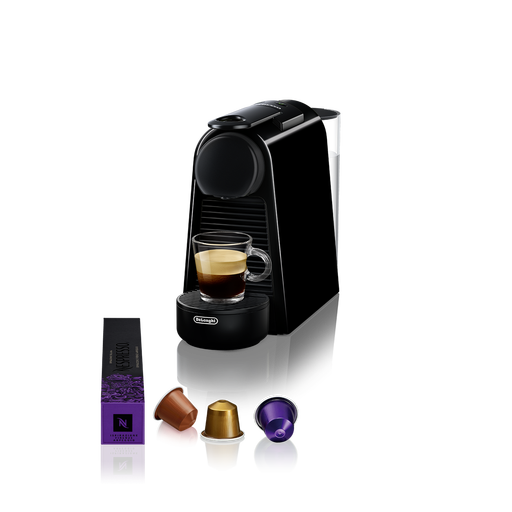
Why this product suits this profile: This slim capsule machine is designed for small kitchens, home offices or student rooms, and prepares espresso and lungo at the touch of a button.
The footprint is specified as 11 × 20,5 × 32,5 cm. The limited choice of drinks and reliance on Nespresso Original capsules are clearly apparent before purchase.
0.6-litre water tank, heating time of around 25 seconds, two programmable buttons and automatic switch-off according to the manufacturer’s specifications.
We have put together a complete, regularly updated list of products that fully meet these strict selection criteria and the safety regulations applicable in the EU.
Ongoing costs consist of coffee, capsules or pods, water, descaler and, where applicable, paper filters. With a filter coffee machine, the cost per cup is often easier to calculate. Capsules, on the other hand, provide pre-portioned quantities and require less preparation.
For a longer service life, you should:
Also look for a CE marking, clear safety information and an accessible manufacturer or retailer address. These details do not replace an individual review of the product documentation, but they can help when creating a shortlist.
For one or two cups, a compact capsule machine, coffee pod machine or small filter coffee machine can be a good choice. The key factors are tank size, width, cup height and your preferred type of coffee. If you drink several cups in succession, a filter coffee machine may be easier to plan around.
The bar rating usually describes the pump’s maximum pressure and is not, by itself, a measure of quality. Models with 15, 19 or 20 Bar can use different brewing systems. Correct dosing, temperature control, grind size and the preparation method are more important.
This depends on the hardness of the water, how often the machine is used and the manufacturer’s instructions. As a general guide, some product descriptions recommend descaling approximately every three months, while longer intervals are specified for other appliances. The operating manual should always take priority. Regular descaling supports consistent operation and prevents deposits from building up in the water system.