
Lieferung heute & morgen

Qualitätsgarantie

Willkommens-Angebote freischalten: KOSTENLOSE Lieferung | Bis zu 80 % RABATT | Kostenlose 30-Tage-JoyPlus-Testphase
App herunterladen
The range of coffee machines stretches from the simple filter coffee machine to the versatile bean-to-cup machine with a grinder and milk system. It's precisely this wide variety of functions that makes the decision so difficult: a machine with lots of programmes isn't automatically the right fit for your daily routine.
Mistakes often happen because of three typical pitfalls:
Before you buy, you should decide on your preferred brewing method. The main categories differ in convenience, how much control you have, and the upkeep required:
If you want to make espresso, cappuccino and latte macchiato in one appliance, look specifically for a coffee machine with a milk frother or a bean-to-cup machine with an integrated milk system.
A water tank of 0.6 to 0.7 litres is often suitable for single people or small kitchens. For families and offices, tanks between 1.2 and 1.8 litres are more practical, as they need refilling less often. Also check the footprint, the height available under wall units, and the space for the carafe, milk container or bean hopper.
With a capsule or pod machine, the system is key. A Nespresso Original machine won't automatically accept other capsule shapes. A more flexible machine, depending on the model, can work with ground coffee, ESE pods or several capsule types.
For a coffee machine with a grinder, the grinder type, number of grind settings and bean hopper size are important details. Multiple grind settings allow you to adjust for different beans, but they also mean more time spent on adjustments and cleaning.
Look for removable brew units, water tanks and milk components. Automatic rinse or cleaning programmes can make daily life easier, but they don't replace the care recommended by the manufacturer. Descaling intervals depend on water hardness and how often you use the machine.
Hot dispensing spouts, steam and glass or thermal carafes all pose a burn risk. The machine should stand on a stable, dry surface and be kept out of reach of children. For appliances in the UK, you also need to check for 220–240 volts and a suitable, earthed power connection.
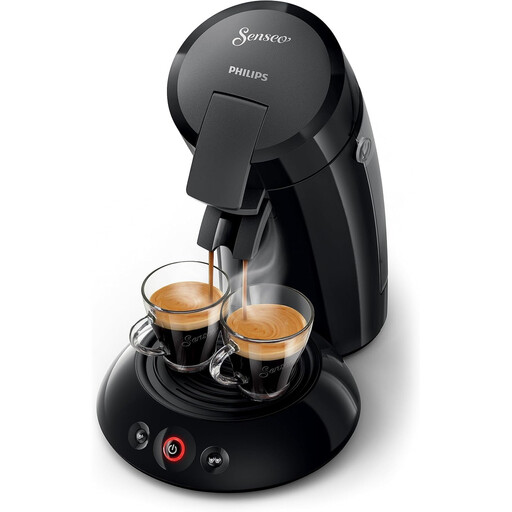
Why this product fits the profile: This pod machine is designed for one or two cups and, according to the product details, is ready to use in under a minute. That makes it ideal for small households and quick coffee breaks.
The details on the water tank, cup capacity and automatic shut-off make the daily effort clear. Just bear in mind that you'll need to use compatible Senseo pods.
0.7-litre water tank, one or two cup brewing and automatic shut-off after 30 minutes according to the product details.
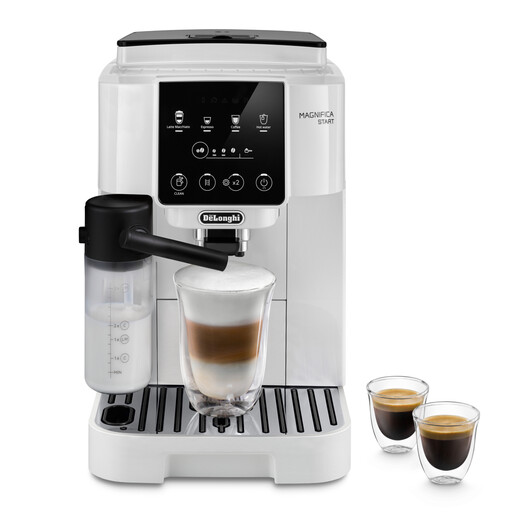
Why this product fits the profile: This bean-to-cup machine processes beans just before brewing and offers four selectable drinks. The integrated LatteCrema milk system is designed for those who enjoy espresso, cappuccino and latte.
13 grind settings, a removable brew unit and, according to the product details, dishwasher-safe components help keep operation and maintenance straightforward.
1.8-litre water tank, 250 g bean hopper, two cups at once and automatic cleaning of the milk system according to the product description.

Why this product fits the profile: According to the product details, this machine combines espresso, cold brew and filter coffee. An integrated conical burr grinder and a milk frother cover several brewing preferences in one appliance.
The 25 grind settings and four milk frothing options are clearly specified. This makes it easier to match the features to your actual usage.
1.5-litre capacity, 1,650 watts, integrated scales and settings for steamed milk, light, thick and cold foam according to the product details.
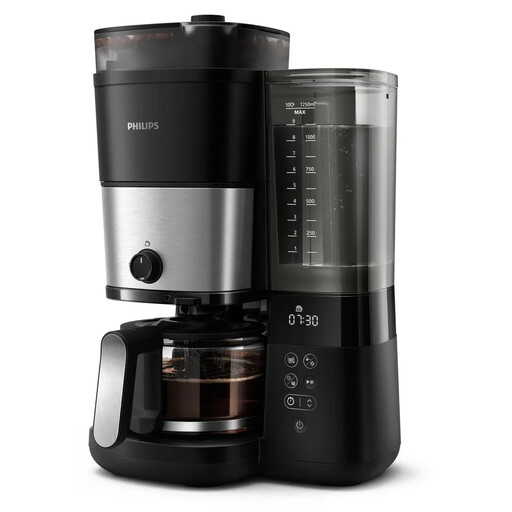
Why this product fits the profile: This filter coffee machine with a grinder makes up to ten cups and, according to the product details, can brew into a carafe, a cup or a travel mug.
The machine can also be used with pre-ground coffee. This reduces your reliance on the integrated grinder and gives you a fallback option for different beans.
1.25-litre water tank, three strength settings, a 24-hour timer and a keep-warm function for up to five hours according to the product description.
We've put together a full, regularly updated list of products that fully meet these strict selection criteria and the safety regulations in force in the EU.
For both drinks, an espresso machine with a milk frother or a bean-to-cup machine is a good choice. A bean-to-cup machine handles grinding, brewing and, depending on the model, frothing automatically. A portafilter machine gives you more manual control, but requires practice and extra cleaning.
The lifespan depends on usage, water hardness, build quality and maintenance. Regular descaling, emptying the drip tray and cleaning the brew unit and milk system can help keep it working well. For specific information on lifespan, you should check directly with the manufacturer.
On top of the purchase price, you need to factor in electricity, water filters, descaler and the cost of coffee, pods or capsules. For heavy use, beans or ground coffee can work out cheaper per cup than capsules. For a realistic calculation, compare your daily consumption with the prices of the system you're considering.