
Lieferung heute & morgen

Qualitätsgarantie

Willkommens-Angebote freischalten: KOSTENLOSE Lieferung | Bis zu 80 % RABATT | Kostenlose 30-Tage-JoyPlus-Testphase
App herunterladen
The search for the right coffee machine can quickly become overwhelming. The market is filled with a multitude of models, all advertising impressive features and elegant designs. But not every shiny exterior delivers on its promise. Often, exaggerated marketing claims or hidden flaws lead to a purchasing decision you later regret.
As your Joybuy Product Recommendation Officer, I'm here to help you navigate this jungle of information. Instead of relying on marketing slogans, we'll focus on the facts. Here are the most common traps and what you should look for instead to make an informed decision.
Many purchasing decisions are based on assumptions shaped by clever marketing. These three points are particularly frequent sources of disappointment:
To find the right coffee machine for your needs, you should focus on three fundamental technical features.
Your personal habits and preferences determine which type of machine is the best fit for you.
The heating system determines how quickly the machine is ready for use and how consistently the brewing temperature is maintained.
If you opt for a coffee machine with a grinder, the type of grinder is crucial. A conical or flat burr grinder made of steel or ceramic grinds the beans evenly and gently. Simple blade grinders, on the other hand, just shatter the beans, leading to uneven extraction.
When it comes to milk frothing, there are two main options: the manual steam wand, which gives you full control over the milk foam's texture, and automatic systems, which deliver consistent results at the touch of a button.
Here are three recommendations tailored to different user profiles that specifically avoid the pitfalls mentioned.
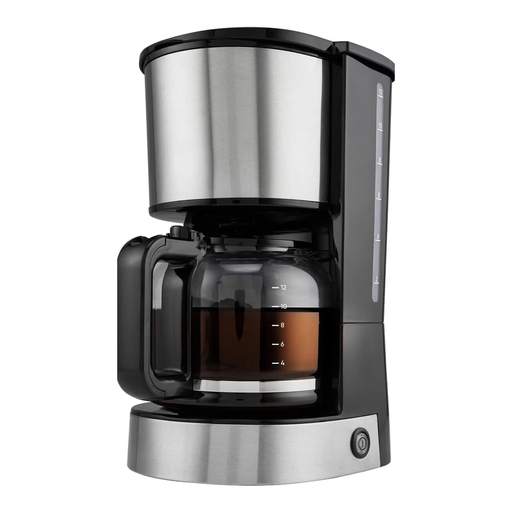
Why This Fits Their Persona: Ideal for households or small offices that want to reliably brew large quantities of classic filter coffee without any fuss. The operation is intuitive and reduced to the essentials.
This filter coffee machine focuses on one core function. There are no complex, high-maintenance milk systems or misleading pressure specs to distract from its main purpose.
Large 1.5-litre capacity for 12-14 cups and a practical warming plate with automatic shut-off.
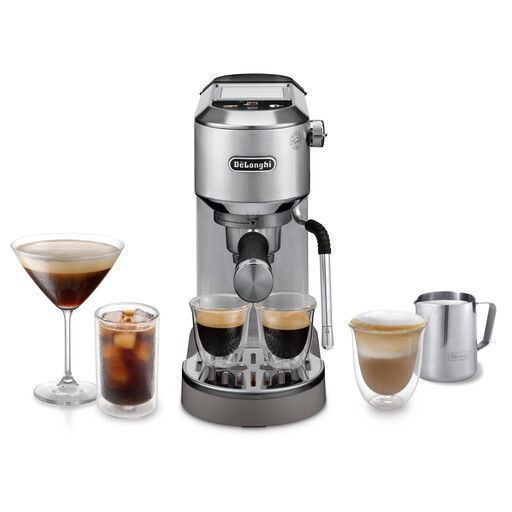
Why This Fits Their Persona: This De'Longhi coffee machine offers the manual control of a portafilter machine in a compact format. Perfect for those who want to take charge of the brewing process and experiment with latte art.
The manual "My LatteArt" steam wand is easy to clean and avoids the hygiene problems of complex automatic systems. The solid metal housing is more than just a "stainless steel look."
Compact design (only 15 cm wide) and a Thermoblock heating system for rapid heating in 40 seconds. Includes a professional tamper and milk jug.
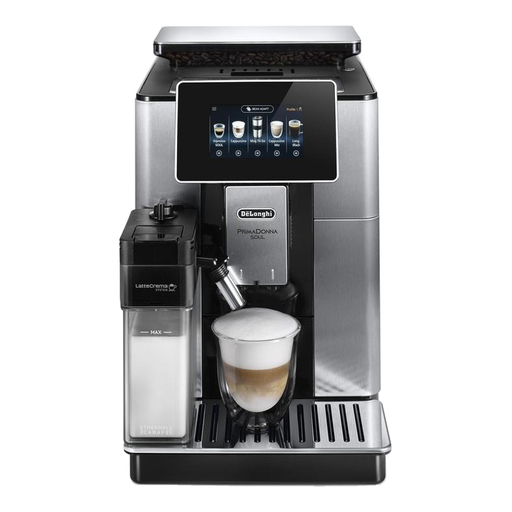
Why This Fits Their Persona: This fully automatic coffee machine offers an enormous variety of high-quality coffee specialities at the touch of a button. Ideal for busy connoisseurs who value convenience and personalised drinks.
The LatteCrema system has an automatic cleaning function that minimises maintenance. The Bean Adapt Technology adjusts settings to the specific bean, bypassing the compromises of simpler all-in-one devices.
Bean Adapt Technology for automatic grind and brew adjustments; control via app and a large 4.3-inch touch display for 21 pre-installed recipes.
We have compiled a complete, up-to-date list of products that fully meet these strict selection criteria and German safety regulations.
The frequency of descaling depends on the water hardness in your area and how often you use it. Most modern coffee machines, especially fully automatic and espresso machines, have a built-in indicator that reminds you when descaling is necessary. As a general rule, with average use and medium water hardness, you should descale about every two to three months to maintain the device's performance and lifespan.
Although many manufacturers advertise 15, 19, or even 20 bars, the recognised standard for extracting a balanced espresso is a pressure of about 9 bars directly on the coffee grounds (the so-called "puck"). The higher pressure measured at the pump serves as a performance reserve to ensure that this target pressure is consistently achieved even with a finer grind or firmer tamping. Higher pressure alone is not a guarantee of better coffee.
A coffee machine with a grinder offers the significant advantage of grinding the beans fresh for every cup, which results in a much better aroma. For a fully automatic coffee machine, this feature is essential for convenience. For a portafilter machine, an integrated grinder can be a space-saving and practical solution, as seen in the De'Longhi La Specialista Arte. However, advanced users often prefer a separate grinder, as it offers more adjustment options and potentially higher grind quality.