
Lieferung heute & morgen

Qualitätsgarantie

Willkommens-Angebote freischalten: KOSTENLOSE Lieferung | Bis zu 80 % RABATT | Kostenlose 30-Tage-JoyPlus-Testphase
App herunterladen
A coffee machine should fit your everyday routine: a quick cup in the morning, an espresso after a meal or frothed milk for a cappuccino or latte. The choice ranges from compact capsule machines to bean-to-cup coffee machines with milk systems and integrated grinders. However, focusing only on pump pressure, wattage or an extensive list of features often means overlooking crucial details.
Many espresso coffee machines advertise 15 or 20 bar. However, this figure alone says little about the quality of the result. Temperature control, dosing, grind size and even water distribution are all important factors. A portafilter machine with numerous adjustment options therefore requires more practice than a bean-to-cup machine with pre-set programmes.
A coffee machine with a milk frother can prepare cappuccinos and lattes, but it also requires additional care. Milk lines, nozzles and containers should be cleaned after use in accordance with the operating instructions. Automatic cleaning programmes make the process easier, but do not always replace rinsing removable parts.
A slim machine is easier to fit into a small kitchen. However, the water tank, bean hopper or capsule collection container may be smaller. Before buying, check how much space is needed above the machine for refilling and whether the water tank is removed from the side or the back.
The right type of machine depends on your preferred drinks and how much manual effort you are prepared to put in:
For a coffee machine with an integrated grinder, grinder type, grind-size settings and dosing control are important parameters. A wider adjustment range allows you to fine-tune the machine more precisely to the beans and brewing method, but usually also increases the amount of work involved.
Container sizes are particularly important for households with several people. As a guide, the selected models offer water tanks ranging from 0.6 to 2.8 litres and bean hoppers holding approximately 135 to 250 grams. The actual capacity depends on the drink, cup size and amount of water used for rinsing.
Look for a removable water tank, an accessible brewing unit, a removable drip tray and clear descaling programmes. With milk systems, daily cleaning of the milk-carrying parts is particularly important.
Espresso machines work with hot water, steam and pressure. Place the machine on a stable, dry surface and keep the outlet, steam wand and hot surfaces away from children. Electrical safety requires a suitable, earthed socket. Check details such as voltage, cleaning instructions and permitted water quality against the relevant operating instructions.
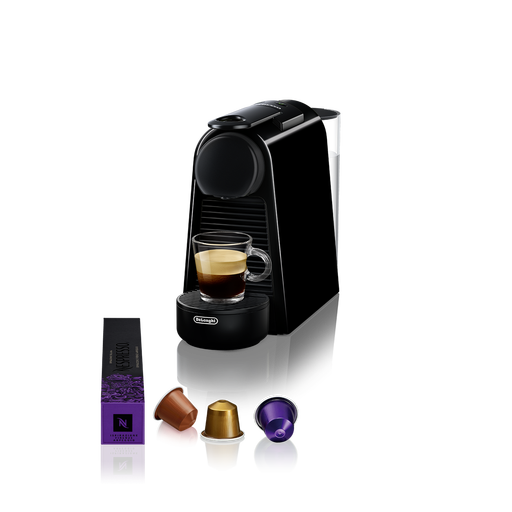
Why this product suits this profile: Measuring 11 × 20.5 × 32.5 cm, this capsule machine is compact and offers two programmable cup sizes for espresso and lungo.
Its clearly focused functionality means beginners do not pay for specialist programmes they will not use. Check capsule prices and system compatibility before buying.
0.6-litre water tank, 19-bar pump, automatic switch-off and Eco mode.

Why this product suits this profile: The combination of a touchscreen, integrated conical grinder and automatic microfoam function is ideal for users who want to save settings and customise their drinks.
The user interface guides you through grinding and extraction, while strength, milk temperature and milk foam can be adjusted.
2-litre water tank, 250-g bean hopper, five programmes and up to eight storable settings.
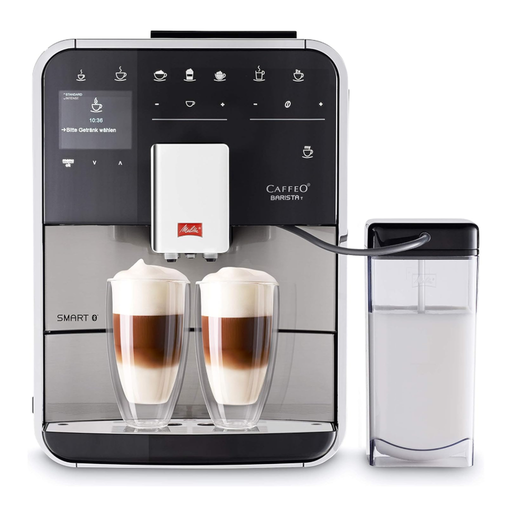
Why this product suits this profile: Two separate bean hoppers, four user profiles and app control make it suitable for households with different preferences or for a small office.
The automatic rinsing, cleaning and descaling functions help address the maintenance involved. Nevertheless, the milk system still requires the specified cleaning.
18 drinks, two milk drinks at the same time, 1.8-litre water tank and two bean chambers holding 135 grams each.
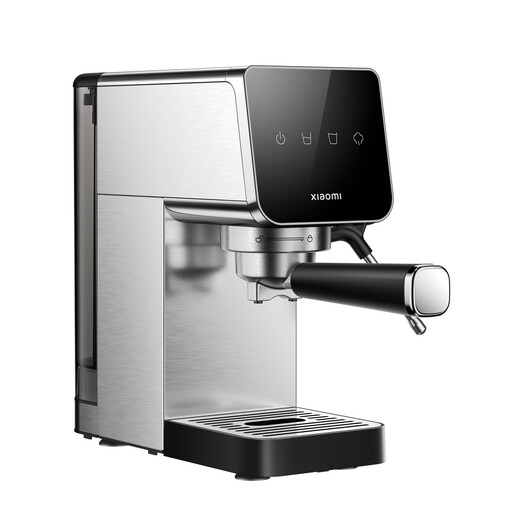
Why this product suits this profile: At just 14 cm wide, its slim design is suitable for small kitchens. Single- and double-shot functions, together with a steam wand, leave room for manual preparation.
Its reduced width keeps the space required to a minimum. As there is no integrated grinder, plan for a separate grinder or pre-ground coffee.
20-bar pump, NTC temperature control, pre-infusion function and 0.9-litre water tank.
We have put together a complete, regularly updated list of products that fully meet these strict selection criteria and the safety regulations applicable in the EU.
Lifespan depends on the type of machine, water quality, frequency of use and maintenance. Regular descaling, emptying the drip tray and cleaning the brewing unit or milk system can help keep the machine running smoothly. It is not possible to give a universal lifespan, as spare-parts availability and manufacturer requirements vary.
For minimal manual effort, a bean-to-cup coffee machine with a milk system or a coffee machine with an automatic milk frother is a good choice. If you want to control the milk texture yourself, you can choose an espresso coffee machine or portafilter machine with a steam wand. With both options, cleaning after preparation is an essential part of use.
In addition to electricity, coffee beans, capsules, milk, water filters, descaler and cleaning tablets all contribute to ongoing costs. A capsule machine may be compact and affordable to buy, while a bean-to-cup machine with a grinder requires additional care products and occasional maintenance. So do not compare only the purchase price – also consider the cost per drink and the daily cleaning required.